
When Your Brain's Hardware Needs an Upgrade
We've all been there – standing in a parking lot, frantically clicking our car remote, wondering where on earth we left our vehicle. Or that moment when someone mentions a movie you definitely watched, but your brain draws a complete blank. It's frustrating, but usually harmless.
But what happens when those little memory hiccups become something bigger? For millions of people dealing with Alzheimer's and other neurodegenerative diseases, forgetting isn't just inconvenient – it's heartbreaking.
Here's where things get exciting, though. Scientists at École Polytechnique Fédérale de Lausanne in Switzerland have pulled off something that sounds like science fiction: they've figured out how to make old brain cells young again.
The Memory Reset Button We've Been Waiting For
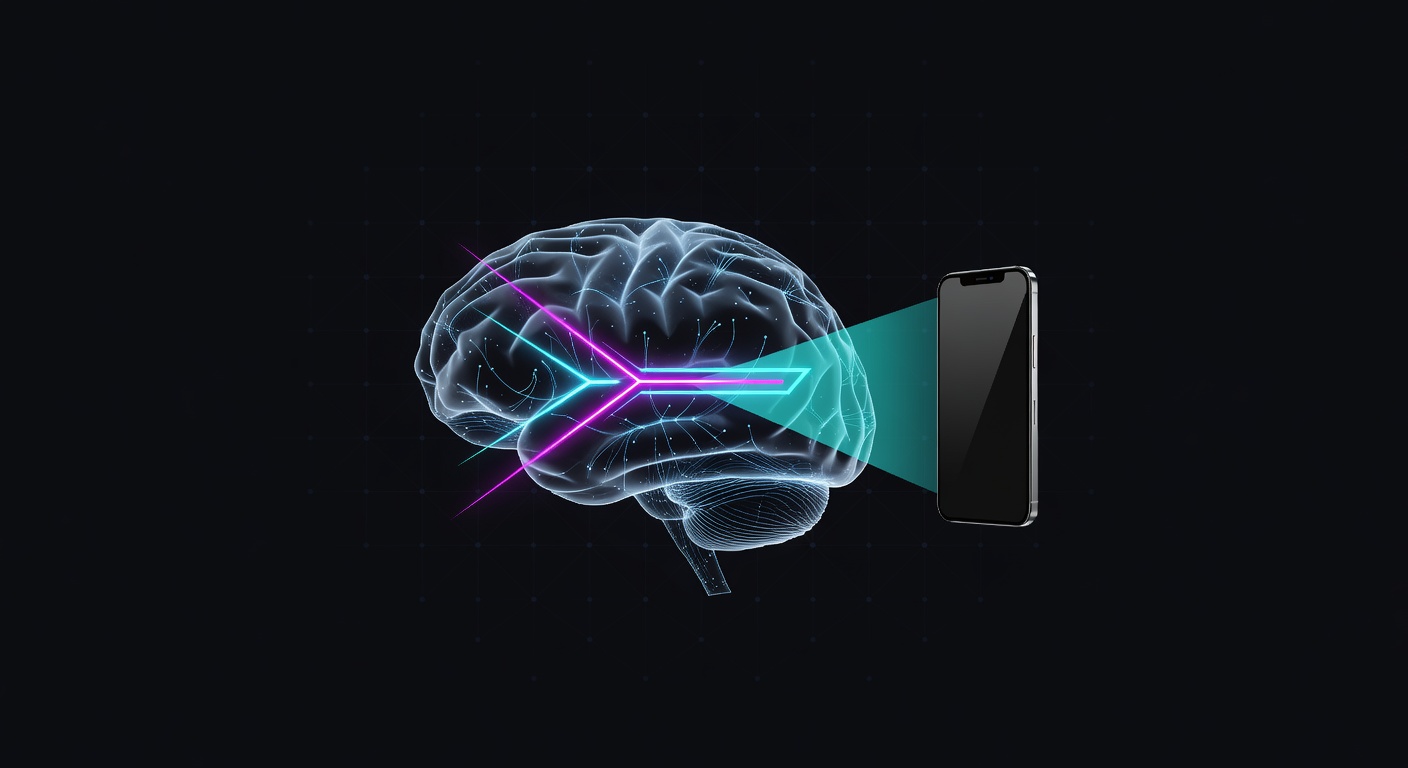
Think of your brain like a smartphone that's been running for years. Over time, it gets sluggish, apps crash more often, and it just doesn't work like it used to. The traditional approach to memory loss has been like trying to fix a phone by hitting it with a hammer – not very effective.
But these researchers took a completely different approach. Instead of trying to replace damaged neurons or flood the entire brain with treatments, they created what I like to think of as a "factory reset" for specific memory cells.
They focused on three genes with intimidating names (Oct4, Sox2, and Klf4 – scientists really need better marketing teams), but here's what matters: these genes can essentially reprogram cells to act younger. It's like finding the fountain of youth, but at the cellular level.
Precision Medicine Meets Memory Science
What makes this approach brilliant is its precision. Rather than carpet-bombing the entire brain with treatment, they targeted specific groups of neurons called engram cells – basically the little clusters of brain cells that hold your memories.
The researchers engineered a virus (don't worry, the good kind) that could flip these cellular switches in quick, controlled bursts. It's like having a really sophisticated remote control for your neurons.
When they tested this on mice, the results were genuinely mind-blowing. The treated mice didn't just get better at making new memories – they actually recovered old ones that seemed to be lost forever.
What This Could Mean for Us
I'll be honest – whenever I read about breakthrough studies in mice, part of me thinks, "Great, another cure that works perfectly in the lab but never makes it to humans." But there's something different about this research that has me genuinely optimistic.
The lead researcher put it perfectly: "The memory itself isn't deleted; instead, the 'hardware' holding that memory is refurbished." It's not about growing new brain cells or performing invasive procedures. It's about helping the cells you already have remember how to be young and flexible again.
This represents a fundamental shift in how we think about cognitive decline. Instead of seeing it as irreversible damage, we might be looking at it more like a software problem that can be fixed with the right update.
The Road Ahead
Now, let's pump the brakes a little. We're still talking about mouse studies here, and the journey from lab bench to bedside is long and complicated. But the principle behind this work – that aging brain cells can be rejuvenated rather than replaced – opens up possibilities we've never had before.
For the millions of families watching loved ones slip away due to memory loss, this research offers something precious: hope. Not false hope, but scientifically grounded optimism that maybe, just maybe, we're on the verge of changing everything we thought we knew about memory, aging, and the brain.
The future might hold a world where forgetting doesn't have to be forever. And honestly? That future can't come soon enough.