
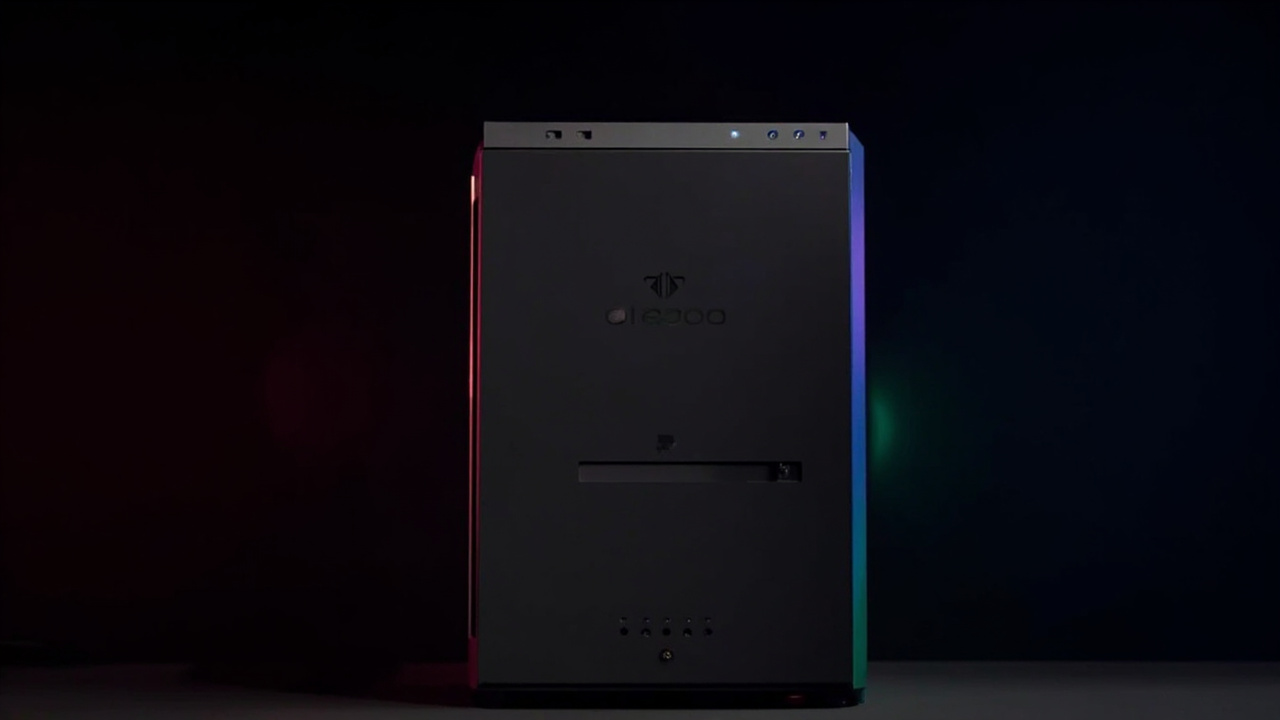
Let me tell you something that frustrated a lot of 3D printing enthusiasts (myself included). When Elegoo dropped the original Centauri Carbon in early 2025, it was a game-changer. An enclosed 3D printer under $300? Say less. The community went wild.
But here's the thing — it could only print one color. One. Color.
Now, I'm not saying that's a dealbreaker. For many folks, that's totally fine. But for anyone who wanted to get a little creative, who wanted to print multicolor models or use different materials in one print? We were left wanting.
The Promise That Took Forever
Elegoo essentially said, "Don't worry, a multifilament upgrade is coming in a few months." And we waited. And waited. Months passed. Then more months. At some point, I think we all just assumed it was never happening.
Then — boom — early 2026, Elegoo finally delivered. But in a slightly confusing twist, they announced both a "Canvas" upgrade for the original printer AND a whole new model called the Centauri Carbon 2. Which, by the way, also only does single filament out of the box. So if you want multicolor printing, you're buying that Canvas upgrade either way.
Talk about making us work for it, right?
So What's Actually New?
I spent way too long playing with both versions to figure out the real differences, and here's the honest answer: the Carbon 2 isn't some revolutionary redesign. It's more like the original got a really nice tune-up.
The big stuff? The new plastic dome enclosure over the filament tubes is genuinely better at keeping fumes and noise contained. The smart grille that automatically vents or recycles air based on what you're printing? Game-changer for switching between materials. No more manual tweaking every time you want to print something that needs different temperatures.
And that hardened steel nozzle? Finally, printing ABS and ASA is actually doable without fighting the printer the whole time. These materials are popular for a reason — they're durable — but the original Carbon struggled with them.
The Canvas module itself adds RFID detection, which is a small but welcome touch. Your printer can now recognize compatible filaments automatically. It's the kind of thing that sounds trivial until you're not manually entering settings every single time.
Here's My Honest Take
If you already own the original Centauri Carbon: you're probably fine waiting for the Canvas upgrade to become available. The Carbon 2 improvements are nice, but they're not "replace your perfectly good printer" nice. Save your money, add the multifilament capability, and you're set.
If you're buying new and trying to decide: the Carbon 2 is worth the extra $50. The automated venting alone makes it easier to experiment with different materials, and the hardened nozzle opens up possibilities that the original simply can't handle well.
If you're a complete beginner: either one is fantastic for the price. The original Carbon still holds up incredibly well, and Elegoo has built something genuinely special in this lineup.
The one thing I'd still watch out for? Humidity. Both printers leave the filament spool exposed to air. If you're printing somewhere damp (I feel that Ohio basement energy), keep some silica packets handy. Neither model has moisture detection, so you'll need to keep an eye on your prints for that telltale stringy mess that means your filament needs drying.
But honestly? After all that waiting, Elegoo delivered something worth the hype. The Centauri Carbon lineup is still the best entry point into enclosed 3D printing under $500, and now it's finally living up to its full potential.