
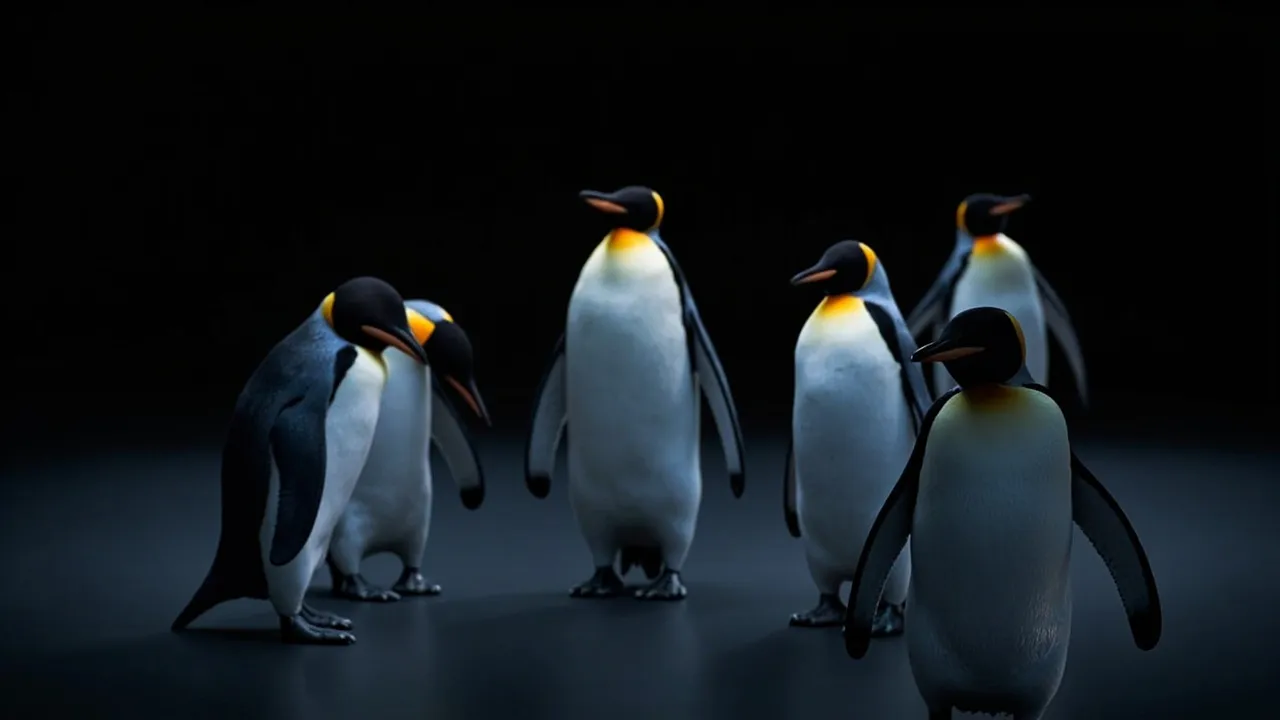
I have a confession: I've never been great at telling penguins apart. To my untrained eye, most of them just look like adorable tuxedo-wearing blobs waddling around on ice. But here's the thing — scientists were basically doing the same thing until recently. We were lumping four completely distinct penguin species together and calling them all "gentoo penguins." Oops.
An international team of researchers just published findings that completely shake up how we understand these birds. Using genetic analysis and whole-genome sequencing of 64 penguins from 10 different colonies, they've confirmed that what we thought was one widespread gentoo species is actually four separate species. And one of them — living on the remote Kerguelen Islands, about 2,000 miles from anywhere — has never been formally recognized before. This is the first new penguin species identified in over a century.
What makes this discovery so wild is that these penguins look almost identical. I mean, we're talking subtle differences in body size and calls, but nothing that would make you stop and say "hey, that's a completely different animal!" Scientists have a term for this: cryptic species. It's like finding out your neighbor who looks exactly like you is secretly from another planet. Same face, completely different DNA.
The newly recognized southeastern gentoo penguin (now officially called Pygoscelis kerguelensis) joins three other newly elevated species, including the southern gentoo that lives in Antarctica proper. But here's where the story gets a little concerning.
Climate change is reshaping their world in ways that could put some of these species at serious risk. The sub-Antarctic islands where most of them live are particularly vulnerable. One researcher, Juliana Vianna from Chile, emphasized how important it is for conservation groups across different countries to recognize these are separate species requiring specific protection plans. We're not just protecting one type of gentoo anymore — we're potentially trying to save three different species with different needs and vulnerabilities.
On the bright side, the Antarctic-dwelling southern gentoo might actually fare relatively well, and could even expand its range as conditions change. But other penguin species in Antarctica? Not so lucky.
What I love about this story is that it shows how much we still don't know about our own planet. We can send robots to Mars, but we're only just figuring out how many penguin species exist on Earth. The researchers spent nearly a decade on this work, collaborating with penguin specialists from around the world to build genetic data from nearly the entire geographic range of these birds.
The takeaway? The natural world is even more diverse and complex than we realized. Sometimes the most surprising discoveries aren't about finding something completely new — they're about realizing that things we thought we understood have been hiding their true identities all along.
And next time I see a penguin, I'm definitely not going to assume I know what species it is.