
Blog post with markdown formatting
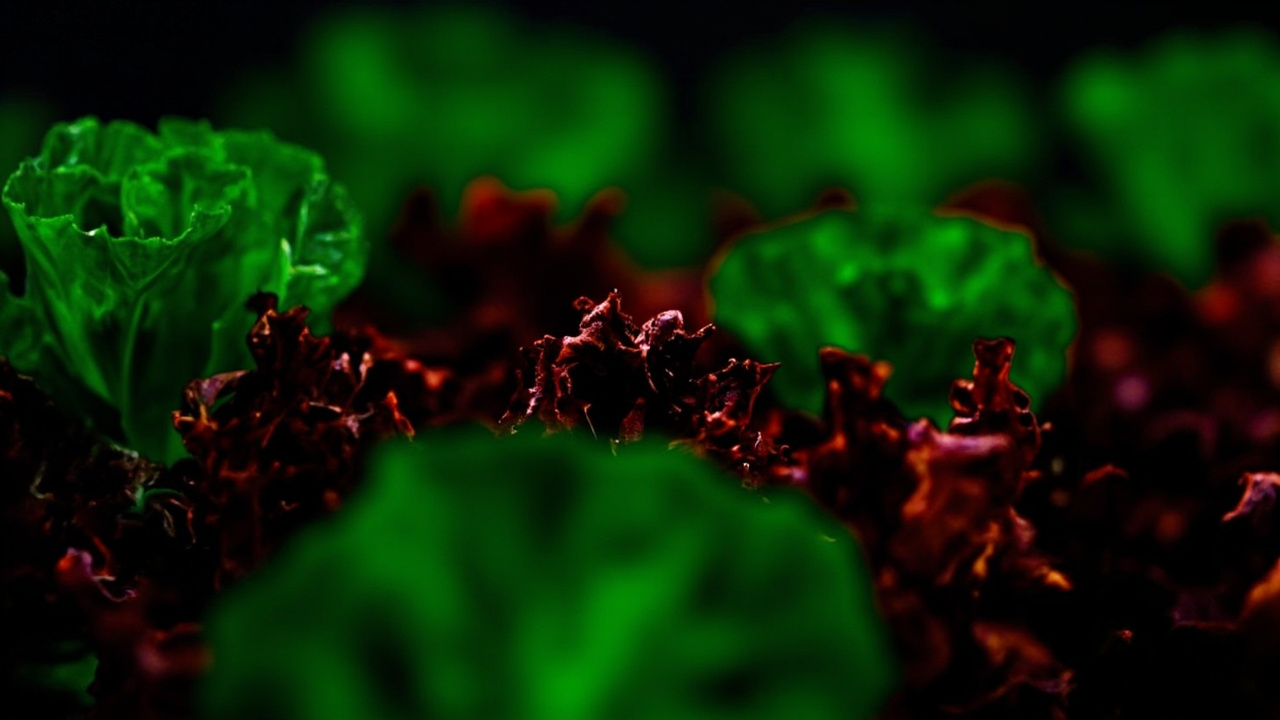
Okay, I have to admit — when I first heard about this study, I had to read it twice. Scientists took red lettuce (you know, that pretty stuff with the burgundy edges that looks gorgeous in a salad) and basically turned it green. And here's the thing: the lettuce didn't just survive, it actually got better for us.
What's the Deal with Red Lettuce Anyway?
Let me back up for a second. That reddish-purple color in red leaf lettuce isn't just for looks — it comes from compounds called anthocyanins. You've probably heard of antioxidants? Anthocyanins are one of the big ones. They're what give blueberries their color, and they're apparently pretty good for us too.
Here's the science-y part: plants make anthocyanins through this whole biochemical chain reaction that starts with an amino acid called phenylalanine. Think of it like a factory assembly line — lots of steps, lots of different products getting made along the way.
The Gene Editing Experiment
So these researchers basically said, "What if we shut down the part of the factory that makes the red stuff?"
They used CRISPR (you know, the famous gene-editing tool) to switch off one specific gene. This gene was responsible for producing an enzyme that sits right at the critical step where anthocyanins are formed. Flip that switch off, and boom — no more red color.
But here's where it gets interesting.
The Surprise Twist
The lettuce lost its pretty red color, sure. But when the scientists took a closer look at what was going on inside the plant, they found something unexpected: other beneficial compounds had actually increased. Specifically, things like quercetin (another powerful flavonoid) were present in higher amounts.
What happened? By blocking the anthocyanin "exit ramp," the plant's biochemical machinery kept churning out the precursor compounds instead. Those building blocks got redirected and accumulated in the leaves. The plant basically rerouted its energy into making different (but still awesome) health-promoting compounds.
The Best Part: The Lettuce Stayed Healthy
Now here's what really impressed me: despite all these chemical changes, the modified lettuce grew normally. No slowdown, no stunted plants, no sad little wilted leaves. The researchers found "no meaningful reduction in growth."
This is kind of a big deal. It suggests that we might be able to fine-tune the nutritional profile of vegetables by nudging their internal chemistry in specific directions — without sacrificing yield or plant health.
Why This Matters for Indoor Farming
The researchers also pointed out something practical: flavonoid production is super sensitive to environmental factors like light and temperature. Since indoor vertical farms and plant factories can control these variables precisely, this kind of targeted gene editing could help us grow lettuce varieties that are specifically optimized for indoor growing — varieties with customized nutritional profiles.
Imagine walking into a grocery store and picking up lettuce that's been "programmed" to have higher levels of whatever compound you're looking for. Maybe you want more quercetin for its anti-inflammatory properties. Maybe someone else needs something different. This research suggests we might be heading toward that kind of customization.
My Take
I love studies like this because they show us that there's still so much we don't know about the plants we eat every single day. We tend to think of nutrition as pretty fixed — an apple has these nutrients, a carrot has those. But this research reminds us that the biochemical world inside a leaf of lettuce is incredibly dynamic and responsive.
The idea that we can redirect a plant's energy toward different beneficial compounds without hurting its growth is genuinely exciting. It's not about creating frankenfoods or anything scary like that — it's about understanding the machinery already inside our food and learning how to gently adjust the dials.
Who knew that making red lettuce green could open up so many possibilities? Sometimes the most surprising discoveries come from asking simple questions — like "what happens if we flip this one switch?"