
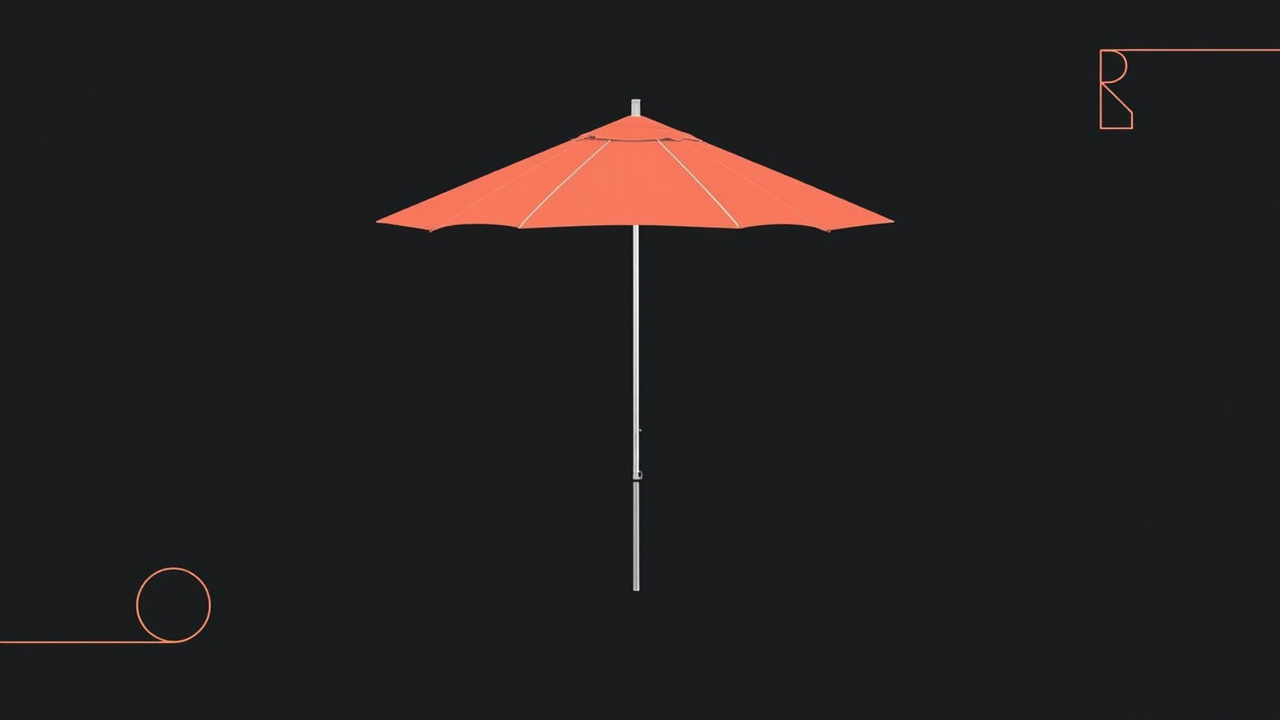
The Great Patio Umbrella Mystery
Here's the thing about patio umbrellas that nobody talks about: they're deceptively complicated. You'd think it's just fabric stretched over a stick, right? Wrong. There's SO much going on beneath the surface that determines whether your umbrella becomes your favorite outdoor companion or an expensive eyesore collecting dust in the garage.
I've always been the person who buys the cheapest option, crosses my fingers, and hopes for the best. Spoiler alert: it doesn't work. But here's the good news—you don't need to be an umbrella expert to make a smart choice. You just need to understand what actually matters.
The Budget Sweet Spot Actually Exists
Let me start with the budget-friendly options because, honestly, some of them are genuinely great.
There are solid umbrellas out there that won't completely drain your wallet. The key is looking beyond the price tag to what's actually included. Thicker polyester fabric, reinforced stitching, and a sturdy steel frame—these are the things that separate a bargain from actual value.
The hand crank mechanism is more important than you'd think. A smooth-operating crank makes opening and closing your umbrella feel like butter instead of wrestling with something stuck. And those little details? They matter every single time you use it.
One thing I discovered: many affordable models skip the base entirely. You've got to budget extra for that, which kind of ruins the "budget" label. Just be honest with yourself about the real total cost before you buy.
Here's Where You Actually Get What You Pay For
Now, let's talk about the premium options. Because sometimes, splurging makes sense.
If you're willing to spend more, you unlock some genuinely cool features. We're talking about canopies made from Sunbrella—which is basically the luxury car brand of umbrella fabric. It lasts longer, resists fading like a champ, and actually provides the UV protection it promises.
Wooden frames (teak, specifically) are gorgeous and premium-feeling in a way that metal just isn't. They give your patio that elevated, thoughtful look. The trade-off? They typically don't tilt. So if you want to follow the sun throughout the day, you might be stuck with a metal frame instead.
The color selection alone can be mind-blowing at the premium level. We're talking 70+ options. That might sound excessive, but it actually matters when you're trying to match your outdoor aesthetic. Nobody wants an umbrella that clashes with their entire vibe.
The Cantilever Game-Changer
Let me introduce you to the umbrella style that actually changed my perspective: cantilever umbrellas.
The genius here is the sideways design. Instead of the pole being in the middle, it's offset, which means you get shade directly where you're sitting without a pole taking up real estate in your face. It's a small thing that turns out to be huge when you're actually using it.
The weighted base (often on wheels!) is a game changer for flexibility. Fill it with water or sand, and you've got stability without needing to bolt anything into concrete. You can literally move it around as the sun shifts throughout the day.
At 12 feet in diameter, you're getting serious coverage. We're talking enough shade for actual furniture, not just a tiny circle underneath it.
The Details That Separate Good From Great
Here's what I've learned separates umbrellas that people actually use from the ones gathering dust:
The tilt mechanism. Push-button is infinitely better than having to manually angle the entire umbrella. That satisfying click when it locks into place? That's not just nice—it's proof the umbrella is actually positioned where you want it.
Washable canopies. This blew my mind. Some umbrellas let you throw the fabric in the washing machine. That's the kind of feature that extends the life of your umbrella by years.
Rust-resistant materials matter. Whether it's powder-coated steel or anodized aluminum, the frame needs to laugh in the face of weather. A frame that starts deteriorating in year two is basically money you lit on fire.
Thick fabric isn't just about durability. It actually looks better and lasts longer. When manufacturers cheap out on fabric weight, you can tell immediately. It looks flimsy, and it behaves flimsy too.
The Honest Tradeoffs
Nothing's perfect, and I want to be real about it.
That affordable umbrella with great value? You're probably buying a base separately, which adds to the cost. The premium wooden frame option? Stunning, but it won't tilt. The cantilever with wheels? Absolutely worth it, but setup takes more effort because it's heavier.
There's also the quirky stuff. Some umbrellas come with festive designs (yes, tiki-themed ones exist, and apparently they're more well-made than you'd expect). They're not for everyone, but they definitely make a statement.
The bottom line: there's no single "perfect" umbrella. It depends on your space, your budget, and what actually matters to you. Do you need mobility? Go cantilever. Want maximum shade with minimal fuss? Get a sturdy round umbrella with a crank. Trying to keep costs down? Budget models work fine if you buy them strategically.
Real Talk
Buying a patio umbrella isn't as boring as it sounds, and it matters more than you probably think. This is something you'll use dozens of times per season. You'll either love it or resent it every single time you step outside.
Take five minutes to think about what you actually need. Then stop overthinking it and grab something with solid bones, decent fabric, and honest reviews. Your summer self will thank you.