
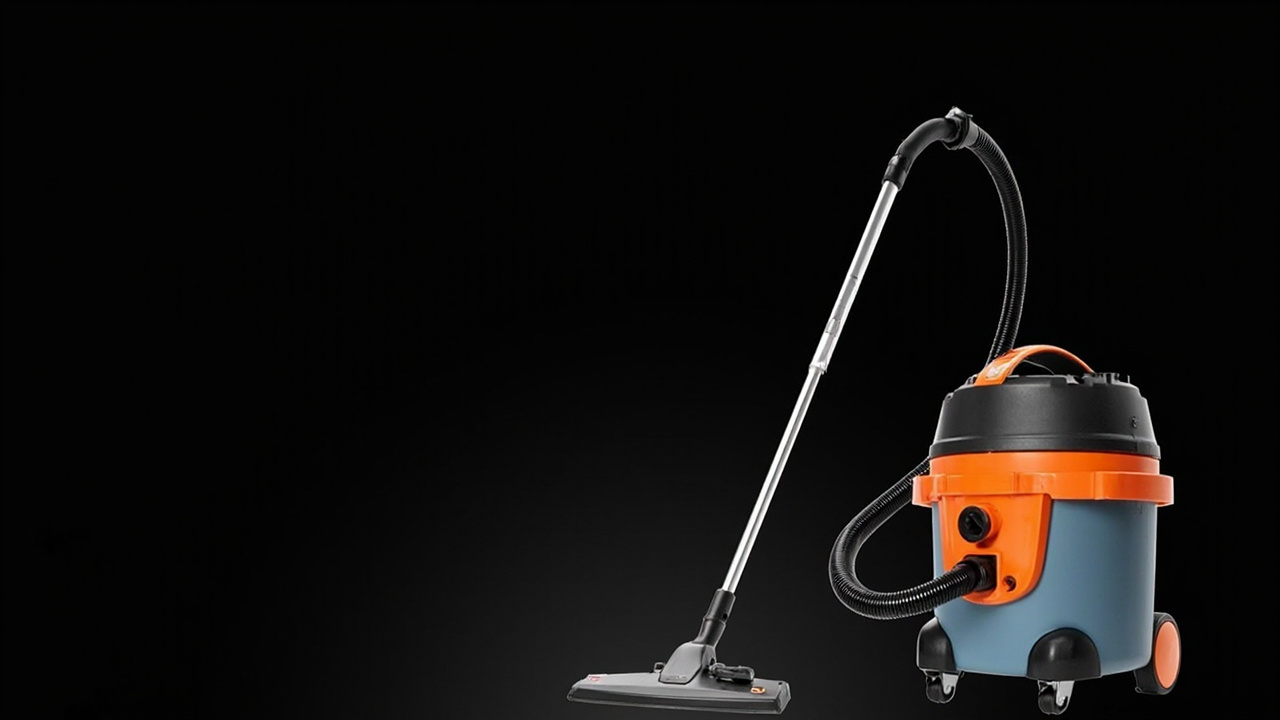
The Shop Vac Problem Nobody Talks About
Here's the thing about shop vacs: they're unsexy, they're loud, and honestly, most of us don't really think about them until we've got sawdust everywhere or accidentally spilled something in the workshop. Then suddenly you're frantically Googling "best shop vac" at 10 PM on a Sunday.
The problem is that the "best" shop vac really depends on what you're actually doing. Are you a casual DIYer cleaning up your garage twice a year? Are you running a woodworking hobby that generates constant debris? Are you working on job sites where you need something bulletproof? These aren't trivial differences—they'll completely change what you should buy.
Let me walk you through what matters and which models actually deliver.
Size Matters, But Maybe Not How You Think
Most people assume bigger is always better. More gallon capacity equals more cleaning power, right? Not exactly.
There's this sweet spot that a lot of people miss. A compact 5-gallon vac with serious suction can actually outperform a bulky 12-gallon monster in many real-world situations. The Vacmaster Beast series is the perfect example—it's got a 5.5-horsepower motor packed into something you can actually carry with one hand. The footprint is tiny (roughly the size of a small desk), so it fits in a corner without taking over your entire garage.
But here's the catch: that compact size means you'll fill it faster if you're working on bigger projects. It's a tradeoff. If you're mostly doing light cleanup and occasional projects, this is perfect. If you're running a full-time woodshop, you'll want more capacity.
The Budget Option That Doesn't Suck (Literally)
Look, I get it. Not everyone wants to drop serious cash on a shop vac. Sometimes you just need something that works and doesn't cost half your monthly car payment.
Stanley makes a 6-gallon wet/dry vac that punches way above its price point. It's not going to blow your mind with speed (took about 21 seconds on a sawdust test), but it'll get the job done reliably. The real win here is that it's light, has swivel wheels, and comes with decent accessories including a crevice tool that actually fits into tight spaces. For a home garage or casual DIYer, this is genuinely smart spending.
The one complaint? The power cord is only 10 feet, so you might need an extension to reach all corners of a two-car garage. That's a minor annoyance, but it's worth knowing upfront.
When You Need the Nuclear Option
Then there's the other end of the spectrum. Some situations demand raw power and capacity—think job sites, renovation projects, or if you're constantly generating debris.
The DeWalt Stealthsonic is basically the Ferrari of shop vacs. It's 12 gallons, incredibly powerful, and actually quiet compared to other models in its class (which matters if you value your eardrums). During testing, it absolutely demolished competition—clearing sawdust in 16 seconds and draining water buckets in five seconds flat. The 20-foot power cord means you can reach an entire two-car garage without hunting for an extension.
The trade-off? It's big. Like, actually big. And while that 2.5-inch diameter hose is great for quickly sucking up debris, it struggles with heavier objects like screws and bolts. Also, it's not ideal for tight spaces inside cars or between shelving.
This is a "you know what you're getting" kind of purchase. If you need speed and capacity over precision, this is your machine.
The Newcomer Worth Your Attention
Ridgid has a 12-gallon model that's new to the conversation, and honestly, it deserves respect. The company has a solid reputation for durability, and this model delivers.
It's tough—like, you-can-step-on-the-hose-and-it'll-be-fine tough. The tub is thick plastic, the hose has a locking system so attachments don't randomly fall off during use, and it completed the same water and sawdust tests in comparable time to the DeWalt. The 7-foot hose is long enough that you're not constantly moving the base around your workspace.
The downside (and this matters if you're detail-oriented) is that it has the same weakness as other large-hose models—it struggles picking up heavier fasteners. It's also more expensive than budget options but more affordable than the premium DeWalt.
What Actually Matters When You're Buying
Forget the spec sheets for a second. Here's what I'd think about:
How much space do you have? If you're in a small garage or workshop, don't get seduced by 12-gallon capacity. You'll hate squeezing around it.
What are you actually cleaning? Fine dust and water spills play by different rules than bolts and screws. Small-hose models have better suction for heavier items.
How often will you use it? If it's occasional, save money. If it's constant, invest in something reliable that won't burn out.
Does cord length matter? This is surprisingly important. A short cord means constant extension cord hunting. The best models include 18-20 foot cords.
The Bottom Line
There's no single "best" shop vac because the best one is the one that actually fits your life. The Vacmaster is perfect if you want compact power for casual use. The Stanley makes sense if you're budget-conscious and don't need constant heavy-duty performance. The DeWalt or Ridgid models earn their price tag if you're running bigger projects and need something that can handle it all day.
The real secret? Stop thinking of a shop vac as a one-time purchase. Think of it as an investment that should match what you're actually going to do in your workshop. Get that right, and you'll stop resenting cleanup day and actually use your tools more.
Your garage will thank you.