
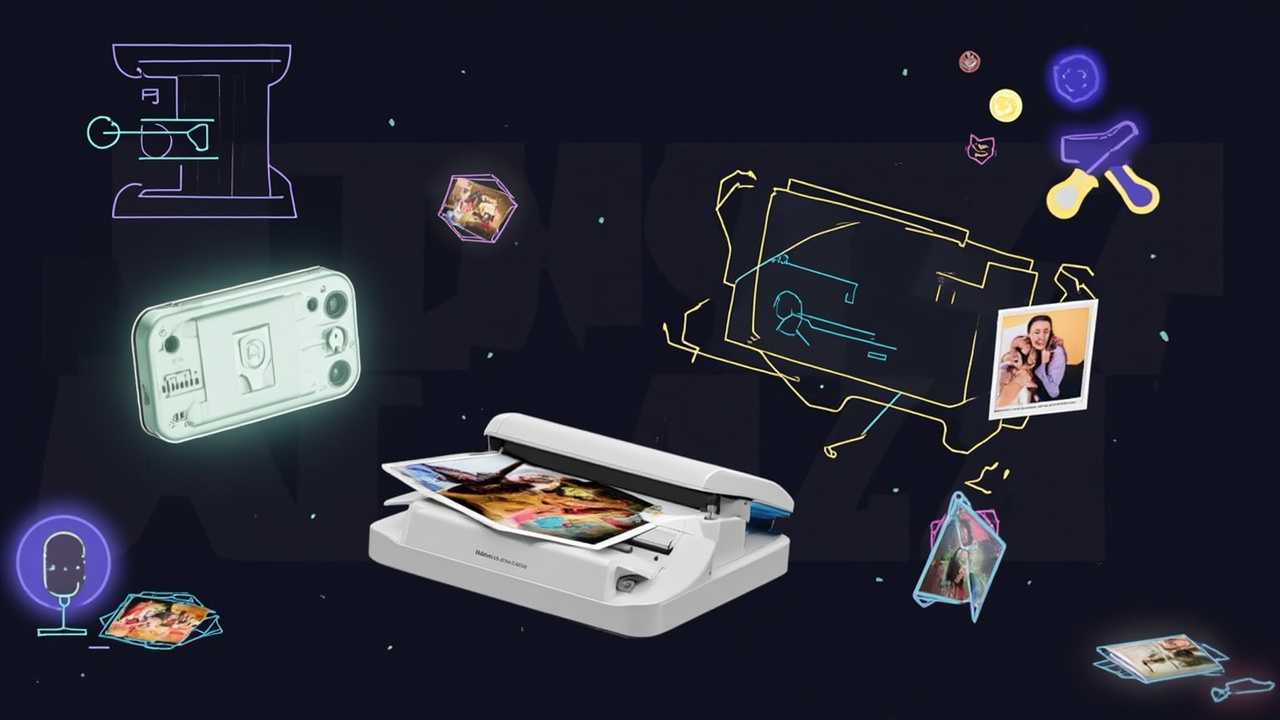
The Great Photo Archive Problem
You know that moment when you're rummaging through boxes and suddenly find an entire shoebox of photos from 2005? Yeah, that feeling is bittersweet. Amazing memories, sure. But also... now what? They're taking up space, they're vulnerable to fading and damage, and honestly, when was the last time you actually looked at a physical photo instead of scrolling through your phone?
This is why a good photo scanner is worth its weight in gold. But here's the thing—not all scanners are created equal, and buying the wrong one can turn "fun trip down memory lane" into "tedious task I abandon halfway through."
Why Speed Actually Matters
Let me be honest with you: if your scanner moves slower than molasses, you're probably not going to use it. I know I wouldn't. The best photo scanners these days can churn through dozens of photos per minute, which means you can digitize an entire shoebox in an afternoon instead of spending weeks on it.
The real game-changer is batch scanning. This means you don't have to feed in each photo one at a time like you're operating some ancient machine. Instead, you load up a stack, grab a coffee, and let the scanner do its thing while you catch up on emails.
The Software Magic You Didn't Know You Needed
Here's what surprised me when looking into modern scanners: the software built into them is genuinely impressive. We're talking automatic red-eye removal, color restoration for those faded Polaroids, straightening crooked images, and even detecting whether you're scanning a photo or a document and automatically saving it in the right format.
This matters because not everyone considers themselves a "photo editor." If you're the type of person who wants to digitize photos without spending three hours learning Photoshop, having the scanner do the heavy lifting is a huge relief.
The Forgotten Feature: Two-Sided Scanning
Here's something I never thought about until recently: older photos often have stuff written on the back. Dates, names, notes from your grandma—those little details make photos actually meaningful instead of just being pretty pictures.
A really good scanner can actually scan both sides in one pass, then automatically keep them paired together in your files. It doesn't slow things down either. That's the kind of thoughtfulness that separates a "meh" scanner from one you'll actually be excited to use.
Size Flexibility (Within Reason)
Different photos have different dimensions. Your old Polaroids aren't the same size as your 8x10 family portraits, and good lord, don't get me started on those weird panoramic shots everyone took in the 90s.
A quality scanner should handle the whole range without you having to fiddle with settings or invest in multiple devices. One machine, one investment, unlimited photo sizes.
The One Thing Most Scanners Can't Do
If you've got old negatives or film slides hanging around, here's the reality check: most modern photo scanners can't handle them. You'll need to either take those to a professional lab (yeah, that can get pricey) or look for a specialized film scanner. Not ideal, but it's good to know upfront rather than buying a scanner and then discovering this limitation.
Mobile Connectivity: Nice to Have or Essential?
Some scanners can upload directly to cloud services like Dropbox or Google Drive. Others make you physically connect them to a computer with a cable. If you're the type who likes everything wireless and seamless, that matters. If you don't mind a USB cable, you'll save some money and probably don't lose any real functionality.
The Real Talk on Cost
Here's the beautiful part: you don't need to spend a fortune. You can get a solid, feature-rich photo scanner for under $100 these days. That's genuinely reasonable considering how much those old photos mean to you and how long you've been procrastinating on this project.
Just Pick One Already
The truth is, the "perfect" scanner depends entirely on your specific situation. If you've got mountains of photos and want it done quickly, prioritize speed and batch scanning. If you've got more modest amounts and you want the absolute best image quality, you might lean toward higher resolution options.
But honestly? The best scanner is the one you'll actually use. And you know what? Any of the modern options we're talking about will absolutely get the job done. Stop overthinking it, pick one, plug it in, and finally digitize those memories before they fade into obscurity—both literally and figuratively.
Your future self will thank you when you're able to quickly pull up that one hilarious photo from 1997 to show your kids what an absolute goofball you used to be.