
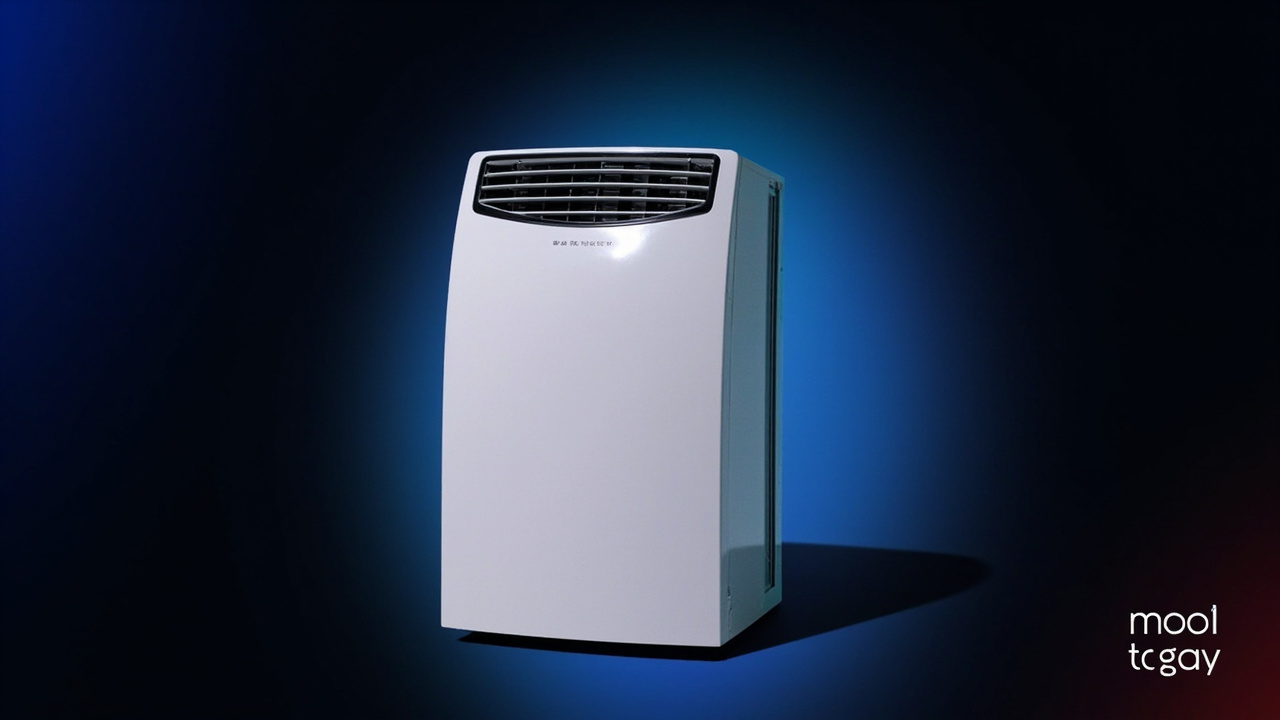
The Portable AC Dilemma Nobody Talks About
You know that moment when summer hits and your apartment turns into an Easy-Bake Oven? Yeah, I've been there. And if you're renting or don't have central air, the portable AC aisle at your local appliance store is basically a minefield. They all look the same. They all promise "quick cooling." But spoiler alert: they're really not all created equal.
After spending way too much time cranking up different units and sticking my hand in front of vents like some kind of weird appliance scientist, I've figured out what actually separates the winners from the duds.
Speed Matters More Than You'd Think
Here's the thing that surprised me most—how much the speed of cooling actually affects your experience. One unit I tested had me feeling a blast of cold air within minutes. I'm talking genuinely noticeable temperature drop in a small-to-medium room in less time than it takes to make coffee.
Compare that to some other options that take forever to get going, and you start to realize why you'd pay a bit more for something that actually works fast. Nobody wants to sit around waiting for their AC to decide it's cool enough.
The Quiet Revolution (Yes, Really)
I'll be honest—I never thought I'd get excited about how quiet an AC unit runs. But then I tested one that operates at 42 decibels on its quietest setting. That's basically a whisper.
If you're planning to run this thing overnight or in a bedroom, this matters so much more than you'd expect. The difference between a unit that sounds like a jet engine and one you barely notice is the difference between actually sleeping and lying awake at 3 AM contemplating the universe.
Budget-Friendly Options That Don't Suck
So here's the good news: you don't need to drop $600+ to get decent cooling. There are solid options in the $300-400 range that punch way above their weight class. We're talking about units with serious cooling power that surprised me during testing—they worked almost as well as the expensive stuff.
The catch? Nothing's free. Cheaper units might have fewer fancy features or slightly less power, but if you're in a small-to-medium room, you might not actually care.
The Heavy Hitters (Literally)
Then there are the tanks. These are for people who need serious cooling power—think large spaces or seriously humid climates. One unit I tested weighs over 70 pounds and can suck up to 71 pints of moisture from the air daily. It's basically a dehumidifier and AC rolled into one bruiser.
Sure, you're not moving this thing from room to room casually. But if you need genuine industrial-strength cooling, the trade-off is worth it.
Smart Features That Actually Make Sense
Modern portable ACs come with all kinds of bells and whistles. Some have apps, some have remotes, some have auto-adjusting louvers that move air around your room more effectively.
Here's my take: the features that actually matter are the ones that solve real problems. Auto louvers? Game-changer for apartments where hot air gets trapped near the ceiling. A quiet mode? Essential if you sleep light. A decent physical remote with an attached magnet so it doesn't disappear into the couch cushions? Chef's kiss.
The stuff that's just there to sound fancy? Skip it.
Setup Should Be Stupid Easy
One thing that impressed me across the board is that these aren't complicated to set up. Most come almost fully assembled. You're literally just connecting a hose to the window, plugging it in, and you're done.
Some units take literally five minutes from "I'm pulling this out of the box" to "why is my room so cold." If setup takes you an hour, something's wrong.
The Bottom Line
Picking a portable AC isn't as complicated as it seems. Figure out your budget, think about your room size, and decide what actually matters to you—speed, quiet operation, smart features, or raw power.
Then stop overthinking it and get something that actually works instead of just sounds good on paper.