
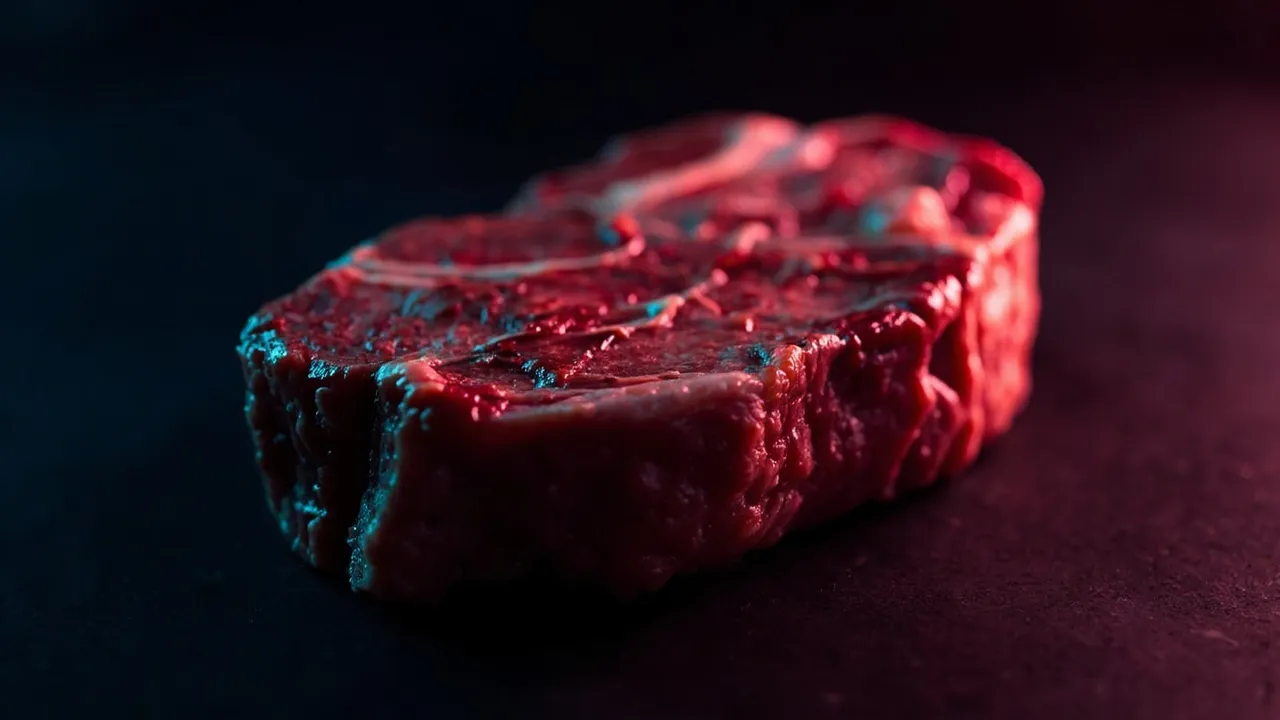
So here's something that might make you do a double-take at your next barbecue: scientists have found a sugar in red meat that could be making you more likely to develop type 2 diabetes.
I'm not talking about the sugar you'd sprinkle on your morning cereal. This is something called Neu5Gc, and it's produced naturally in animals like cows and sheep. Here's the weird part — humans can't actually make this stuff. We lost that ability millions of years ago due to a genetic mutation.
And yet, when we eat red meat, this sugar sneaks into our bodies and settles into our tissues.
The 63% Number That Made Scientists Pay Attention
A large study following nearly 90,000 adults in France found something striking. People who ate the most meat containing this sugar had a 63% higher risk of developing type 2 diabetes compared to those who ate the least. That's a big number.
The researchers tracked participants for over seven years, keeping an eye on who developed diabetes and looking at what they ate. They calculated how much Neu5Gc each person was likely consuming based on their diet, then compared the groups.
Now, I should mention that this research was presented at a conference rather than published in a peer-reviewed journal yet, so it's considered preliminary. But it's still worth understanding because the science behind it is genuinely fascinating.
Why Would a Sugar Cause Diabetes?
Here's where things get interesting from an immune system standpoint.
Since our bodies don't naturally produce Neu5Gc, our immune system basically treats it like an uninvited guest. When we eat red meat, our bodies recognize this foreign sugar and mount an immune response against it. This means we produce antibodies — the same kinds of defenders that fight off infections.
The problem? This immune attack doesn't stop. It keeps going, over and over, every time we eat red meat containing this sugar. Scientists call this chronic inflammation, and it's the same kind of low-grade immune system drama that's been linked to heart disease and even some cancers.
Researchers now suspect this persistent inflammation might also contribute to type 2 diabetes. It's like your immune system is constantly fighting a tiny war in your body, and that constant warfare might be disrupting how your cells handle insulin.
Does This Mean We Should All Become Vegetarians?
Hold on — let's not go overboard (pun intended).
The researchers themselves noted that the connection got a bit weaker when they accounted for body weight, which suggests that obesity and other factors still matter a lot too. Neu5Gc isn't the only reason red meat has been linked to health problems.
Think of it this way: if you enjoy a burger or steak occasionally, this doesn't mean you're doomed. The study looked at people consuming the most of this sugar over many years. Everything in nutrition tends to be about patterns and amounts, not single meals.
That said, this research does give us another reason to be thoughtful about how much red meat we're eating. The researchers noted that diabetes risk generally climbed higher with greater consumption of meat-derived Neu5Gc — it wasn't just the extreme high consumers who showed increased risk.
What Would Happen If Humans Could Just Make This Sugar?
Here's a quirky thought experiment: since most animals can produce Neu5Gc but we can't, maybe our bodies never evolved to handle regular exposure to it. Our distant ancestors probably didn't eat nearly as much beef and lamb as modern humans do.
It's a reminder that evolution works slowly, and our modern diets sometimes throw curveballs our bodies aren't quite prepared for.
The Bottom Line
This research gives us a new piece of the puzzle for understanding why red meat consumption has been linked to diabetes. It seems that beyond saturated fats and other well-known factors, there's also this immune-system trigger hiding in beef and lamb.
I'm not about to tell you to never eat steak again — I enjoy a good burger as much as anyone. But if you're looking for reasons to mix up your protein sources, this is one more thing to add to the list. Maybe try fish one night, or chicken, or plant-based options.
Our bodies are complicated, and nutrition science keeps uncovering new layers. The more we understand, the better we can make choices that actually fit our lives.
Source: ScienceDaily