
The AI Arms Race Is Already Here (And It's Not What You Think)
You know that feeling when you're arguing about whether to order pizza while your friend has already called three different places? That's basically what's happening in the AI world right now, except instead of dinner, we're talking about the future of warfare.
The Great AI Ethics Debate vs. Reality
Big tech companies like Anthropic are having very public, very philosophical discussions about whether their AI models should be used for military purposes. It's the kind of high-minded debate that makes for great conference panels and thoughtful blog posts.
Meanwhile, companies you've probably never heard of—like Smack Technologies—are just... building the stuff.
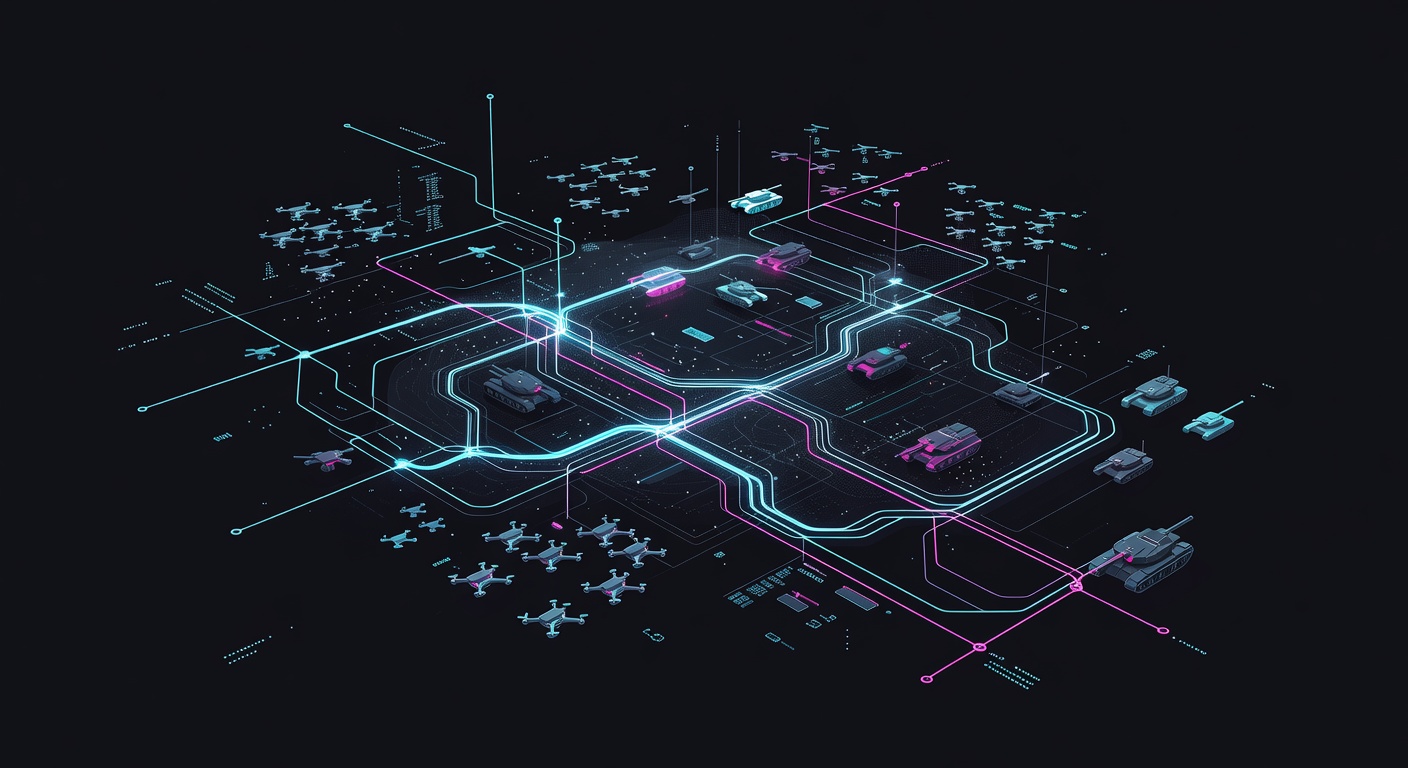
While everyone else is debating the "should we," these folks have moved on to "how fast can we?" They're training AI models specifically designed to plan battlefield operations. Not theoretical ones. Real ones.
What Military AI Actually Looks Like
Here's the thing that surprised me: military AI isn't some sci-fi terminator situation (at least not yet). It's more like having an incredibly smart logistics coordinator who never sleeps and can process thousands of variables simultaneously.
Think about what goes into planning a military operation. You need to consider:
- Weather patterns
- Supply lines
- Enemy movements
- Terrain advantages
- Equipment availability
- Personnel capabilities
- Communication networks
Now imagine trying to optimize all of that in real-time, while everything is constantly changing. That's exactly the kind of problem AI was born to solve.
The Uncomfortable Truth About Innovation
This situation highlights something uncomfortable about how technology actually develops. While the big players debate ethics in boardrooms, the practical applications are being built by smaller, more agile companies with fewer public relations concerns.
It reminds me of the early internet days. While universities debated the implications of connecting all these computers, entrepreneurs were already building the infrastructure that would become the web we know today.
Why This Matters More Than You Think
The real question isn't whether AI will be used in warfare—that ship has sailed. The question is: who's building it, how transparent are they being, and what safeguards exist?
When major tech companies self-impose restrictions on military AI development, they're not stopping the technology from being created. They're just ensuring someone else builds it, potentially with fewer resources, less oversight, and different ethical standards.
The Path Forward
I'm not saying we should throw caution to the wind and let anyone build military AI without oversight. But we also can't pretend that having public debates while others build in private is a sustainable strategy.
Maybe it's time for a more nuanced approach—one that acknowledges the reality of what's already happening while working to ensure proper safeguards and transparency.
Because here's the thing: the AI arms race isn't coming. It's already here. And burying our heads in the sand won't make it go away.
What do you think? Should major tech companies be involved in military AI development to ensure better oversight, or is their current hands-off approach the right call? Let me know in the comments.
Source: https://www.wired.com/story/ai-model-military-use-smack-technologies