
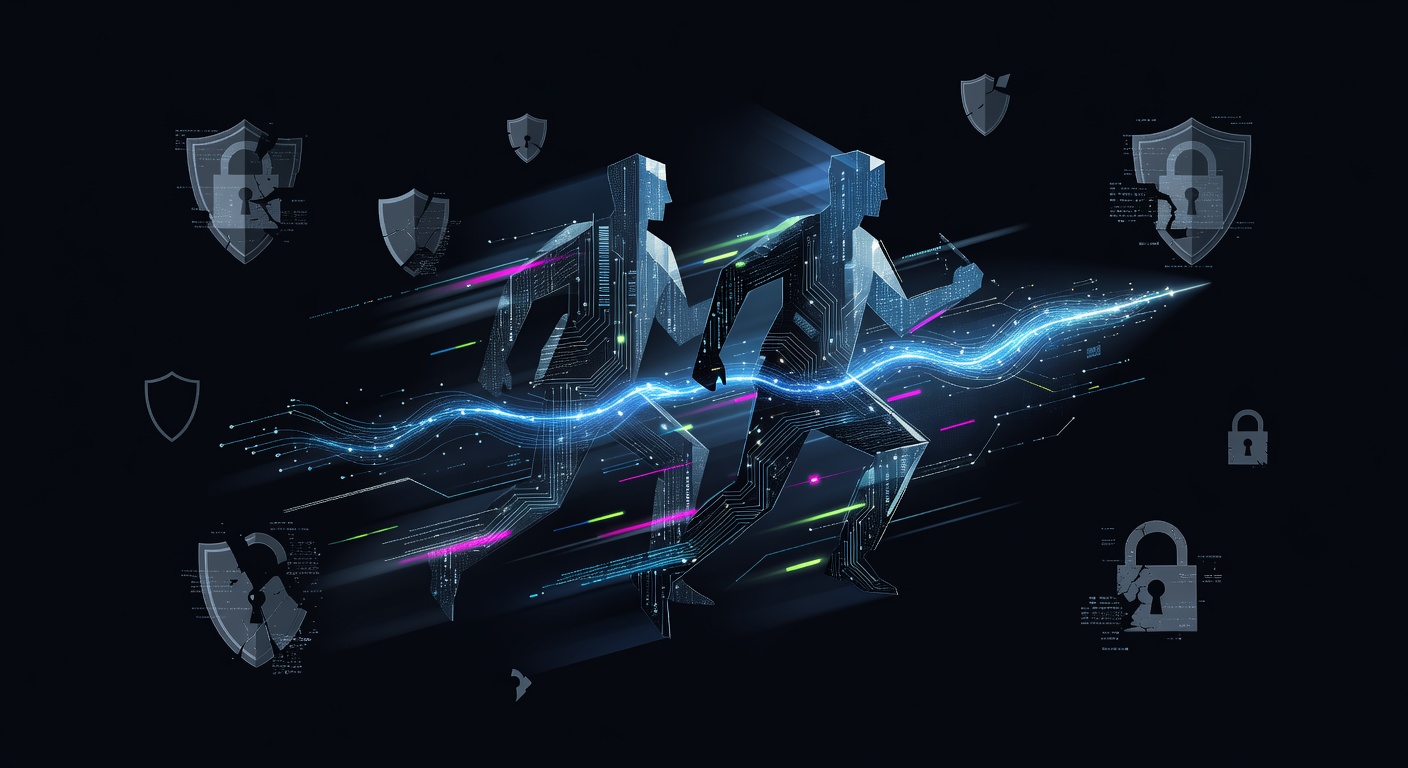
The New Gold Rush Has a Dark Side
Picture this: You're watching the world's smartest engineers work around the clock, fueled by energy drinks and the intoxicating possibility of creating something that could change everything. Sounds exciting, right? Well, it is – but it's also potentially terrifying.
We're living through what I like to call the "AI Wild West," where tech companies are racing to build increasingly powerful artificial intelligence systems. And just like the original Wild West, things are moving so fast that sometimes common sense – and safety – get trampled in the stampede.
When Competition Becomes Dangerous
Here's what's keeping me up at night: the faster these companies move, the less time they're spending on safety testing.
Think about it like this – imagine if car manufacturers decided to skip crash tests because they wanted to get their new models to market before their competitors. You'd be horrified, right? Yet that's essentially what's happening in AI development.
Companies like OpenAI, Google, and Anthropic are locked in an intense competition to release the next breakthrough AI model. Each wants to be first to market with capabilities that could revolutionize everything from healthcare to education. The problem? Thorough safety testing takes time – time that could mean losing the competitive edge.
The Real Stakes
This isn't just about corporate profits (though those are certainly at stake). We're talking about systems that could potentially:
- Manipulate public opinion on a massive scale
- Automate cyber attacks with unprecedented sophistication
- Make decisions in critical areas like healthcare and finance
- Impact job markets across entire industries
When you're dealing with technology this powerful, cutting corners on safety isn't just irresponsible – it's reckless.
The Pressure Cooker Effect
I've talked to engineers working at these companies, and many of them are genuinely concerned. They want to build safe AI, but they're working under immense pressure. Investors are breathing down their necks, competitors are announcing new breakthroughs monthly, and the media is hyping every development.
It's like being asked to perform surgery while someone is timing you with a stopwatch.
The result? Important safety research gets deprioritized. Testing that should take months gets compressed into weeks. Red flags that should pause development get ignored in favor of shipping deadlines.
What This Means for All of Us
Here's the thing that really gets me: we're all beta testers in this grand experiment. When these AI systems get deployed without proper safety vetting, we're the ones who deal with the consequences.
We've already seen glimpses of what can go wrong:
- AI chatbots spreading misinformation
- Automated systems showing harmful biases
- Deepfake technology being used for fraud
- AI-generated content flooding the internet
And this is just the beginning. As AI becomes more powerful, the potential for both positive and negative impacts grows exponentially.
Finding a Better Way Forward
Don't get me wrong – I'm not anti-AI. This technology has incredible potential to solve some of humanity's biggest challenges. But we need to be smarter about how we develop it.
What would help? A few ideas:
Industry-wide safety standards that everyone agrees to follow, regardless of competitive pressure. Think of it like safety regulations in aviation – no airline skips safety checks just to get flights out faster.
Independent oversight from researchers who aren't employed by the companies building these systems. We need people whose job it is to ask tough questions without worrying about stock prices.
Transparency about safety testing and potential risks. If a company isn't willing to explain how they've tested their AI system, maybe we shouldn't be using it.
The Bottom Line
The AI revolution is happening whether we're ready or not. But we still have a choice about how it happens.
We can continue with the current approach – pedal to the metal, safety be damned – and hope everything works out. Or we can demand that the companies building our AI future take the time to build it right.
Because in the end, what good is winning the AI race if we crash at the finish line?
The next few years will determine whether artificial intelligence becomes humanity's greatest tool or its biggest mistake. The choice is still ours to make – but only if we make it now.