
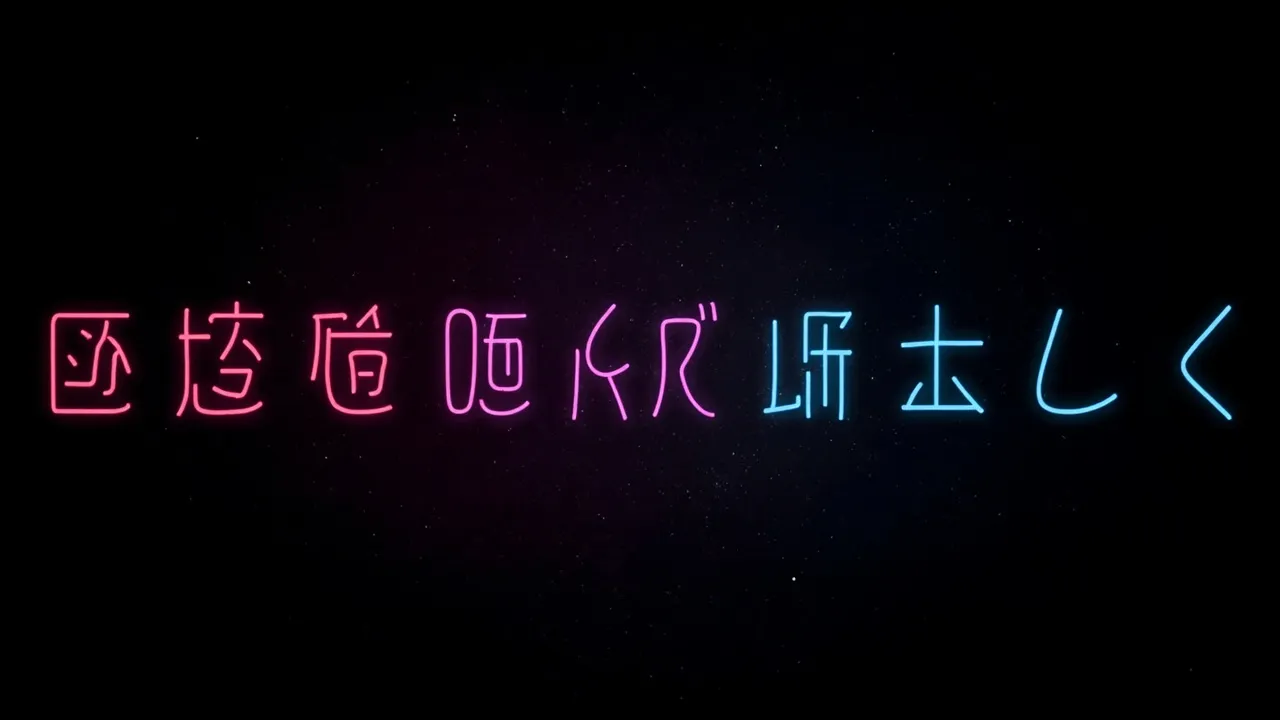
Picture this: You're exploring a remote island in the middle of the Pacific Ocean, thousands of miles from the nearest continent. You stumble upon carved wooden tablets covered in strange symbols — symbols that seem to represent a complete writing system. But here's the kicker: nobody on the island can read them. Not a single person. The knowledge of how to interpret these tablets was somehow lost, even to the people who created them.
This isn't fiction. This is the real story of Rongorongo, the undeciphered script of Easter Island (Rapa Nui), and honestly? It keeps me up at night thinking about it.
What Exactly Is Rongorongo?
Rongorongo refers to the collection of wooden tablets and objects inscribed with these mysterious glyphs. When European explorers arrived on Easter Island in the 1860s, they found perhaps 25 tablets — though many were later destroyed or lost. The surviving examples contain thousands of individual symbols arranged in patterns that suggest they're meant to be read, not just admired.
Unlike other ancient writing systems that took decades or centuries to crack (looking at you, Egyptian hieroglyphics and Linear B), Rongorongo has resisted every attempt at decipherment. We can't even agree on what language it might represent or whether the symbols represent sounds, concepts, or something else entirely.
Why the New Discovery Has Everyone Excited
Here's where things get interesting. Recent research suggests that Rongorongo might be far older than previously believed — potentially predating European contact by centuries. If this holds up, it would make it one of the few independent inventions of writing in human history.
Think about what that means: the people of Easter Island, living in one of the most isolated places on Earth, somehow developed their own writing system from scratch. That's incredible! Most civilizations borrowed writing from neighbors or developed it only once humans started settling down in dense agricultural communities. Easter Island was never densely populated and had almost no contact with other literate societies.
The Mystery Gets Deeper
What makes Rongorongo especially maddening is that we have the tablets, we can see the symbols, but we have absolutely no key to decode them. With most ancient scripts, researchers at least have bilingual inscriptions (like the Rosetta Stone) or contextual clues. Rongorongo appears to have existed only on Easter Island, and the knowledge of reading it was lost during the tumultuous period following European contact.
Some researchers believe the symbols represent mythological chants or genealogies. Others think they might encode astronomical observations or calendar information. A few even suggest the glyphs are purely decorative. Without being able to read them, we're essentially guessing.
What This Tells Us About Human History
Here's what really gets me about this story: Easter Island represents one of humanity's greatest puzzles. The Rapa Nui people built those famous moai statues (you know, the giant stone heads), developed complex social structures, and apparently created their own writing system — all while living on a relatively small island with limited resources.
The story of how they got there, how they survived, and what happened before European contact is still being pieced together. Rongorongo might be the key to understanding an entire civilization that we've only begun to comprehend.
Why Should You Care?
I know what you're thinking: "This is cool, but why does it matter?"
Here's my take: Every time we unlock an ancient writing system, we recover knowledge and perspectives that were thought to be lost forever. We learn how our ancestors thought, what they valued, what they feared. With Rongorongo, we have the chance to hear from a civilization that developed completely independently of the Western, Asian, and Middle Eastern traditions that dominate our understanding of ancient history.
It's a reminder that human ingenuity isn't limited to a few "cradles of civilization." Intelligence and creativity exist everywhere humans live, and sometimes the most remarkable examples are found in the most unexpected places.
The Bottom Line
So what do we have? A mysterious script, older than we thought, created by a remarkable civilization, that we simply cannot read. It's humbling, honestly. We've decoded the writing of ancient Sumerians and read love letters from Roman soldiers, but this one remains stubbornly silent.
Maybe someday, someone will crack the code. Maybe the answer lies in a detail we've overlooked, or perhaps we'll find a bilingual text we didn't know existed. Until then, those wooden tablets will keep their secrets, and we'll keep wondering what stories they might tell.
One thing's for certain: the mystery of Rongorongo reminds us that the past is full of chapters we haven't even begun to read.
What do you think — will we ever decipher Rongorongo? Drop your thoughts below. I'd love to hear your theories!