
When Speed Kills (and America's Been Too Slow)
Picture this: you're in a race car, but everyone else has rockets. That's basically where America finds itself in the hypersonic weapons game right now. While we've been tinkering in our garage, China and Russia have been lapping us on the track with missiles that can travel at five times the speed of sound.
But here's the thing about being behind — sometimes it forces you to get creative.
Enter the Angry Tortoise (Yes, Really)
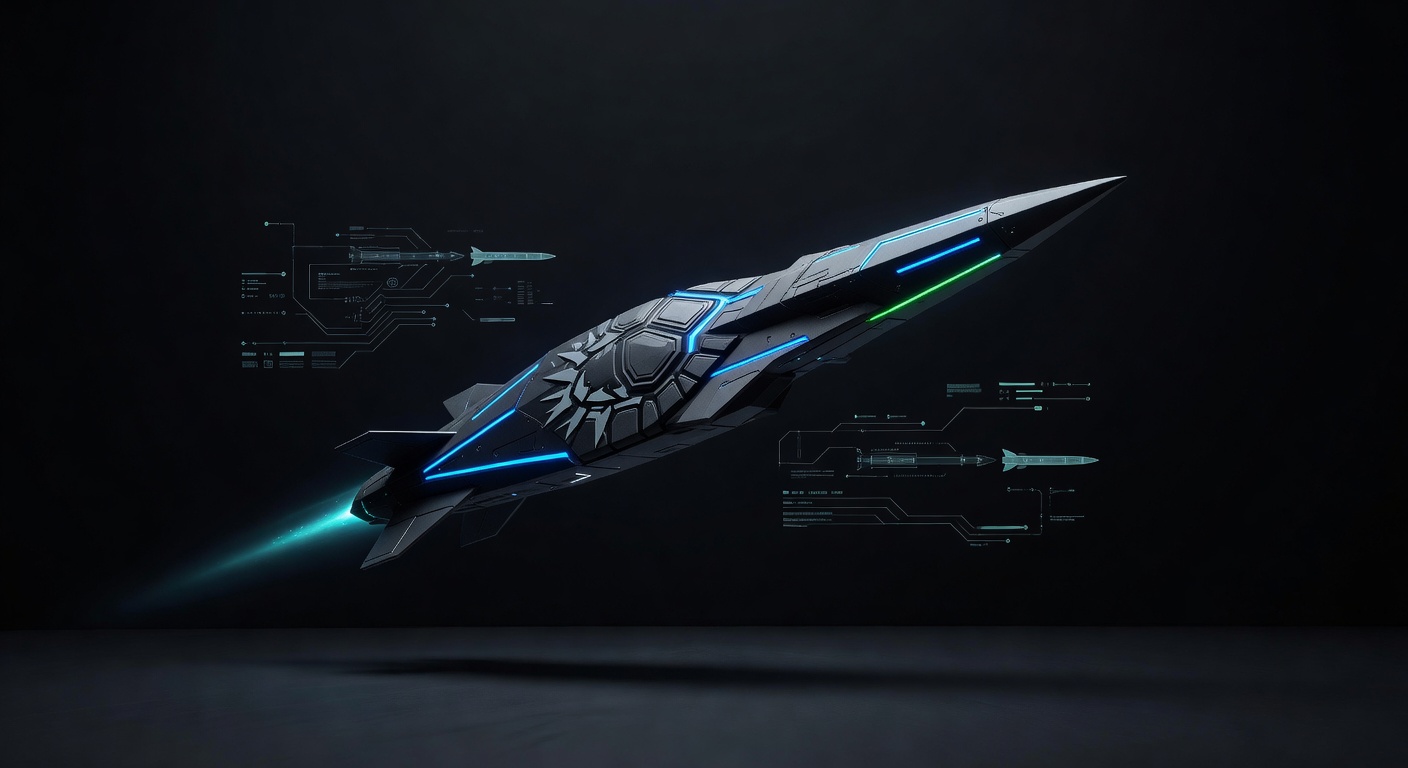
The Air Force Research Laboratory has a sense of humor, apparently. They've named their latest hypersonic missile the "Angry Tortoise" — a not-so-subtle jab at America's sluggish pace in this particular arms race. It's like naming your sports car "Slow Poke" after losing every race for three years.
The missile is scheduled for its first test this December, and honestly, I'm rooting for it. Not because I love weapons, but because the technology behind it is genuinely fascinating.
Why This Tortoise Might Actually Win
Here's where things get interesting. The Angry Tortoise uses something called the Draper engine, and it's pretty clever. Think of it as the best of both worlds between two types of rocket fuel.
Traditional liquid fuel rockets are like high-performance sports cars — incredibly powerful but temperamental. They need special storage, they're corrosive, and you can't just leave them sitting around. Solid fuel rockets are more like reliable pickup trucks — ready to go when you need them, but once you start the engine, you're committed to the ride until the fuel runs out.
The Draper engine? It's like having a sports car that's as reliable as a pickup truck. It uses a hydrogen peroxide-kerosene mix that you can store at room temperature (no fancy cooling systems needed), but still gives you the performance and flexibility of liquid fuel. Plus, you can turn it off and restart it mid-flight — something that could make these missiles reusable.
The 3D-Printed Revolution
What really caught my attention is that 60% of this engine is 3D-printed. We're literally printing rocket engines now, folks. This isn't just cool from a tech perspective — it's a game-changer for cost and production speed. Instead of months of traditional manufacturing, we could potentially print replacement parts in days.
It's like the difference between hand-crafting a watch and having a factory assembly line. The Draper engine went from concept to reality in just three years, which is lightning fast in the defense world.
The Reality Check
Now, let's pump the brakes a bit (pun intended). The December test won't even reach hypersonic speeds — it'll top out at about Mach 2 due to the limitations of the test site. The real test over the Pacific won't happen until 2026.
And let's be honest about America's track record here. We've had some spectacular failures lately. Lockheed Martin's previous hypersonic programs either failed most of their tests or got cancelled due to budget issues. It's been a bit embarrassing, to be frank.
What This Really Means
The Angry Tortoise represents something bigger than just another missile program. It's a shift in how we approach complex engineering problems. Instead of throwing endless money and years at massive defense contractors, we're seeing smaller companies like Colorado-based Ursa Major come up with innovative solutions faster and cheaper.
Whether the Angry Tortoise will actually restore American military superiority remains to be seen. But the approach — combining innovative engine design, 3D printing, and a willingness to try new things — feels like the right direction.
Plus, any program confident enough to name itself after a slow, angry reptile has at least won points for honesty about where we started.
The Bottom Line
The hypersonic arms race isn't going anywhere, and frankly, it's a reality we have to deal with. If we're going to play this game, I'd rather see us doing it with innovative technology and cost-effective solutions than just throwing money at the same old approaches.
Will the Angry Tortoise live up to its promise? Ask me in 2026. But for now, I'm cautiously optimistic that sometimes the tortoise really can win the race — especially when it's really, really angry.