
The Day Divers Found Something Unbelievable
Picture this: You're a shipwreck diver in 1991, cruising the Atlantic waters off New Jersey at 230 feet below the surface. You're looking for an exciting new wreck to explore—nothing special, just another piece of history rotting on the ocean floor.
Then you see it.
A massive German submarine. From World War II.
Yeah, I'd probably do a double-take too.
That's exactly what happened to a team of divers led by Bill Nagle, who operated a dive charter boat called the Seeker out of Brielle, New Jersey. Nagle had heard about this mysterious wreck from a local fishing boat captain who'd kept the location secret because it was a goldmine for catching fish. (You know, the practical kind of secret—not "mysterious Nazi submarine" secret.)
The divers initially assumed they'd find a merchant ship or maybe an old American vessel. But no. What they found was a submarine that absolutely should not have been there.
"U-Who?" — A Mystery That Took Years to Solve
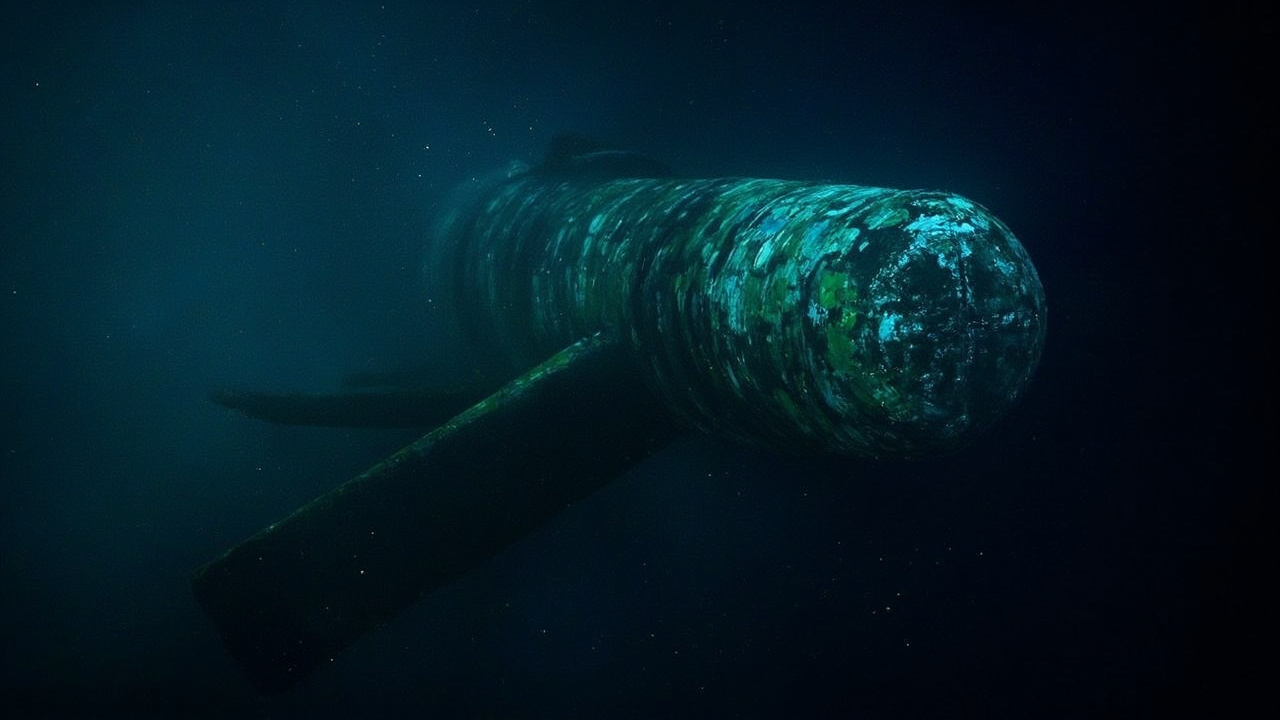
Here's what made this discovery so maddening: the submarine had no exterior markings visible. None. The hull was covered in decades of ocean growth, and the water was so dark and murky that divers couldn't make out any identifying features from the outside.
So they did what any curious group of wreck divers would do—they kept diving. Year after year. They explored the wreck, took measurements, and tried to piece together clues. But without interior access, they were essentially guessing.
The diving community started calling it the "U-Who" because nobody knew its real name. (I love that. There's something both hilarious and tragic about naming a potential war grave "U-Who.")
And here's where the story takes a darker turn. Three divers would lose their lives over the course of this investigation. Three people died trying to learn the name of a submarine.
Let that sink in for a moment.
This wasn't just a cool historical puzzle anymore. This was dangerous—genuinely, life-threateningly dangerous. And the deeper the investigation went, the more it became clear that if anyone was going to solve this mystery, they'd have to go inside.
Why Going Inside Was Basically Insane
I'm going to say something that might surprise you: deep wreck diving is already one of the most dangerous hobbies on Earth. Now imagine trying to penetrate a collapsed WWII submarine at 230 feet depth, in freezing dark water, where the structure might collapse on you at any moment.
Yeah. Not great.
But that's exactly what divers John Chatterton and Richie Kohler decided to do.
Here's the thing—at that depth, breathing standard compressed air causes something called nitrogen narcosis. It's basically like getting drunk underwater. Your decision-making gets cloudy, your coordination suffers, and you're basically operating in a fog. Not ideal when you're trying to navigate through a flooded, collapsed submarine full of unknown obstacles.
So Chatterton and his team had to get creative. They started using something called Trimix—a breathing gas mixture containing oxygen, nitrogen, and helium. The helium helped reduce the narcotic effects of nitrogen at depth.
But here's the catch: Trimix wasn't commercially available in the 1990s. These divers had to buy pure helium and pure oxygen tanks separately and blend the gases themselves in their garages.
Let me be clear about how absolutely terrifying that is. High-pressure oxygen mixed with any oil or grease? Spontaneous explosion. Get the gas proportions wrong? You could poison yourself or lose consciousness. These divers were essentially becoming amateur gas chemists just to have a chance at surviving inside this wreck.
Navigating by Touch in a Flooded Tomb
Even after solving the breathing gas problem, the challenges kept coming.
When Chatterton and Kohler finally made it inside the submarine in 1997, they discovered it had filled with silt over the decades. The slightest movement would stir up clouds of sediment, turning the interior into a zero-visibility nightmare. They couldn't see anything.
So what did they do? They memorized German submarine blueprints on land. All of them. They studied the layouts until they could navigate every compartment blindfolded—because that's essentially what they had to do underwater.
And remember those collapsed bulkheads I mentioned? To reach the most important areas, the divers had to remove their air tanks and squeeze their bodies through narrow gaps in the wreckage. Think about that for a second. You're 230 feet underwater, breathing a carefully mixed experimental gas, in pitch-black water, and you're deliberately making yourself smaller so you can fit through a hole that might collapse on you at any moment.
Chatterton finally reached the submarine's electric motor room. And that's when things got really emotional.
The Discovery That Changed Everything
In the motor room, Chatterton found a spare parts box. Inside were small metal ID tags—three inches long, stamped with serial numbers and identification codes.
These were the keys to the mystery.
But getting them out wasn't as simple as grabbing them and swimming to the surface. The divers had to be incredibly careful not to disturb the remains of approximately 50 German submariners still on board. This wasn't just a wreck anymore. It was a tomb.
When Chatterton surfaced with those ID tags, the team finally had their answer.
The submarine was the U-869, a German Type IXC U-boat that had originally been reported sunk off the coast of Gibraltar. Somehow, impossibly, it had ended up here—off the coast of New Jersey—without anyone knowing.
How did it get there? Why was its location so badly misreported? Those questions sparked a whole new round of historical investigation. (Spoiler: historians are still debating it.)
What This Story Really Means
I think about this story a lot, honestly.
We talk about history like it's something that happened in textbooks. Dates, battles, treaties. But history is also this—it's a submarine full of young men who never came home, sitting in the dark Atlantic for 50 years. It's divers who risked everything, including their lives, just to learn their names.
Three people died on this wreck. That's not a small thing. Richie Kohler, one of the divers who helped crack the mystery, has spoken about this over the years, and you can hear the weight in his voice. These weren't just adventure seekers. They were explorers in the truest sense of the word, people who understood the risks and went anyway.
The U-869 and its crew finally had their story told. But it came at a cost.
Sometimes I wonder if that's what history really requires—people willing to pay the price to remember.
Source: Popular Mechanics