
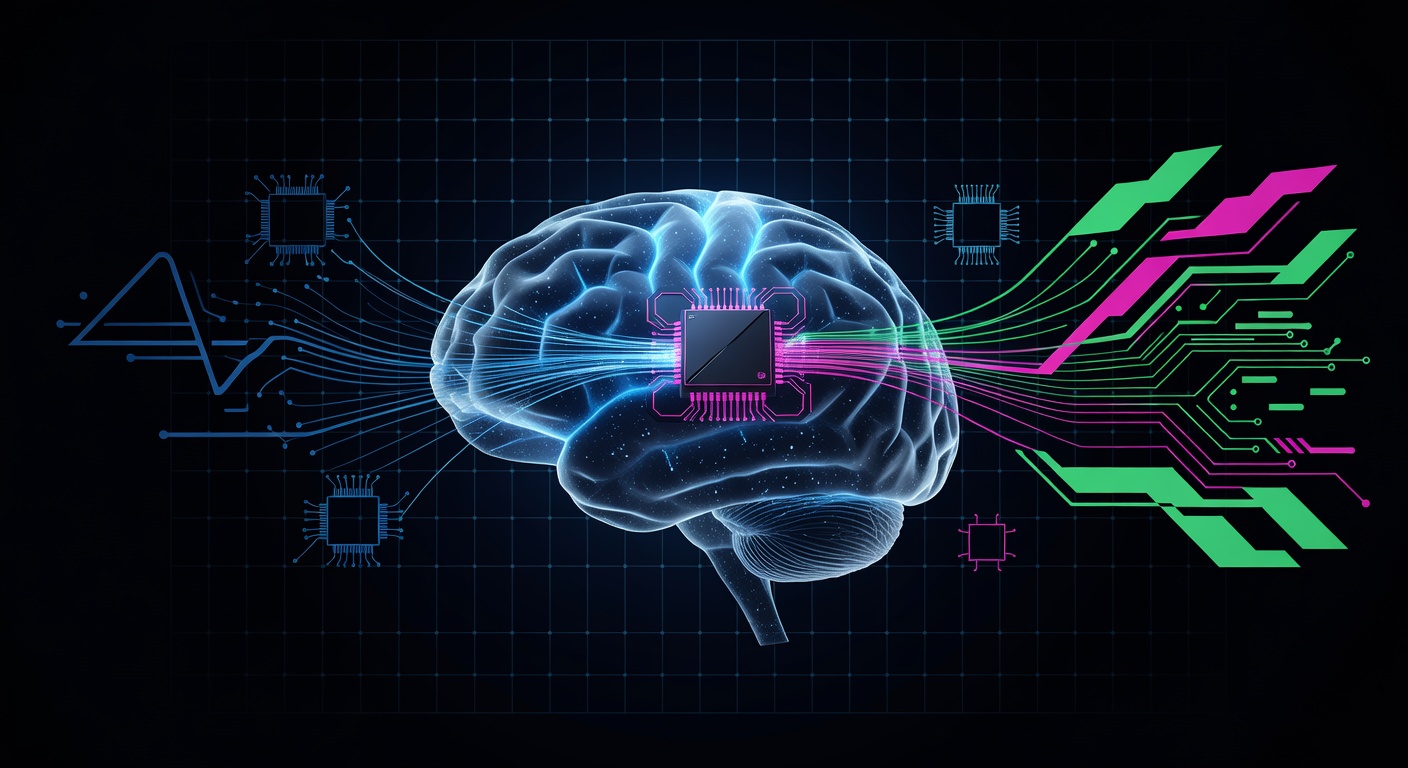
The Future Just Got a Little Closer
Remember when brain chips seemed like pure science fiction? Well, we just took another giant leap toward that cyberpunk future we've all been imagining. China recently gave the green light to its first commercial brain-computer interface (BCI) device, and honestly, this is way bigger news than most people realize.
What Does This Actually Mean?
Let me break this down in simple terms. Brain-computer interfaces are basically tiny devices that can read signals from your brain and translate them into digital commands. Think of it as creating a direct wifi connection between your thoughts and a computer.
The Chinese device that got approved isn't quite the mind-reading marvel you might be picturing from movies. It's more focused on medical applications right now – helping people with paralysis control prosthetic limbs or communicate through computers just by thinking about it. But here's the thing: every revolutionary technology starts with medical applications before it goes mainstream.
The Global Chess Game
What's really fascinating is how this fits into a much larger picture. While companies like Elon Musk's Neuralink grab all the headlines in the West, China has been quietly building a comprehensive strategy to lead the brain-chip revolution.
This isn't just about one company or one device. China is playing the long game, investing heavily in research, building infrastructure, and creating regulatory pathways that could give them a serious advantage in this emerging field. It's like they're laying the foundation while everyone else is still arguing about the blueprints.
Why This Matters More Than You Think
Here's where it gets interesting from a global perspective. Brain-computer interfaces aren't just cool gadgets – they represent the next frontier of human-computer interaction. We're talking about technology that could eventually help treat depression, enhance memory, or even allow direct brain-to-brain communication.
The country that leads in this technology won't just have a commercial advantage; they'll have unprecedented insight into how the human brain works. That's both exciting and, let's be honest, a little unsettling when you think about the implications.
The Ethics Elephant in the Room
I can't write about brain chips without addressing the obvious concerns. We're talking about devices that interface directly with our most private space – our thoughts. Questions about data privacy, mental autonomy, and even the definition of human identity become incredibly complex when you can literally plug into someone's brain.
Different countries will likely take very different approaches to regulating this technology, and those differences could shape how brain-computer interfaces develop worldwide.
What's Next?
The approval of China's first commercial brain chip is just the beginning. We're entering an era where the line between human and machine becomes increasingly blurred, and the early movers in this space will likely shape how that future unfolds.
Whether you find this thrilling or terrifying (or both), one thing is clear: the brain-computer interface revolution isn't coming – it's already here. And China just made sure they have a seat at the head of the table.
The real question now is how the rest of the world will respond. Will we see increased competition and innovation, or will concerns about privacy and ethics slow development in other regions? Either way, we're living through a genuinely historic moment in human technological development.
What do you think about brain chips becoming reality? Are you excited about the possibilities, or do the privacy concerns worry you more? Let me know in the comments – I'd love to hear your thoughts on this wild new frontier.
Source: https://www.wired.com/story/china-approves-first-brain-chips-for-sale-plan-to-dominate-industry