
The DNA Trick That Could Ditch Your Statin Bottle Forever
Let me start with a confession: I never fully understood why cholesterol got such a bad rap until I realized it's basically like having rust buildup in your pipes. Your arteries are those pipes, and when "bad" cholesterol (the kind doctors call LDL) sticks to their walls, bad things happen. Heart attacks, strokes, all the stuff nobody wants to think about at 2 AM.
For decades, statins have been the go-to solution. They work pretty well, but here's the thing — they come with a baggage claim. Muscle pain, weird side effects, and the constant worry about whether this medication is creating other problems you don't know about yet.
Now researchers from Barcelona and Oregon just published something genuinely cool: they've found a way to tackle the root problem using DNA molecules that basically tell your body to turn down the cholesterol production at the source.
What's Actually Happening Here?
Think of PCSK9 as the villain in this story. It's a protein that acts like a security guard, blocking your cells from cleaning up cholesterol from your bloodstream. When you have too much PCSK9 hanging around, your cells can't do their cleanup job properly, and cholesterol piles up like trash on a street with no garbage collection.
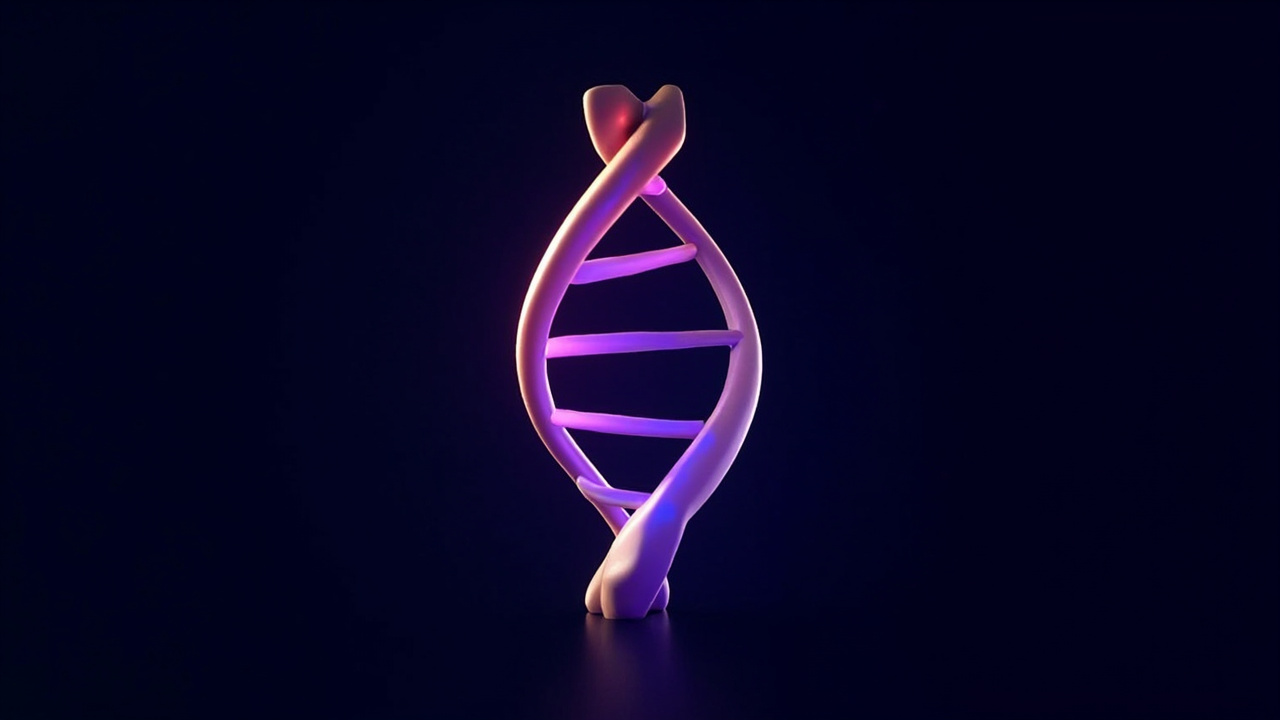
The researchers developed something called "polypurine hairpins" — which sounds like a hairstyle from the 80s but is actually a sophisticated bit of genetic engineering. These are tiny DNA molecules that can target PCSK9 and essentially tell it to shut down production.
Here's what I found brilliant about this: instead of flooding your whole body with chemicals (like statins do), you're sending a very specific message to a very specific problem. It's like precision medicine, but with DNA.
The Numbers Are Actually Impressive
In their lab tests, they tried two versions of these molecular messengers: HpE9 and HpE12. The results? HpE12 knocked down PCSK9 protein levels by 87% in liver cells. When they tested it in mice carrying human PCSK9 genes, a single injection cut cholesterol by almost 50% within three days.
Honestly, when I read those numbers, I had to double-check because they seemed almost too good. But this is published research, peer-reviewed and everything.
Why This Is Different From What We Already Have
Now, it's fair to point out that we already have some fancy cholesterol drugs on the market. There are monoclonal antibodies (fancy proteins that act like targeted missiles), and RNA-based therapies that work in similar ways.
But here's where polypurine hairpins might have an edge:
They're cheaper to make. Manufacturing is simpler, which means they could eventually be more affordable than existing options.
They're stable. They don't fall apart as easily, which makes storage and distribution easier.
No immune system drama. Your body doesn't freak out and attack them like it might with some other therapies.
And here's the big one — no statin side effects. No muscle pain, no weird liver issues. Just a genetic off-switch for the problem protein.
The Reality Check
I need to be honest here: this is still early-stage stuff. They've tested it in cells and mice. The next step is human trials, which takes years and isn't guaranteed to work the same way in real people as it does in lab mice.
Also, gene-based therapies are still relatively new territory. We're still learning about long-term effects, how long the benefits last, and whether there are any surprises waiting down the road.
But that's actually how science works. You don't go from "this is a cool idea" to "here's your prescription" overnight. The fact that these researchers are publishing solid results and that major funding agencies are backing this work means it's probably worth taking seriously.
What This Means For You
If you're currently on statins and dealing with side effects, this probably feels like a ray of hope. And honestly, it might be. Within the next 5-10 years, assuming human trials go well, this could be a real option your doctor might actually offer you.
If you're trying to avoid medications altogether, this is a reminder that there are smarter ways to tackle diseases than just pouring chemicals into your body. Genetic medicine is getting better at finding the actual root cause and addressing it there.
And if you're just curious about where medicine is heading, this is exactly the kind of innovation that makes the future interesting. We're moving from one-size-fits-all treatments to precision approaches that work at the genetic level.
The bottom line? Cholesterol management might be about to get a whole lot simpler, safer, and more elegant. I'm genuinely excited to see where this goes.
Source: https://www.sciencedaily.com/releases/2026/05/260501013525.htm