
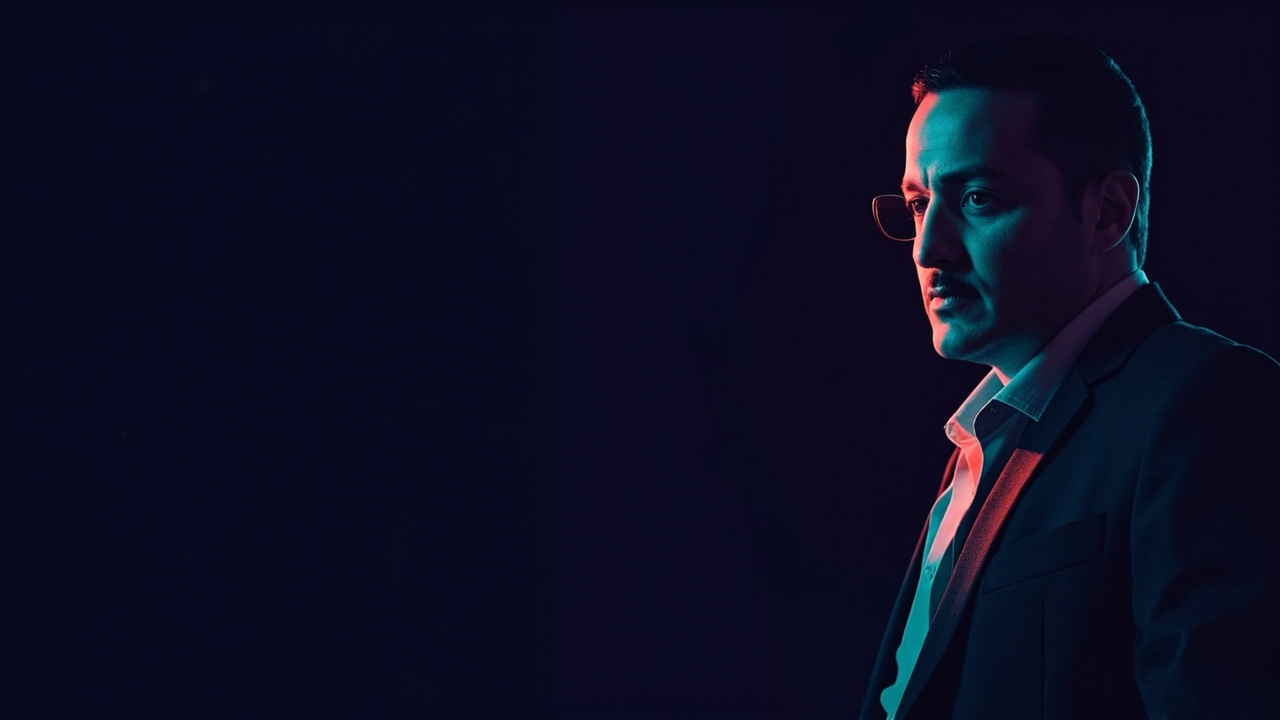
The Guy Who Built the Undetectable Bomber
Okay, I need to tell you about one of the wildest espionage stories you've probably never heard. And honestly? It's the kind of story that makes you shake your head and wonder what was going through someone's mind.
Picture this: It's the late 1990s. The United States just unveiled something straight out of a sci-fi movie—the B-2 Spirit stealth bomber. This thing looks like someone drew a boomerang and then said, "You know what? Let's make it fly." We're talking about an aircraft so advanced that radar systems basically just shrug and miss it entirely.
Now, creating this technological marvel took decades of work and some of the brightest engineering minds in the country. One of those minds belonged to a guy named Noshir Gowadia.
The Rise of a Brilliant Engineer
Gowadia wasn't just some random employee who got lucky. He was a crucial member of the team that figured out how to make the B-2's engines and exhaust systems so cleverly designed that the plane's heat signature became nearly impossible to detect. Think about that for a second—while everyone was focused on making the plane invisible to radar, Gowadia was solving the equally tricky problem of hiding the plane's warmth from infrared sensors.
The man even had a codename during the project: "Blueberry Milkshake." (I wish I was making this up.)
The Bitter Fall
Here's where things take a turn for the worse. By the late 1990s, Gowadia found himself on the outside looking out. A dispute with DARPA (the Defense Advanced Research Projects Agency—the folks who basically invented the internet and about a million other things) led to him losing his security clearance.
Now, I'm not excusing what he did next, but there's a lesson here about what happens when you combine brilliant engineers with bruised egos and suddenly strip away their sense of purpose. Gowadia started his own consulting business, looking for work wherever he could find it.
The Deal with China
And then China came calling.
According to court documents and investigators, Gowadia met with Chinese officials in Hong Kong during 2003 and 2004. The pitch? He could help them crack one of the trickiest problems in stealth technology: reducing the infrared signature on their cruise missiles.
This wasn't just theoretical help, either. The FBI later testified that Gowadia actually studied how China's missiles would perform against American air-to-air weapons. He created PowerPoint presentations. He flew to Beijing to watch testing firsthand.
The classified information he allegedly shared included details about that low-observable exhaust nozzle technology—the very same tech he'd helped develop for the B-2.
Getting Caught
Eventually, the government caught on. After years of gathering evidence, agents showed up at Gowadia's Hawaii home in October 2005 and arrested him. In 2010, he was convicted of espionage.
And here's the part that really got me: in a statement written shortly after his arrest, Gowadia essentially admitted what he'd done was wrong. He wrote that helping China make a cruise missile "was espionage and treason."
Thirty-two years in a supermax prison. That's where he's spending the rest of his life.
The Unsettling Result
Now here's what keeps me up at night about this story. Just a few years after Gowadia's conviction, China announced development of their own stealth bomber—the H-20. If you look at pictures of it... well, let's just say it wouldn't be unreasonable to wonder if maybe, just maybe, some of those blueprints found their way across the Pacific.
The technology gap that once made the B-2 untouchable? It might be closing faster than any of us would like.
What This Tells Us
Look, I write about cool technology because I love learning about human ingenuity and the amazing things we can create. But stories like this one remind us that technology doesn't exist in a vacuum. People create it, protect it, and sometimes—tragically—betray it.
The B-2 Spirit remains one of the most impressive engineering achievements in aviation history. And the fact that one of its creators nearly handed its secrets to a rival power is both a testament to how valuable these innovations are... and a warning about how precious they can be.
Makes you think, doesn't it? Every piece of classified technology represents not just years of engineering work, but the character of everyone who had access to it.
What do you think about this story? Does it surprise you, or is this kind of thing more common than we realize? Drop your thoughts below—I genuinely want to hear your take on this whole messy situation.
Source: Popular Mechanics - The B-2 Engineer Who Sold America's Stealth Tech to China