
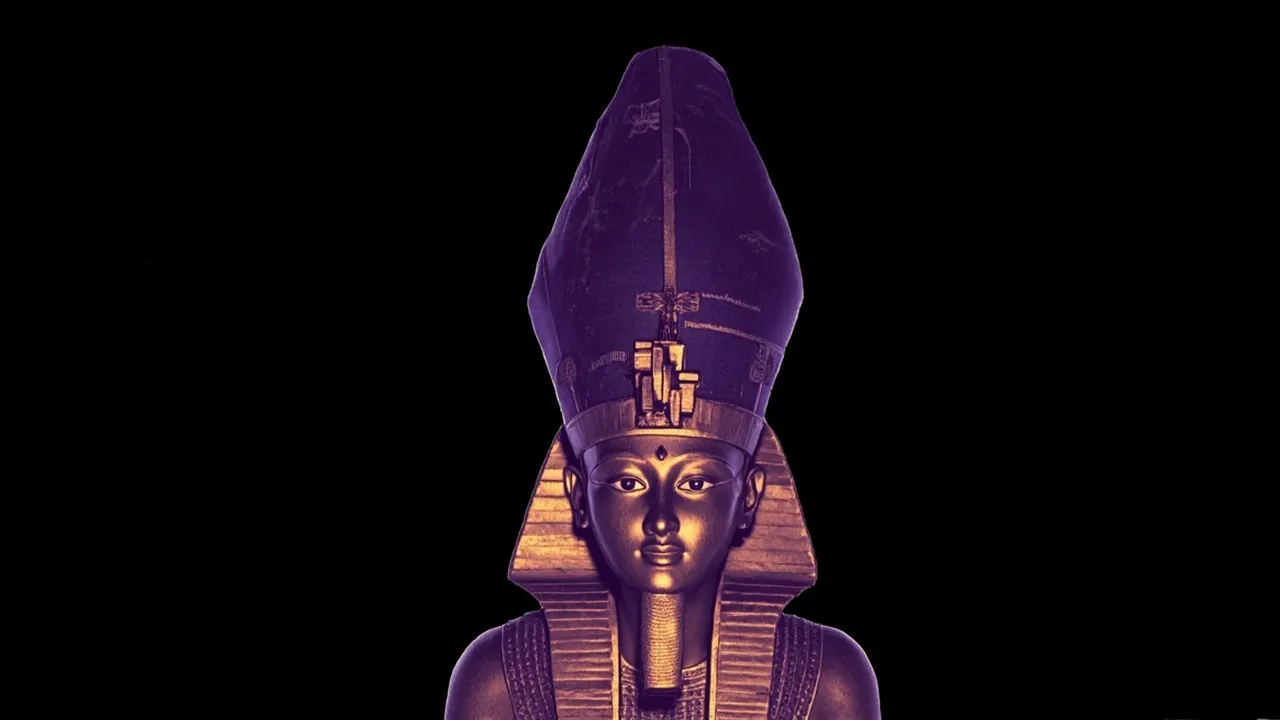
The Queen History Forgot
Okay, I have to admit — when I first heard about this story, I got genuinely excited. And that's saying something because I've read a lot of "ancient Egypt discovers new tomb" headlines that turn out to be, well, not that exciting.
But this? This is different.
We're talking about Meretneith — a woman who might have been the very first female pharaoh in Egyptian history. Not Hatshepsut (you know her, the famous one with the false beard). Not Sobekneferu. We're talking about someone who came before the pyramids were even built.
Over 5,000 years ago. That's wild, right?
So Who Was Meretneith?
Here's what makes this story so intriguing. Meretneith lived during the First Dynasty, just a few generations removed from Narmer — the guy who unified Upper and Lower Egypt and basically started the whole pharaoh thing.
According to the evidence we have (which, admittedly, is patchy), Meretneith was:
- Probably the daughter of Pharaoh Djer
- The wife (and queen) of Pharaoh Djet
- The mother of Pharaoh Den
So far, so normal for ancient Egyptian royalty. But here's where things get interesting.
When Djet died, their son Den was apparently too young to rule. So what did Meretneith do? She grabbed the crook and flail herself and took charge.
If this is true, she would have been the first woman in recorded history to rule as pharaoh. How cool is that?
The Problem? Nobody Could Quite Read Her Name
Here's where the detective story really begins.
Back in 1900, famous Egyptologist Flinders Petrie was digging around in tomb Y at Abydos when he found something confusing. There was a royal stela (basically a stone marker) that should have had a king's name on it — but it didn't have the usual rectangular frame called a serekh that pharaohs' names went inside.
Then, decades later in the 1940s, another Egyptologist named Walter B. Emery found seal impressions in a tomb at Saqqara. These showed what looked like someone's name stamped right next to the serekh of Pharaoh Djer.
He was pretty sure it said "Meretneith." His colleagues? Not so much.
And that grainy black-and-white photo? It was the only evidence they had. The actual seal itself? Gone. Vanished.
The Sleuths Who Wouldn't Give Up
Here's where two modern researchers come in: Sue Kelly from Charles University in Prague and Crystal Miller from Macquarie University in Sydney.
These ladies decided to take another look at those old photos. But they didn't just squint harder — they used digital magic to enhance them.
They converted those grainy, blurry images into vector graphics. Without getting too technical, vectors are basically mathematical representations of images that can be scaled up without getting pixelated. Think of it like turning a blurry JPEG into a crystal-clear vector illustration.
The results? They could suddenly see details that had been invisible for decades.
Inside the serekh, they spotted two hoe symbols sharing one compartment. And that "hoe" hieroglyph? It reads as "mr" — which is the "Mer" in Meretneith.
That might not sound like a huge deal, but it's actually pretty convincing evidence that this is her name.
But Wait — There's a Mystery Within the Mystery
Now here's where things get really interesting.
A pharaoh's serekh typically has a deity symbol perched on top. Since Meretneith's name means "beloved of Neith" (Neith being the goddess of war, wisdom, and creation), you'd expect to see her symbol there — a shield crossed with arrows.
But the details aren't quite right. Some researchers think it's actually a falcon — which would be the symbol of Horus, the god associated with reigning pharaohs.
A falcon on top? That would suggest she really was recognized as a full pharaoh, not just a regent holding the throne for her son.
So which is it? Nobody knows for sure yet. The image is still too unclear to say definitively.
Why Does This Matter?
You might be wondering — why should we care about some debate over a 5,000-year-old name on a jar seal?
Here's why: Meretneith has been erased from popular memory in a way that other female rulers haven't been. Hatshepsut gets temples. Cleopatra gets movies and basically an entire Netflix series. But Meretneith?
She's barely a footnote in most history books.
And yet, if the research holds up, she did something extraordinary. She broke through a 5,000-year-old glass ceiling before anyone even thought to build one.
She also seems to have been treated as royalty in death. Her tomb at Abydos shows signs of royal treatment — and inscriptions mention her alongside administrative titles typically reserved for rulers.
The Takeaway
Look, I'm not going to pretend the case is closed. Egyptologists are still debating whether this seal really belongs to Meretneith, and whether she was truly recognized as pharaoh or just held the throne as a regent.
But here's what I love about this story: science and archaeology aren't static. Just because an image is blurry doesn't mean it can't be enhanced. Just because something was decided 80 years ago doesn't mean we can't revisit it with new tools.
History is always being rewritten — and sometimes, the stories we find are more extraordinary than the ones we thought we knew.
Meretneith ruled Egypt over 5,000 years ago. Maybe it's time we remembered her name.