
Meet the Little Ghost of the Underground
Have you ever wondered what's happening in the dark, watery corners of the world that humans rarely visit? Well, scientists just found something truly otherworldly, and it’s much smaller (and much weirder) than you might think.
Researchers exploring cave systems in China have officially documented a new species of freshwater snail called Erhaia dijiang. And let me tell you, this isn't your average garden snail.
Living in the Dark
Imagine living your entire life in a world where "light" is a concept you've never actually experienced. That is the reality for this little guy.
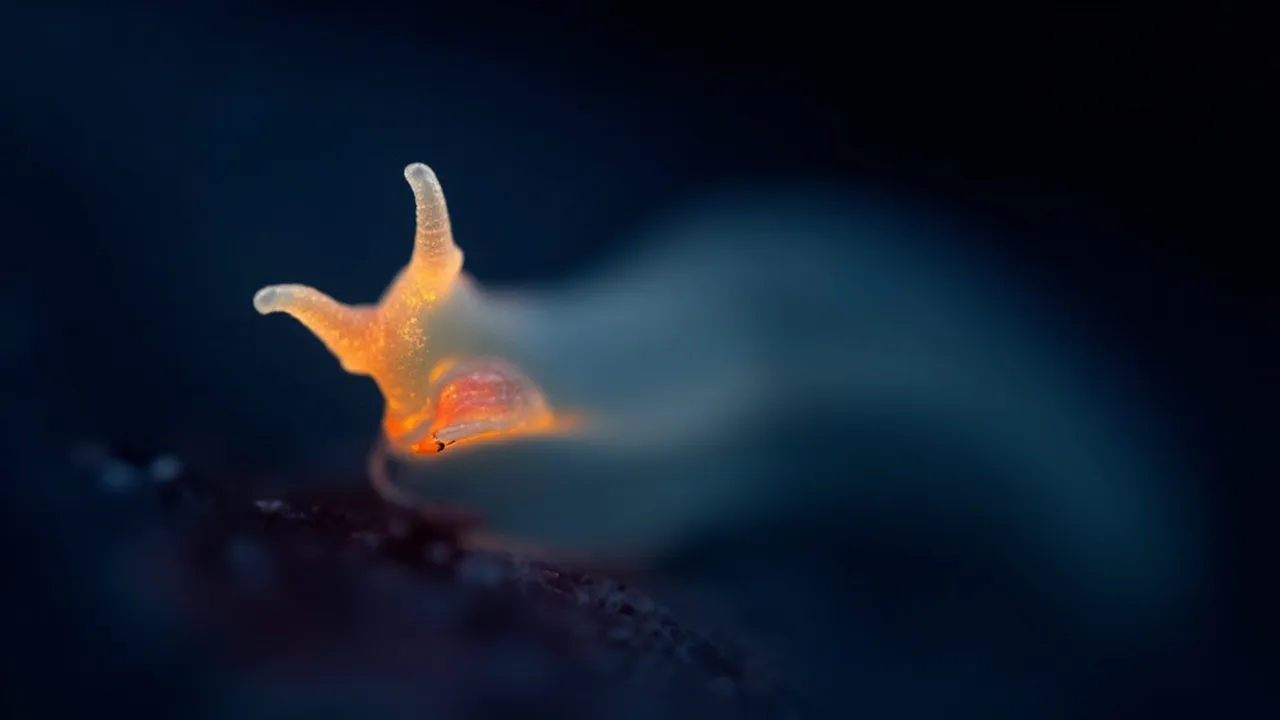
Because it lives in permanent darkness, this snail has evolved to be... well, a bit ghostly. It has completely lost its eyes—the structures for vision have actually degenerated because, honestly, why bother having eyes if there's no light to see? It also has a totally transparent, cone-shaped shell and a pale, pigment-free body.
To make things even more interesting, the scientists named it after "Di Jiang," a faceless mountain god from ancient Chinese mythology. It’s a perfect fit because these snails are incredibly sensitive to light; if you shine a flashlight on them, they immediately scurry away to hide under rocks.
A High-Altitude Mystery
What makes this discovery even more mind-blowing is where they found them. This snail was discovered at an elevation of over 2,000 meters!
Usually, you don't think of high-altitude mountain caves being home to specialized aquatic life like this, but these snails have carved out a niche for themselves in shallow, rocky waters. They seem to be very picky about their real estate, too. Even when heavy rains wash them out of the cave, they don't seem to wander off into nearby streams; they stay tucked away in their dark, limestone home.
The Bittersweet Part
Now, here is where I get a little worried for our tiny, eyeless friends.
While finding a new species is always a huge win for science, the researchers had a tough time actually finding these snails in the wild. In their first major expedition, they only found three living adults and one empty shell. That's it. No babies, no large groups—just a tiny handful of individuals.
Because they live in such a specific, restricted environment, they are incredibly vulnerable. If their cave habitat changes even slightly, they could vanish before we even fully understand how they live.
It’s a beautiful reminder that even in the most remote, "empty" places on Earth, there are entire tiny civilizations waiting to be discovered—if we act fast enough to protect them.
Source: https://www.sciencedaily.com/releases/2026/10/261019093445.htm