
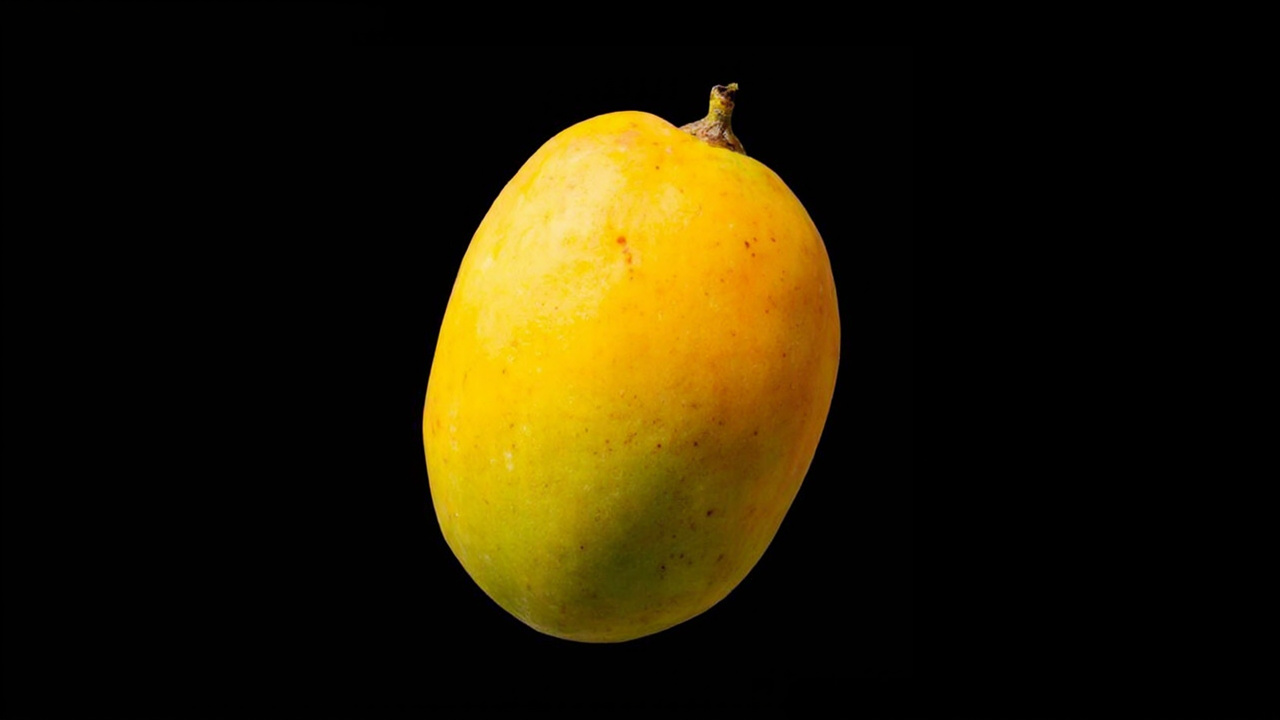
The Mango Problem Nobody Talks About
Have you ever bought a mango, left it on the counter for what feels like five minutes, and suddenly it's either rock-hard or basically applesauce? Yeah, you're not alone. Mangoes are notoriously difficult to keep at their peak, which is a massive headache for anyone trying to ship them across the world without them arriving as fruit smoothies.
The tropical fruit industry has been wrestling with this problem for decades. Once a mango is picked, it's basically racing against the clock—ripening faster and faster, losing moisture, and gradually falling apart at the cellular level. For farmers and distributors, this means serious waste and lost profits.
The Temperature Puzzle
Here's where it gets interesting. Scientists in China have been studying exactly what happens when you store mangoes at different temperatures, and they've discovered something pretty elegant: 12°C (54°F) appears to be the Goldilocks temperature for mango storage.
Now, before you think "why didn't anyone just try this already?"—people actually suspected this temperature worked well. But nobody really understood why it worked so effectively. Was it just slowing down ripening? Preserving the texture? Protecting some hidden defense system inside the fruit? The researchers decided to dig deeper and find out.
The Science Behind the Sweetspot
The team compared mangoes stored at two very different temperatures: a chilly 12°C versus a warm 30°C (86°F)—which is closer to what tropical regions typically use for transport because, well, it's cheaper and easier.
What they discovered was fascinating. For the first couple of weeks, both batches looked pretty similar. But after about two weeks, the differences became dramatic:
The warm mangoes (30°C) were basically racing toward deterioration:
- They yellowed rapidly as chlorophyll broke down
- They lost more than 17% of their weight (that's a lot of water escaping)
- The fruit became mushy much faster
- Sugar levels spiked then crashed
- Flavor balance deteriorated as acidity disappeared
The cool mangoes (12°C) were basically in slow-motion:
- They stayed green longer and ripened much more gradually
- They lost less than 4% of their weight
- They stayed firmer throughout the study
- Sugar content increased slowly and steadily
- They maintained better acidity, keeping the flavor more balanced
When the researchers looked at the mangoes under a microscope, the differences were even more striking. The warm-stored fruit showed destroyed cell walls, depleted starch, and basically collapsing cells. The cool-stored mangoes? Their cell walls stayed intact, their starch granules held up, and the cellular structure remained stable even after 24 days.
The Hidden Defense System
Here's the really cool part that most people don't realize: fruits have their own immune systems, sort of.
When mangoes get stressed (like when they're ripening too fast or at the wrong temperature), they produce dangerous molecules called reactive oxygen species (ROS). Think of these like free radicals—they damage cells and contribute to spoilage. The warmer mangoes were basically drowning in these harmful molecules.
But cooler temperatures triggered the mangoes' natural antioxidant defenses. The fruit produced more vitamin C, phenolics, and flavonoids—compounds that act like bodyguards, protecting cells from damage. Protective enzymes stayed more active, and even specific genes related to antioxidant defense were more active in the cooler fruit.
In other words: 12°C basically tells mangoes to activate their own defense mechanisms, keeping them fresher longer without any artificial preservatives.
What This Actually Means for Your Mangoes
So why should you care about any of this? Because this research could fundamentally change how tropical fruits get shipped around the world.
Imagine if mango growers could harvest fruit earlier (when it's less fragile), ship it across continents at 12°C, and have it arrive at your local store at peak ripeness. Less waste, better fruit, lower costs. It's a win across the board.
For the mango industry specifically, this research provides actual data to justify investing in better temperature-controlled shipping. Instead of guessing that 12°C might work, they now know exactly why it works at a cellular and genetic level.
The Bottom Line
Sometimes the best solutions are simple—a cool box, a precise temperature, and letting the fruit's own biology do the heavy lifting. The researchers didn't invent some fancy chemical spray or develop a new technology. They just figured out what temperature lets mangoes be their best selves.
Next time you bite into a perfect mango at the grocery store, there's a decent chance it spent its travel time sitting in a chilly container at precisely 12°C, with its antioxidant defenses humming along happily.
Pretty cool, right?