
The Tiny Origami Crisis Happening Inside Your Body Right Now
Here's something wild to think about: right now, inside your pancreas, there are millions of microscopic factories working around the clock to produce insulin. And just like any factory, these cells have quality control systems to make sure everything runs smoothly.
But what happens when those quality control systems start to falter?
That's the question a team of researchers has been digging into, and their findings might just change how we think about diabetes.
Think of It Like Molecular Origami
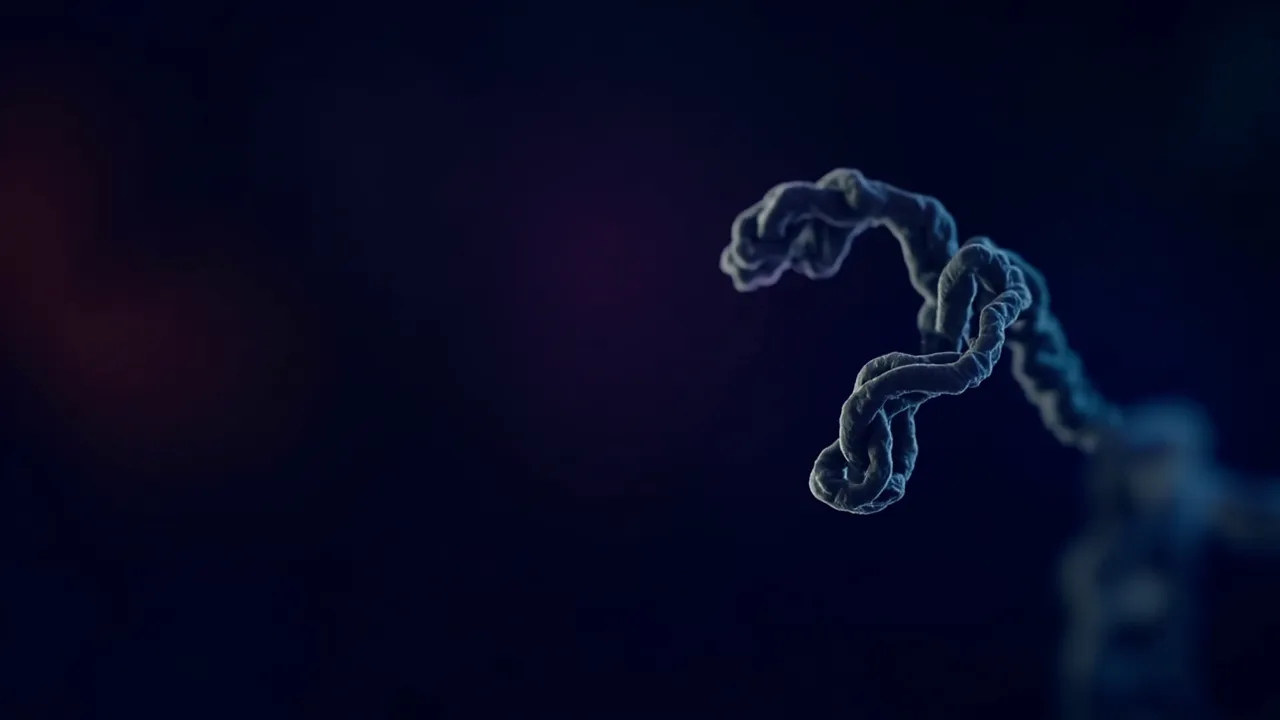
Let me explain something that sounds complicated but really isn't: proteins are basically long chains of amino acids that need to fold into specific 3D shapes to work properly. Think of it like origami—you start with a flat piece of paper, but if you fold it the wrong way, you don't get a crane. You get a crumpled mess.
The same thing happens in our cells. When proteins like proinsulin (which gets converted into insulin) don't fold correctly, they become useless—or worse, they cause problems.
Researchers already knew that misfolded proinsulin accumulates in people with diabetes. What they didn't fully understand was why the folding process breaks down in the first place, and more importantly, what normally keeps it running smoothly.
The Cellular Dream Team
Here's where things get interesting. Your cells don't just hope for the best when folding proteins—they have a whole support system.
At the center of this system is something called BiP, which acts like a chaperone. Imagine BiP as the experienced origami master walking around the factory floor, making sure everyone folds their papers correctly.
But BiP doesn't work alone. It has helpers—scientists call them "cochaperones"—and one of them called p58IPK seems to be particularly important.
The researchers, publishing their work in the Proceedings of the National Academy of Sciences, wanted to understand exactly how this team coordinates protein folding.
What Happens When You Lose Your Teammate?
Here's the cool part of the experiment: the scientists essentially "knocked out" p58IPK from cells to see what would happen.
Without p58IPK, things went downhill fast. Misfolded proinsulin started piling up. The cells couldn't process it properly. Everything got backed up like a factory assembly line that suddenly lost a critical team member.
But here's the really telling finding: just adding more BiP couldn't fix the problem. The improvements were modest at best. The cells needed both proteins working together.
"Like a single tennis player trying to play a doubles match, BiP cannot just go it alone," said Insook Jang, one of the researchers.
This is important because it tells us something fundamental about how our cells work. They're not built for solo heroes—they're built for teamwork.
Why This Matters for Diabetes Treatment
Here's where my excitement kicks in. If we've now identified that the BiP-p58IPK partnership is crucial for proper insulin production, could we find ways to support this system?
Current diabetes treatments focus on managing blood sugar levels after the damage is done. But this research suggests we might eventually be able to protect the insulin-producing cells themselves before they become overwhelmed.
Think about it: if we could somehow boost the cell's natural ability to fold proteins correctly—or help clear out misfolded proteins more efficiently—we might be able to slow or even prevent the progression from prediabetes to full-blown diabetes.
That's still speculative, and there's a lot more research needed. But this study gives us a new target to aim for.
The Bigger Picture
What I love about this research is how it reveals the incredible complexity of what's happening inside our bodies every second of every day. We tend to think of cells as simple machines, but they're actually bustling cities with intricate quality control systems, backup plans, and teamwork protocols.
And here's the thing: when any of those systems starts to slip, the consequences can be massive. In this case, the breakdown of protein folding in just one specific cell type—the beta cells in our pancreas—can lead to diabetes, a condition affecting hundreds of millions of people worldwide.
Understanding these tiny mechanisms isn't just interesting science. It might be the key to finally getting ahead of this disease.
So the next time you hear about diabetes research, remember: sometimes the most powerful breakthroughs come from understanding the smallest details. In this case, we're talking about proteins smaller than a billionth of a meter, folding in ways that could determine whether your body maintains healthy blood sugar or doesn't.
That's pretty incredible when you think about it.
What aspects of diabetes research fascinate you most? Drop a comment below—I love chatting about this stuff!