
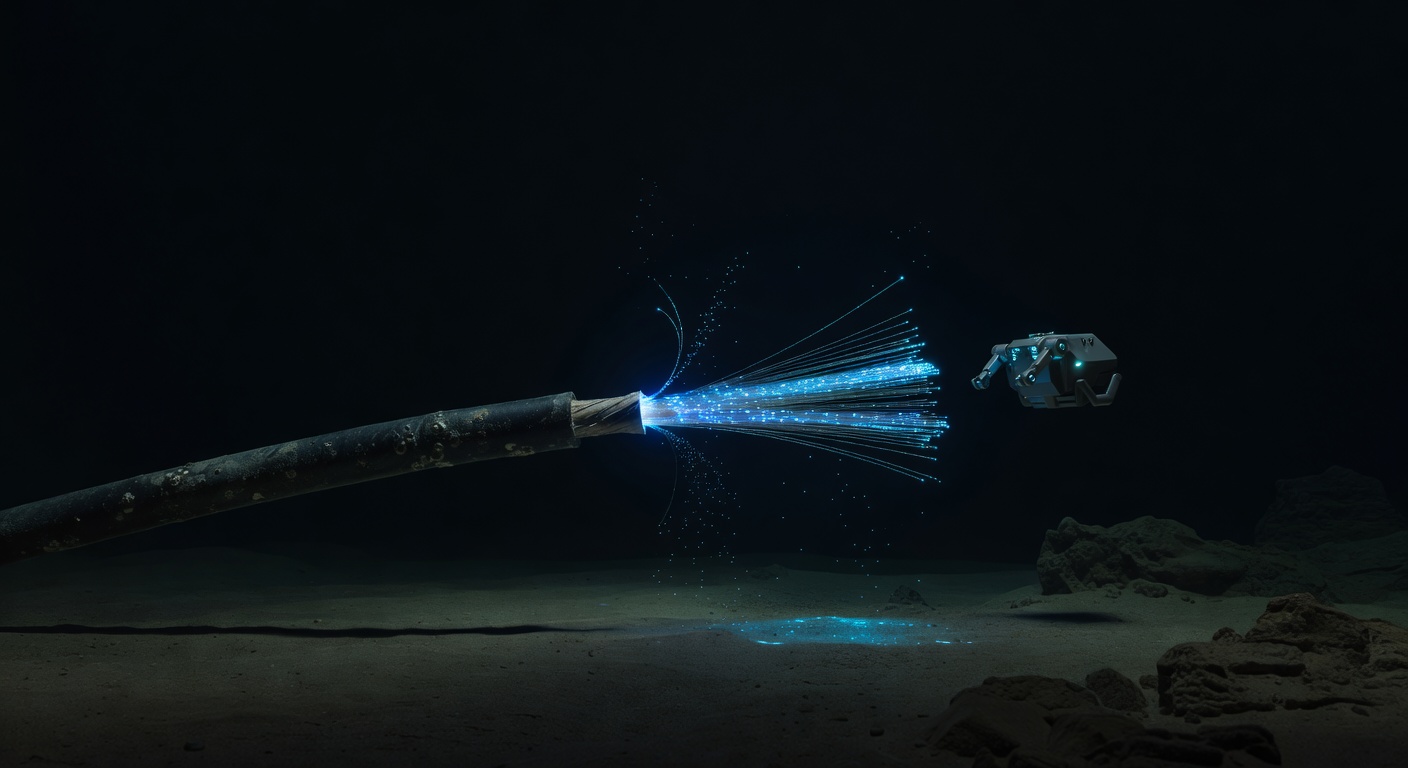
The Unsung Hero Living on the Ocean Floor
You know what's wild? Right now, as you're reading this, your internet connection is probably traveling thousands of miles across the ocean floor through cables thicker than a garden hose. And one of the very first cables that made this whole crazy system possible is finally calling it quits.
I'm talking about the undersea telecommunications cables that literally wire our world together. Without them, there would be no global internet, no international video calls, no seamless streaming across continents. These cables are like the nervous system of our digital planet.
Why This Matters More Than You Think
Here's something that blew my mind when I first learned it: over 99% of international internet traffic travels through undersea cables. Not satellites, not radio waves – actual physical cables lying on the bottom of the ocean. It's like the internet has roots!
The cable that's retiring (and I wish I had more specifics from the source) was probably one of the pioneers that proved this whole concept could work. Back in the day, the idea of laying cables across entire oceans seemed almost impossible. The engineering challenges were insane – you're talking about depths of several miles, crushing pressure, and the constant threat of fishing boats accidentally cutting your cables.
A Technology That Changed Everything
When the first successful undersea internet cables went live, they didn't just improve communication – they completely transformed how we think about distance and connection. Suddenly, a server in New York could talk to one in Tokyo almost as fast as it could talk to one across the street.
This technology made possible:
- Global financial markets that never sleep
- International collaboration on everything from scientific research to cat memes
- The rise of multinational tech companies that we take for granted today
- Remote work across time zones (hello, pandemic life!)
The Next Generation Takes Over
Of course, technology marches on. The newer cables are faster, more reliable, and can carry way more data. Some of these modern monsters can transmit the entire contents of the Library of Congress in about 10 seconds. That's absolutely bonkers when you think about it.
But here's what I find fascinating: even as we retire these older cables, the basic concept remains the same. We're still running physical wires across ocean floors, just like we did decades ago. Sometimes the old ways are the best ways, even in our high-tech world.
A Quiet Revolution
What strikes me most about this story is how invisible this infrastructure is to most of us. We worry about WiFi passwords and cell phone coverage, but we rarely think about these massive cables that make the global internet possible. They're like the plumbing of the digital age – absolutely essential, but completely hidden from view.
So next time you video chat with someone on another continent, or stream a show from a server thousands of miles away, take a moment to appreciate the incredible engineering feat happening beneath the waves. Those cables might not be glamorous, but they're what keep our connected world spinning.
Here's to the retiring cable: thanks for your service, you magnificent underwater workhorse. You helped build the foundation of our digital world, and we're all better for it.