
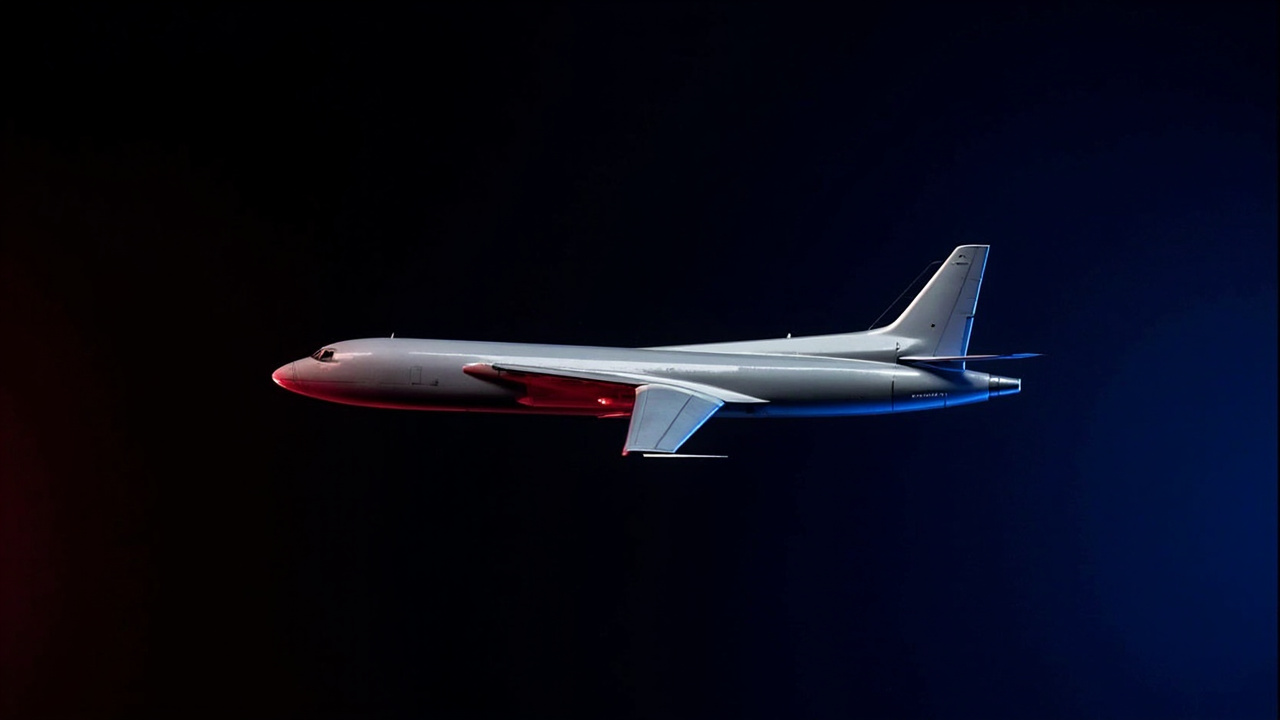
When Innovation Becomes a Death Trap
There's something both romantic and terrifying about being a pioneer. You get to make the breakthrough, claim the glory, and have your name in the history books. But you also get to discover every single thing that can go wrong—usually the hard way.
The de Havilland Comet learned this lesson the most devastating way possible.
The Dream Machine That Looked Like Tomorrow
Picture this: it's 1952, and air travel is about to change forever. The Comet wasn't just another airplane—it was the airplane. It could fly higher than anything else (we're talking 40,000+ feet when competitors could barely manage 30,000), it was faster, sleeker, and those shiny new jet engines? Absolutely mesmerizing compared to the propeller-driven planes everyone was used to.
For passengers, stepping aboard a Comet must have felt like boarding a spaceship. This was the future, and it was happening right now.
British Overseas Airways Corporation (BOAC) couldn't wait to show off their new fleet. The first commercial flight took off smoothly. Everything seemed perfect.
Then, exactly one year later, everything fell apart—literally.
When the Sky Falls
On May 2, 1953, BOAC Flight 783 was cruising at altitude somewhere between Calcutta and Delhi when something catastrophic happened. The aircraft simply broke apart mid-flight, killing all 43 people onboard.
The initial investigation scratched their heads. Severe weather? Sure, there was a storm, but jets should handle that. Must have been the storm's fault, investigators concluded. Case closed.
Except... it wasn't.
The Pattern Nobody Wanted to See
Fast forward a few months. Another Comet. Another mid-air breakup. Then another. Three crashes in less than a year—and they all followed eerily similar patterns. The aircraft would be cruising at altitude, seemingly fine, and then suddenly... disintegration.
The British Air Ministry finally said "enough" and grounded every single Comet. Now they were serious about figuring out what was actually going on.
The Detective Work
This is where things get really interesting (in a nerdy engineering way). The investigators did something remarkable: they took an actual Comet fuselage and dunked it in water. By pressurizing and depressurizing it repeatedly, they could simulate what was happening at 35,000 feet thousands of times over.
And you know what? The metal started cracking. Invisible, microscopic cracks that spread over time.
The Real Villain: Something You Can't See
Here's the thing about metal—we didn't really understand how it behaves under stress back then. Engineers knew how materials handled a single big blow, but the repeated stress of pressurizing and depressurizing a cabin? That was a whole different beast.
The Comet was pressurizing and depressurizing several times a day, every single day. Each cycle weakened the metal just a tiny bit. After enough cycles, the weakened metal failed catastrophically at altitude. It's called metal fatigue, and the 1950s engineering world wasn't ready for it.
Now, you've probably heard that the problem was those "square windows." That's become the popular story—dramatic, visual, easy to understand. But here's where it gets weird: the real culprits were actually openings for antennas that the official report called "windows." The name stuck, and everyone assumed it was about the cabin windows themselves. The Comet 4, which came out later with rounded windows, seemed to confirm this theory.
Spoiler alert: that wasn't actually the main problem.
The Bittersweet Ending
By the time de Havilland fixed all the issues with the Comet 4 (better metal, better design, actually understanding metal fatigue), the moment had passed. The Boeing 707 showed up just a month later and basically dominated the jet age.
The Comet, despite being first and despite being genuinely impressive, became a footnote. A beautiful, tragic footnote.
The Actual Lesson Here
What kills me about this story is that de Havilland didn't make dumb mistakes. They designed an incredible aircraft for its time. The problem was that they were operating at the cutting edge of what anyone understood about materials and physics. Sometimes being first means you're the one who discovers the hard way what nobody else knew yet.
The Comet crashes led to huge advances in materials science, aircraft design, and how we think about metal fatigue. Every plane that's flown safely since then benefited from lessons written in tragedy.
So yeah, maybe the Comet didn't revolutionize commercial aviation the way its designers hoped. But it actually did change aviation forever—just not in the way anyone wanted.
Pretty heavy stuff for a piece about airplanes, right?
Source: https://www.popularmechanics.com/flight/airlines/a71283663/comet-jet-airliner-disaster