
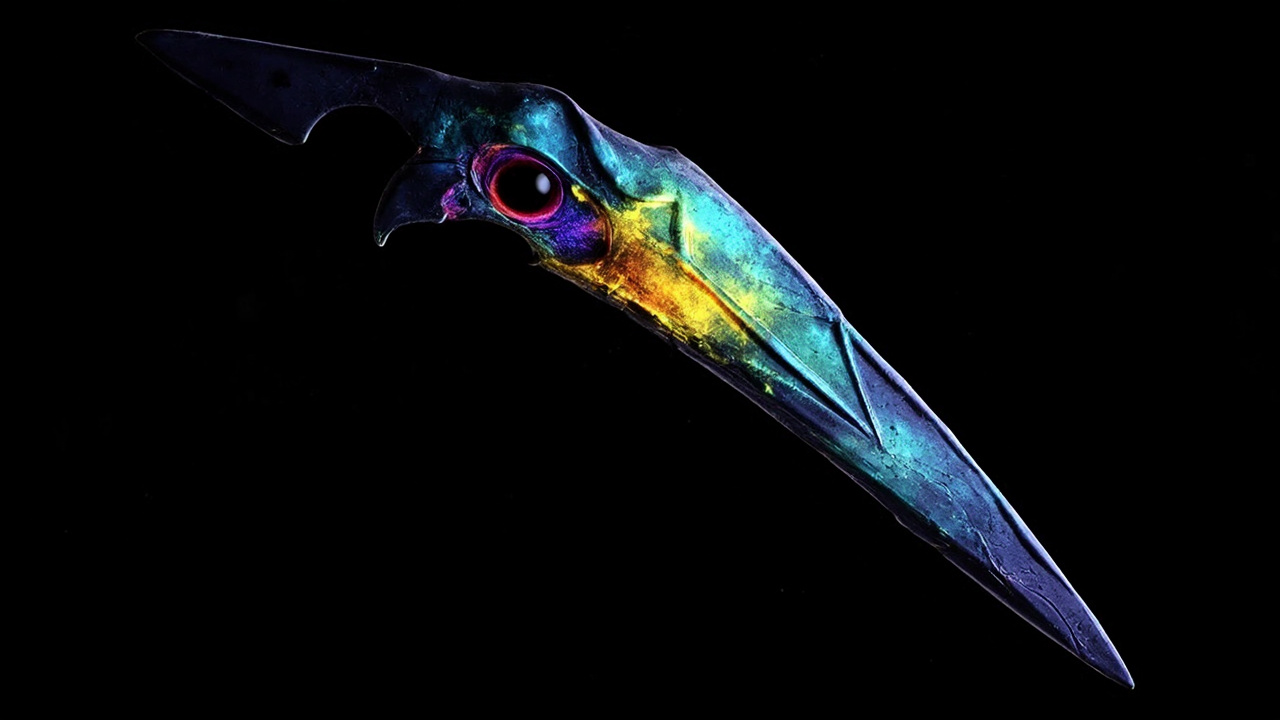
Have you ever wondered what New Zealand looked like before humans arrived? I mean, way before. We're talking about a million years ago, when the landscape was covered in ancient forests and populated by birds that don't exist anywhere on Earth today.
Well, scientists just opened what they're calling a "time capsule" from that exact era—and honestly, the findings are absolutely wild.
A Cave Full of Secrets
Picture this: Researchers from Australia and New Zealand were exploring a cave system near Waitomo on New Zealand's North Island when they stumbled upon something extraordinary. Nestled within the cave were fossils from 12 different bird species and 4 frog species—all dating back roughly one million years.
Now, I know what you're thinking. "One million years is a really long time." And you're absolutely right. But here's what makes this discovery so special: it's the first time researchers have found a substantial collection of land-dwelling vertebrate fossils from this specific period in New Zealand's history. That means we've essentially been missing an entire chapter of the country's biological story.
"This wasn't a missing chapter in New Zealand's ancient history," said Dr. Paul Scofield from Canterbury Museum. "It was a missing volume."
I don't know about you, but I find that completely fascinating. We've been walking around New Zealand for centuries, and there's still so much we don't know about what lived there before us.
The Birds That Disappeared
Here's where things get really interesting. The bird community that existed a million years ago was dramatically different from what Maori and European settlers encountered just a few hundred years ago.
"The shifting forest and shrubland habitats forced a reset of the bird populations," Dr. Scofield explained. The researchers believe that between 33-50% of bird species disappeared during those million years—before humans ever arrived.
That's significant, because it tells us that these extinctions weren't humanity's fault (at least not directly). The culprits? Climate changes and volcanic eruptions that repeatedly reshaped the landscape.
Think about that for a moment. These birds survived for millions of years, then got wiped out by environmental shifts that had nothing to do with human activity. It's both humbling and a little sobering, don't you think?
A Flying Relative of the Kākāpō?
Okay, this is probably my favorite part of the whole discovery.
Among the fossils, researchers identified a previously unknown parrot species—Strigops insulaborealis—which turns out to be an ancient relative of the beloved kākāpō. If you don't know the kākāpō, allow me to introduce you to what might be the weirdest bird on Earth.
The modern kākāpō is flightless, nocturnal, and can live to be over 100 years old. It's essentially a fluffy, green, owl-like parrot with a hilarious mating ritual. What's not to love?
But here's the thing: its ancient cousin might have been quite different. Analysis of the fossil bones suggests this million-year-old parrot had weaker legs than today's kākāpō, which rely heavily on their powerful limbs for climbing. This ancient relative may have actually retained the ability to fly.
Isn't that wild? Imagine a world where the kākāpō's ancestors were soaring through the forests instead of waddling around like adorable feathered potatoes. Scientists will need to do more research to confirm this, but the possibility alone is enough to spark the imagination.
Nature's Timeline Gets Clearer
What makes this discovery even more valuable is how precisely scientists can date it. The fossils were found trapped between two layers of volcanic ash, and geologists were able to determine the age by analyzing the ash deposits. This kind of precision is relatively rare in paleontology and gives researchers confidence in their timeline.
The findings also help bridge a massive gap in what we know about New Zealand's past. Previous excavations at St Bathans in Central Otago gave us a glimpse of life around 16-20 million years ago. But that mysterious period between then and one million years ago? Almost completely unknown—until now.
Why This Matters
I think it's easy to skim past discoveries like this and think, "Cool, old bones. Whatever." But take a moment to really think about what's happening here.
We're not just finding out which animals lived a million years ago. We're understanding how our planet's ecosystems are constantly in flux—shaped by forces far larger than any single species. We're learning that extinction is a natural process that was happening long before we showed up, and that climate and geology have always been (and will continue to be) powerful forces of change.
At the same time, this research highlights how precious and fragile New Zealand's unique wildlife really is. The islands have been a hotspot of evolution for millions of years, producing creatures found nowhere else on Earth. Understanding that history helps us appreciate—and hopefully protect—what remains.
So the next time you see a kākāpō documentary or read about New Zealand's bizarre bird life, remember: the story goes back much, much further than any of us ever imagined. And thanks to this remarkable cave discovery, we're finally starting to read those earlier chapters.
Source: Scientists open a million-year-old time capsule hidden beneath New Zealand