
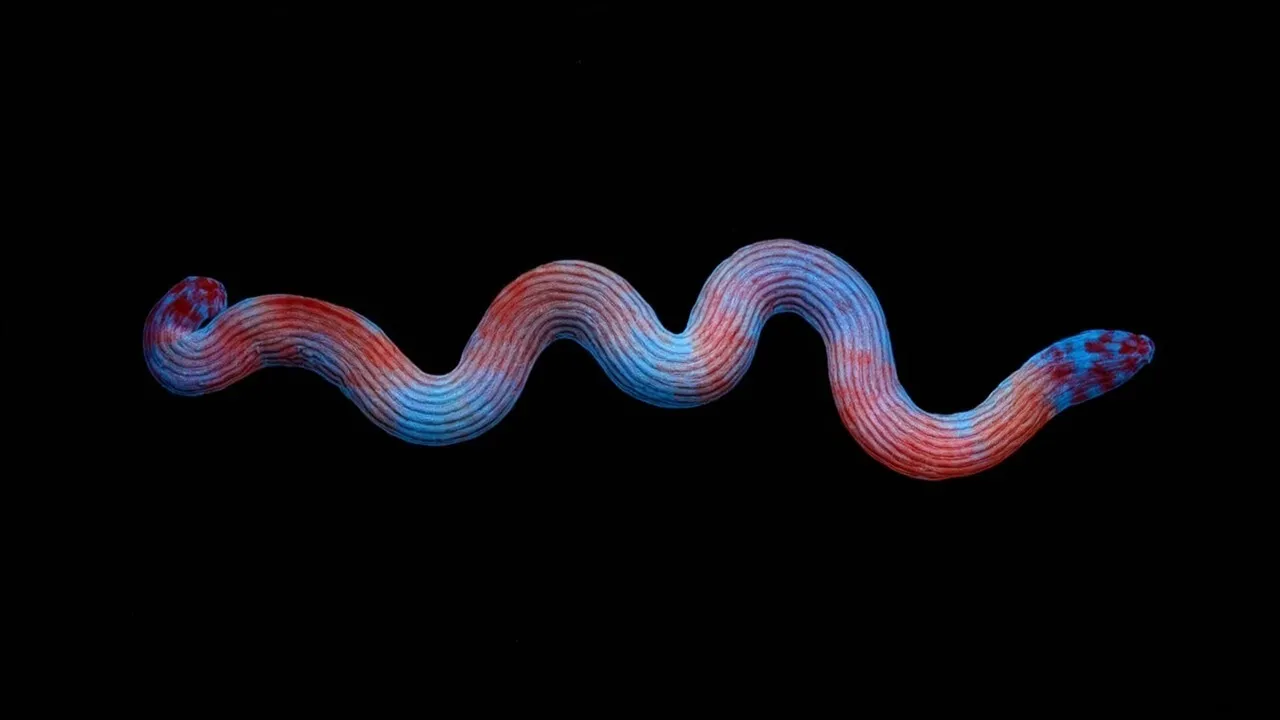
So here's something wild that I can't stop thinking about: baby snakes, before they even hatch, twist themselves into perfect spirals. Like little coiled pasta noodles. And now scientists think they've figured out why, and it's genuinely fascinating.
It Started With a COVID Lockdown Question
Here's a fun fact that'll make you feel better about what you did during lockdown: while most of us were learning to make sourdough bread, evolutionary biologist Dr. Tetsuto Miyashita was lying awake wondering about snake embryos.
Specifically, he noticed something odd in scientific papers: snake embryos were always shown coiled. But were they always coiling in the same direction? Right-handed or left-handed? Nobody had ever checked.
So he asked his students to investigate. They went on a hunt through research papers and museum databases, looking for images of developing snake embryos. And get this — they found over 900 embryos from 39 different species to study.
The Mystery of the Right-Handed Coil
What did they find? Every single early-stage embryo was coiling the same way — to the right. Not random. Not mixed. Always right-handed.
Here's the weird part: these embryos didn't even have working muscles yet. So they weren't choosing to coil that direction. Something was making them do it.
And that's when the team made a discovery that honestly sounds like something from a sci-fi movie.
The Gut Punch (Literally)
A collaborator used CT scans to look inside these developing snake embryos in incredible detail. What they found was hiding in plain sight all along.
Inside the coiled body was a detached gut — basically a pillar of intestine that had broken free from the rest of the developing body, floating there surrounded by blood vessels from the yolk.
Can you picture it? A tiny snake body trying to grow longer and longer, but there's this stubborn gut that refuses to keep up. The gut acts like an anchor, a tether. And since the rest of the body keeps lengthening... well, physics kicks in.
Think of It Like This
Imagine you're holding a belt or a strap, and one end is fixed in place. You keep pulling the other end longer and longer. What happens?
It buckles. It twists. It coils.
That's basically what's happening inside a snake embryo. The body is rapidly elongating (snakes need those long bodies, after all), but the gut isn't growing at the same pace. So the body has to go somewhere — and it twists into a spiral.
But Why Always Right?
Here's where it gets even cooler. The yolk — the embryo's food source — is always positioned on the left side of the developing snake. So the body is being pushed to grow toward the right, away from the yolk.
That's why you get a right-handed spiral. The coil literally forms away from where the food is.
Then Things Get Even Stranger
You'd think once they're coiled, they'd stay that way, right? Wrong!
As the embryos develop, the yolk shrinks, giving them more room to move. Their muscles mature. And here's the fascinating part: some of them actually uncoil and re-coil in the opposite direction!
By the time they're nearly ready to hatch, about half are right-handed and half are left-handed. The early spiral wasn't a choice or a genetic destiny — it was just physics doing its thing before the snake had any say in the matter.
Nature's Spiral Obsession
The researchers point out that spirals show up everywhere in nature — our own intestines, snail shells, all kinds of structures. And scientists are still uncovering just how these shapes form.
There's something almost poetic about it. Snakes have evolved this clever workaround to solve the problem of growing an impossibly long body inside a tiny egg. They essentially detach a body part to create more room, accepting a twist as the cost of doing business.
I don't know about you, but I'm going to look at snake embryos completely differently now. Next time you see a picture of one of those perfectly coiled little蛇 babies (that's "snake baby" in Chinese — I looked it up), you'll know there's a rebellious gut at the center of all that spiral beauty.
Source: ScienceDaily