
The Mushroom Invasion Nobody's Talking About (And Why You Should Care)
When I first heard about this story, I had to pause. A mushroom causing ecological problems? It sounds almost silly until you realize how quietly invasive species can reshape entire ecosystems—and how often we're the ones accidentally making it happen.
The Cute Fungus That's Actually Pretty Sinister
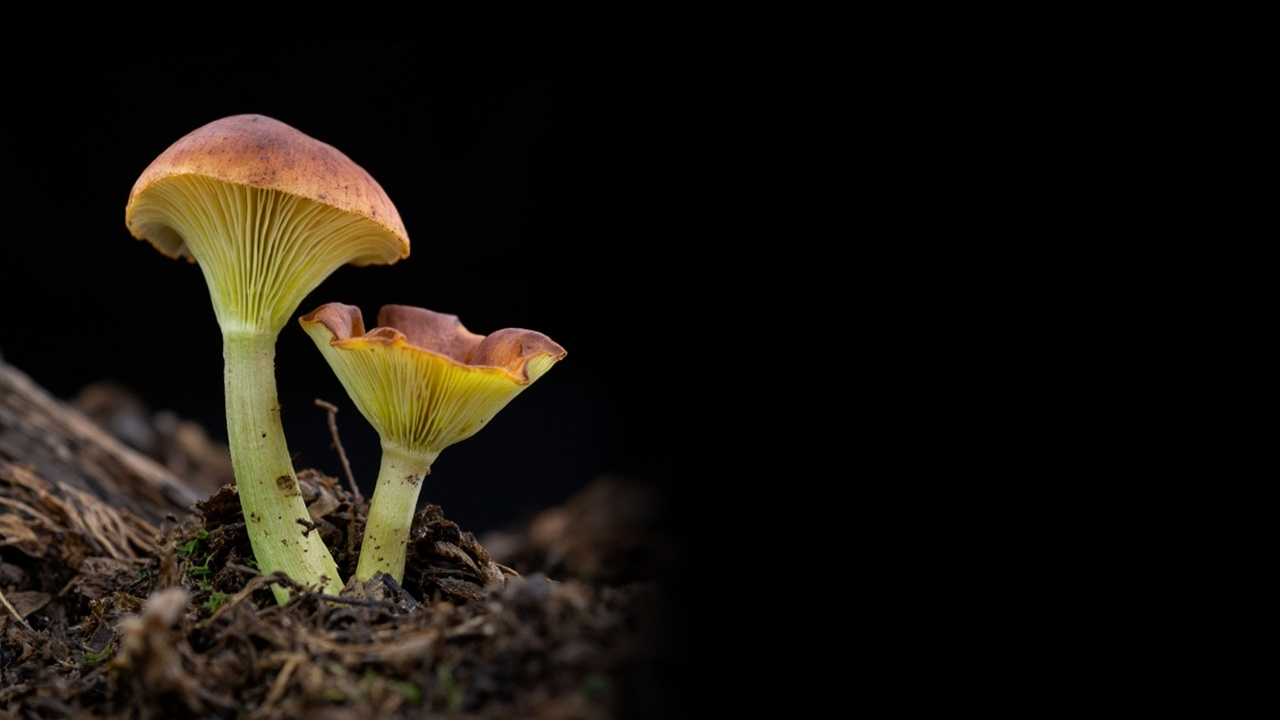
Let's be honest: golden oyster mushrooms are gorgeous. Those bright yellow, cushion-like caps look like something out of a fantasy game. They're also delicious, ridiculously easy to grow at home, and popping up everywhere from farmers markets to specialty grocery stores. What's not to love, right?
Well, quite a bit, according to Michelle Jusino, a forest pathology researcher at the University of Florida. She's been studying something that most home gardeners probably never think about: what happens when your indoor mushroom hobby escapes into the wild?
A Slow-Motion Takeover Happening Right Now
Here's where it gets genuinely unsettling. Around 2010, golden oyster mushrooms started appearing in forests across the United States. We're not talking about a handful of sightings—we're talking about a full-blown expansion that now spans more than 25 states. Back in 2016, they were mostly confined to the Midwest and Northeast. Now? Jusino estimates that fewer than 10 states east of the Mississippi River are still golden oyster-free.
As she put it: "It is slowly marching south, which is really terrifying."
That's a direct quote, and it stuck with me. When a scientist uses the word "terrifying" about a mushroom, you know something's genuinely wrong.
How We Track an Invisible Invasion
One of the coolest parts of this story is how researchers actually found this problem. They didn't use fancy laboratory equipment (well, not only that). They relied on community science platforms like iNaturalist and Mushroom Observer—basically crowdsourced mushroom spotting. Regular people uploading photos of fungi they found helped scientists map out this invasion in real time.
Once they had the data, they dug deeper. In a field study in Wisconsin, researchers examined dead elm trees—some colonized by golden oyster mushrooms, others untouched. Using DNA analysis, they identified all the fungi living in the wood.
The results were startling.
The Ecological Damage Is Real (But Invisible)
Trees overtaken by golden oyster mushrooms had significantly fewer fungal species compared to unaffected trees. Think about that for a second. A single invasive fungus was essentially wiping out fungal diversity—the kind of biodiversity that keeps forests functioning properly.
But here's the really subtle part: when you lose fungal diversity, you're affecting things way beyond what you'd see with your eyes. Fungi break down dead wood. Fungi partner with tree roots to help them absorb nutrients. Some fungi have medicinal properties we haven't even fully explored yet. When an invasive fungus crowds them all out, you're not just losing variety—you're compromising the entire forest's ability to function.
Why This Actually Matters to You (Even If You Don't Garden)
I get it—you might be thinking, "But I don't grow mushrooms. Why should I care?" Fair question.
Here's why: invasive fungi are part of what scientists call the "biodiversity crisis," right alongside invasive plants and animals. But fungi get way less attention because they're small and mostly invisible. You can see an invasive python in the Everglades. You can spot an invasive plant species taking over a meadow. But fungal invasions? They happen silently, underground, reshaping entire ecosystems before anyone notices.
The golden oyster mushroom situation is kind of a wake-up call. We introduced this species—it wasn't some natural migration. People bought grow kits, cultivated them, and then either intentionally or accidentally released them into the wild. A simple human activity that seemed totally benign became an ecological problem.
What We Can Actually Do About It
Jusino and her team are still working on better ways to understand and manage this spread. But the immediate takeaway is pretty straightforward: we need awareness. If you're a mushroom grower, native species are better choices. If you spot wild golden oysters, reporting them on platforms like iNaturalist actually helps scientists track the spread.
More broadly, we need to remember that not everything cultivated stays where we put it. Once something escapes outdoors, even accidentally, it can take on a life of its own—and by then, stopping it becomes exponentially harder.
The Bigger Picture
This whole situation is a perfect example of how ecosystems are interconnected in ways we often don't appreciate until something goes wrong. Fungi might seem insignificant—they're not as charismatic as bears or wolves. But they're absolutely essential to how forests operate.
As we're facing climate change and all its complications, maintaining healthy fungal biodiversity matters more than ever. These microbes help forests adapt and bounce back. When invasive species reduce that genetic and species diversity, we're making forests more vulnerable to whatever comes next.
The golden oyster mushroom story probably won't make headlines the way an invasive snake species might. But maybe that's exactly the problem. The invisible invaders often do the most damage because nobody's paying attention until it's too late.
So next time you see those beautiful golden mushrooms at the market, you'll know the whole story—and you might just appreciate why scientists are quietly sounding the alarm.