
When Hollywood Gets It Wrong (But Scientists Get It Right)
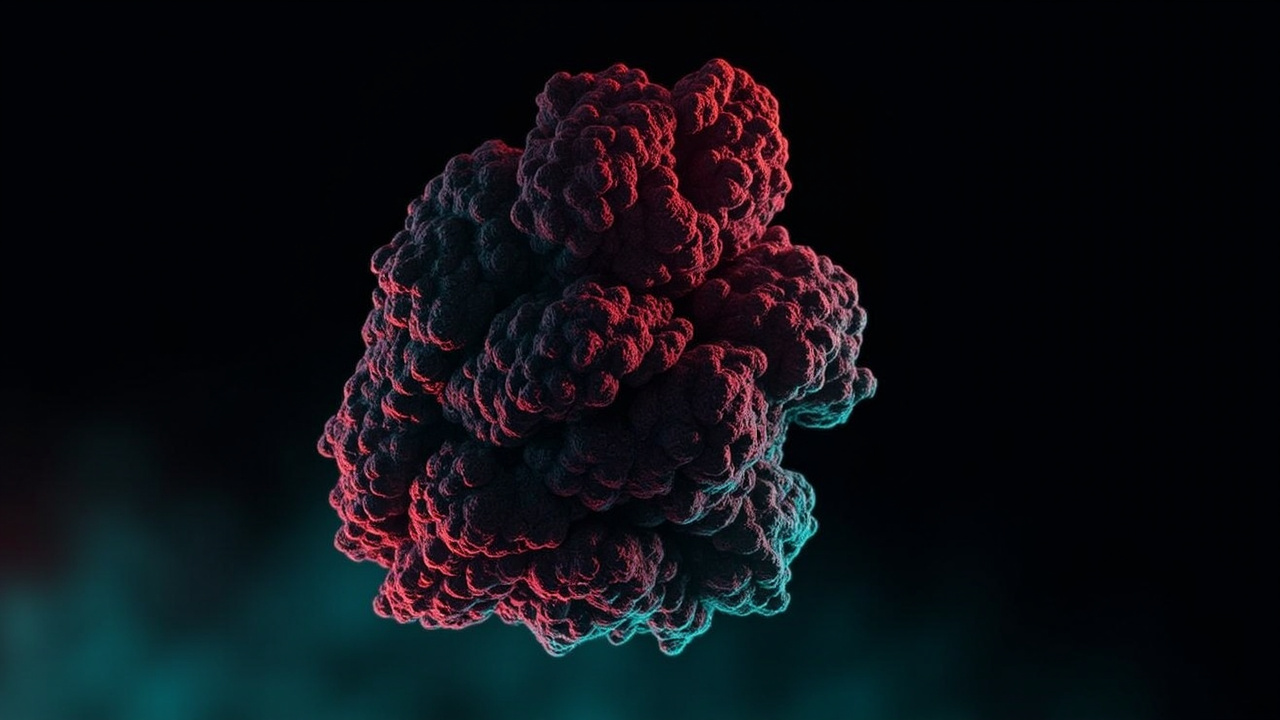
You know that trope in every sci-fi movie where the mysterious black goo is definitely, 100% going to cause problems? Alien, Venom, FernGully—they've all trained us to panic whenever we see something dark and gooey that wasn't supposed to be there. So when Doug Ricketts, a marine superintendent working on a research vessel, found actual black goo inside the ship's rudder shaft in 2025, I'm guessing he had a moment where every horror movie he'd ever seen flashed through his mind.
Here's the thing though: he didn't run away screaming. He collected a sample and brought it to researchers at the University of Minnesota Duluth. And that decision? It led to one of the coolest microbial discoveries in recent memory.
From "Gross" to "Holy Cow, That's a New Species"
When researcher Cody Sheik first looked at the goo under the microscope, he was honestly expecting to find... nothing. Or maybe just some boring, common microbes that had gotten into the system. But nope. The sample—which the team hilariously named "ShipGoo001"—was basically a microbial treasure chest.
What shocked Sheik the most? "The biggest surprise was that the ship goo had life in it at all," he said. But when they analyzed it more carefully, they found not just life, but new life. The DNA was intact enough to sequence, and what they discovered was genuinely unprecedented: one completely new order of archaea (those are ancient-looking microorganisms that are actually pretty different from bacteria) and possibly an entirely new bacterial phylum.
Twenty separate genomes reconstructed from one blob of goo. Let that sink in for a second.
How Did Alien Microbes End Up in a Boat?
Here's where it gets really interesting. These microbes are anaerobic, meaning they don't need oxygen to survive. In fact, they probably actively avoid it. Yet they were thriving inside the rudder of a ship that spends its time sailing through the Great Lakes—you know, where oxygen is literally everywhere in the water.
So what's the explanation? Sheik's best guess is that the microbes were hanging out in a dormant state inside the oil used to lubricate the rudder. They were just... waiting. Sleeping. And then, once they got tucked away in the dark, oxygen-free environment of the rudder shaft, they woke up and threw a party.
It's kind of wild when you think about it. The ship created the perfect incubator for life to flourish in a place where it probably shouldn't exist.
This Could Actually Be Useful (Beyond Just Being Cool)
Here's where it gets even better: some of these organisms produce methane. You know what we can do with methane? Turn it into biofuel. So this random goo that nobody was looking for might actually have practical applications for clean energy production.
But beyond the potential payoff, this discovery highlights something bigger that we don't talk about enough: we spend so much time studying "natural" environments like hydrothermal vents and hot springs that we sometimes miss the bizarre ecosystems hiding in plain sight. Sheik himself is used to exploring extreme environments, but he'd never thought to check out a ship's rudder housing. Why would you?
The Real Lesson Here
What I love most about this story isn't just the discovery itself—it's what it says about the importance of curiosity and exploration in science. Sheik makes a great point: "Scientists don't often have time to be playful—we're focused and have projects to complete. But this shows why it matters."
In a world where research funding is tight and scientists are constantly expected to chase predetermined outcomes, "ShipGoo001" is a reminder that sometimes the best discoveries come from just... looking around. Asking questions. Being willing to follow a weird hunch.
The team plans to release the genome data publicly and publish their findings in a peer-reviewed journal soon, which means other researchers around the world will get to dig into this mystery too. And honestly? That's how science should work.
So the next time you're tempted to panic about some mysterious substance, take a page from Doug Ricketts' book. Bring it to a scientist. You might just discover something that changes what we know about life on Earth.
The Bottom Line
- A boat maintenance worker found black goo in a ship's rudder (very horror movie energy)
- Turns out it contains multiple species of microbes never seen before
- One might be an entirely new order of archaea
- The microbes produce methane, which could have biofuel applications
- This shows why exploratory, curious science matters, even when it seems pointless at the time