
The Submarine Nobody Could Forget
You know, there's something about World War II submarines that just captures the imagination. These brave vessels slipped through dark waters, deep beneath the surface, doing the dangerous work that most of us back home would never hear about until it was over. But every now and then, one story stands out so sharply that it demands to be remembered.
The story of the USS Herring is exactly that kind of story.
A Career Cut Short
The USS Herring (SS-23) wasn't some green rookie when it met its end. No, this submarine had been through eight successful war patrols before June 1944. It had already made quite a name for itself, sinking a French cargo ship in the Mediterranean early in its career, then heading to the Pacific where it sent four Japanese vessels to the bottom.
Just ten days before it vanished forever, the Herring had sunk its final two targets. The Japanese were furious — and they were determined to make someone pay.
That Fateful Morning
Here's where the story gets really haunting. On the morning of June 1, 1944, the crew of another submarine — the USS Barb — heard ominous booms in the distance. They'd actually met up with the Herring the night before, discussing patrol plans via megaphone like something out of an old war movie.
The Barb headed south while the Herring went north toward Matua Island. That was the last time anyone from the Barb ever heard from their comrades.
A Unique Death
This is what really gets me about the Herring's story. During all of World War II, the United States lost 52 submarines. Fifty-two. Each one represents brave men who never came home. But here's the thing — the Herring was the only one destroyed by a shore battery.
Think about that for a second. These subs faced depth charges, mines, aircraft, and torpedoes from enemy ships. But the Herring was done in by artillery fired from land. The Japanese set up heavy guns on the Kuril Islands and fired two shots — one at the conning tower, one at the bow. That's it. Two shots, and 83 men went down with their submarine.
The wreck leaked oil and bubbled for miles before settling onto the ocean floor. No survivors.
The Hunt for Answers
For decades, the Herring remained missing — a ghost haunting the deep Pacific. Then, in 2017, the Russian Geographic Society joined forces with the Russian military and found something. Another expedition returned in 2022, documenting the site and leaving behind a memorial plaque engraved with a fish (the submarine was named after the actual fish, you know) and the simple, powerful words: "God rest their gallant souls."
But here's the thing — they thought they'd found the Herring, but they couldn't be completely sure. The wreck looked right, and the location matched, but confirmation was elusive.
Official Recognition — Finally
It took until June 1, 2026 — exactly 82 years after the Herring went down — for the Naval History and Heritage Command's Underwater Archaeology Branch to officially confirm what everyone hoped was true. This was indeed the USS Herring.
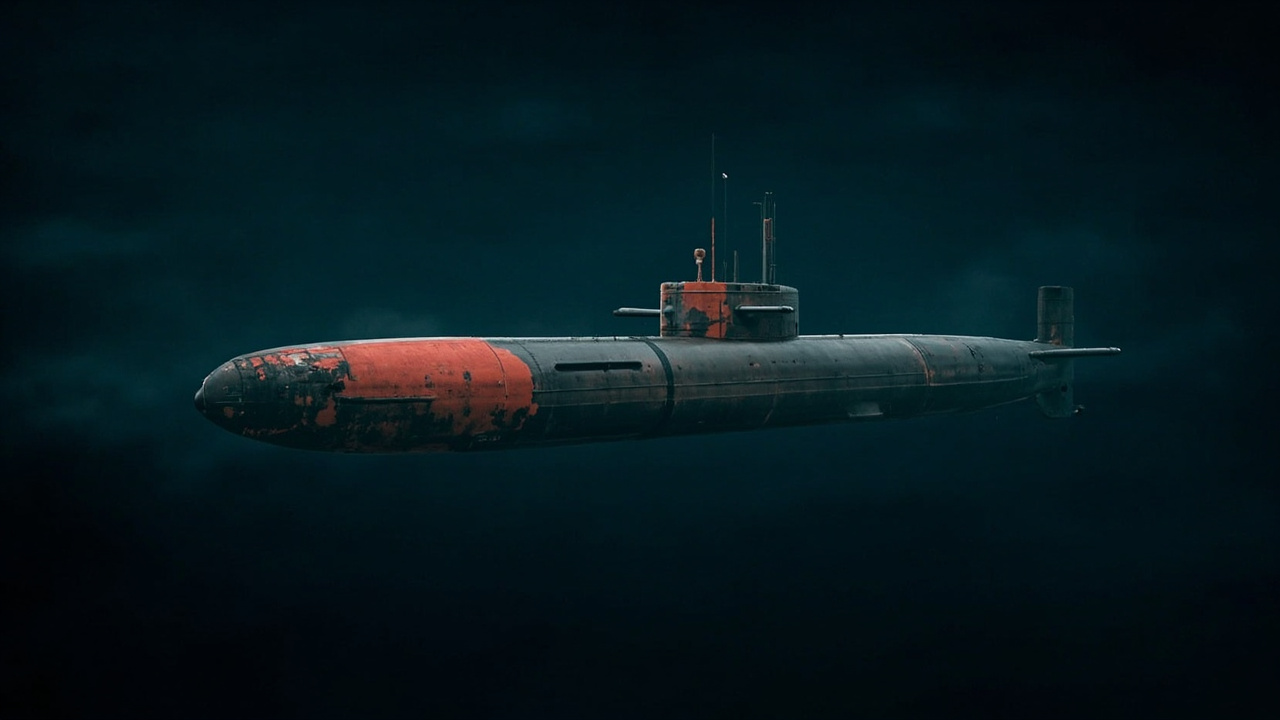
And honestly? I'm glad they're being so careful about it. This isn't just a wreck — it's a gravesite. The Navy recognizes it as such, and that's why the Herring will stay exactly where it is, resting upright on its keel at about 300 feet below the surface. The battle damage at the bow and conning tower is still visible, a permanent reminder of those two deadly shots.
Why This Story Matters
I think about those 83 men sometimes. They weren't just names on a list — they were friends, brothers, fathers. The guy who played cards in the mess. The navigator who always hummed while he worked. They went out on patrol like thousands had done before, confident they'd come home.
They didn't.
And now, finally, their families — and the rest of us — know where they are. The Herring won't be forgotten anymore. It's preserved in the cold Pacific depths, a time capsule of that terrible morning in 1944.
We can study it, honor it, and remember it. But we won't disturb it. Some places belong to the dead.