
The Mystery of the Expanding Waistline
Let me ask you something: have you noticed that your jeans fit differently than they did a decade ago, even though the number on the scale hasn't changed much?
You're not imagining things. And you're definitely not alone.
For years, we've been told that weight gain is simply about calories in versus calories out. Eat less, move more, right? But anyone who's watched their belly grow despite maintaining the same lifestyle knows there's something more going on here.
Well, science might finally have an answer — and it's pretty fascinating.
The "New Fat" Discovery
Researchers at City of Hope, in collaboration with scientists at UCLA, have just published findings that completely change how we understand age-related weight gain. Their research, published in Science, reveals that our bodies don't just enlarge existing fat cells as we age. We're actually manufacturing brand new fat cells, and lots of them.
Think about that for a second. It's not just that your fat cells are getting bigger. Your body is building an entire fat cell factory in your belly.
The culprit? A newly discovered type of stem cell that appears specifically during aging. The researchers call these cells "committed preadipocytes, age-specific" (CP-As for short). And according to this study, they show up right around middle age and start pumping out new fat cells at an impressive rate.
The Stem Cell Surprise
Here's what really caught my attention about this research. Usually, when we talk about stem cells and aging, we hear about how stem cell activity declines over time. Our regenerative abilities slow down, wounds take longer to heal, and recovery gets harder. That's the typical narrative.
But these fat cell precursors? They're basically the opposite. They get more active with age.
The research team tested this by transplanting stem cells from older mice into younger mice, and vice versa. The results were pretty clear: fat stem cells from older animals were prolific fat-makers regardless of where they ended up. Meanwhile, young stem cells stayed relatively quiet even when placed in older animals.
This tells us something important: the problem isn't the environment around the fat cells. The stem cells themselves have fundamentally changed.
The Signal Behind the Scenes
So what flips the switch on these fat-producing machines? The researchers identified a signaling pathway called LIFR (leukemia inhibitory factor receptor) that appears to be the master control here.
In young mice, the body doesn't need this signal to make fat. It happens, but at a controlled, moderate pace. But in older mice? LIFR kicks into gear and tells those CP-A cells to start cranking out new fat cells at full speed.
This is a big deal because it gives researchers a specific target. If we can figure out how to modulate this pathway, we might eventually develop treatments that address the root cause of age-related belly fat accumulation — not just the symptoms.
Why Belly Fat Is Different
Now, I should probably explain why scientists are so focused on belly fat specifically. It's not just about how your clothes fit.
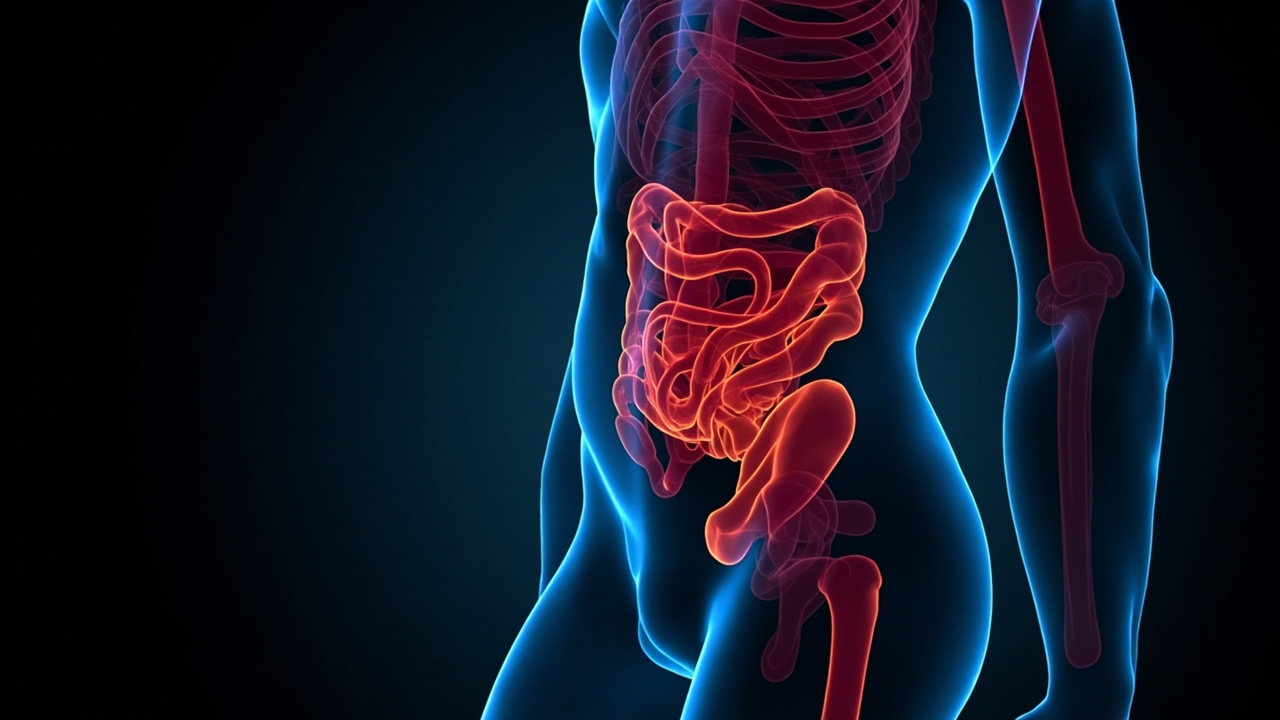
Belly fat, or visceral fat as it's sometimes called, sits deep in your abdomen and wraps around your organs. Unlike the fat that accumulates under your skin (subcutaneous fat), this type is metabolically active and has been linked to increased risks of heart disease, type 2 diabetes, and other chronic conditions.
So when researchers talk about finding ways to reduce belly fat, they're not being vain. They're talking about something that genuinely affects health and longevity.
What This Means for You (and Me)
Let me be real with you: we're not going to see a magic pill tomorrow based on this research. The path from laboratory discovery to actual treatment takes years of additional study and testing. But this is still incredibly exciting.
For one thing, it validates what many of us have suspected: age-related weight gain isn't purely a willpower issue. There are real biological changes happening in our bodies that make this process much easier than it used to be.
It also opens up new avenues for research that could eventually help people struggling with metabolic health issues as they age.
In the meantime, what can we do? Honestly, the boring stuff still matters: staying active, eating whole foods, managing stress, and getting enough sleep. These lifestyle factors won't stop the biological process entirely, but they can certainly help mitigate it.
The Bigger Picture
I love that this research highlights something important about how we think about aging itself. For too long, we've treated age-related body changes as inevitable facts of life that we just have to accept. But science keeps showing us that these processes are driven by specific mechanisms — and where there are mechanisms, there's potential for intervention.
We're living in an exciting era of metabolic research. Every discovery like this one brings us closer to understanding not just how to look better, but how to age healthier.
So the next time you notice your waistband getting a little snug despite your best efforts, remember: it's not you. It's biology. And now, at least, we're starting to understand exactly what that biology looks like.