
Okay, can we just talk about how sometimes the biggest discoveries happen completely by accident?
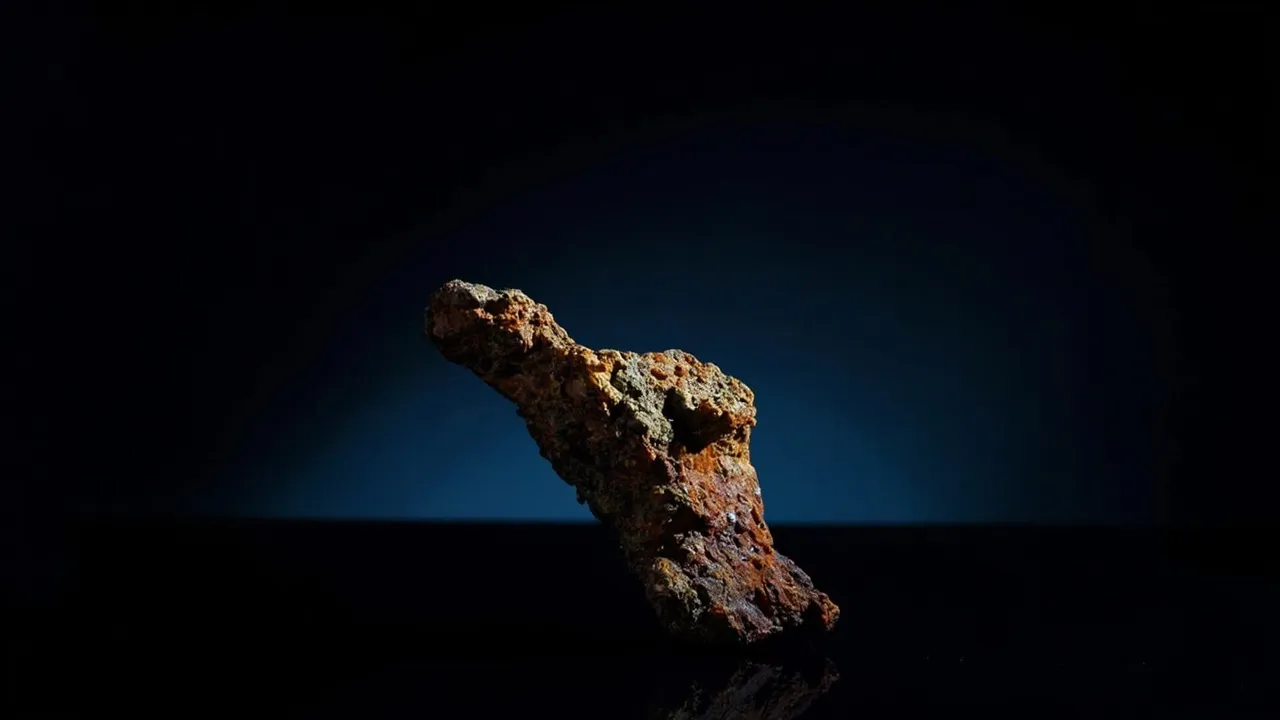
I was reading about this incredible story the other day, and honestly, it read like something out of an adventure novel. Back in 2008, a geologist working for a diamond mining company in Namibia spotted something weird in the sand. It was roughly circular, kind of looked like a rock, but something made him pick it up.
Turns out, it wasn't a rock at all. It was a copper ingot—part of a massive cargo from a Portuguese ship called the Bom Jesus that had been sitting on the ocean floor for nearly 500 years.
A Voyage Gone Wrong
So let me paint you the picture. It's March 7, 1533. The Bom Jesus, a three-masted trading vessel, is leaving Lisbon on what's supposed to be a 15-month journey to gather spices from distant lands. About 300 people are aboard—sailors, soldiers, merchants, priests, and even enslaved people. The captain's name was Dom Francisco de Noronha, and they were all hoping to return wealthy.
But that ship never came back.
Somewhere near present-day Namibia, the Bom Jesus got caught in a storm, drifted too close to the coast, and smashed into some rocks. The cargo scattered along about 16 miles of coastline, and the ship faded into history.
Until, of course, that geologist picked up that ingot 475 years later.
Why This Shipwreck Is Such a Big Deal
Here's what's wild about this discovery: the Bom Jesus is the oldest shipwreck ever found along the sub-Saharan African coast, and according to everything I've read, it was also the richest. archaeologists pulled out 22 tons of copper ingots, plus ivory, gold, and these beautiful old navigation instruments called astrolabes.
The ingots were particularly fascinating because they bore the insignia of Anton Fugger—one of the wealthiest merchants in Europe at the time. Finding his mark on the cargo helped historians piece together the story of who owned this stuff and how it ended up on this ship.
And get this—while some cargo was lost to the sea and time, it seems most of the people aboard actually made it to shore. The only human remains found were a few toe bones inside a shoe, which is kind of poignant when you think about it.
But Here's Where Things Get Complicated
Now, here's the part of this story that makes me a little sad, honestly.
The Bom Jesus was found in something called the Sperrgebiet—which is German for "Forbidden Zone." It's a restricted area because of the diamond mines there, and while that designation has protected the wreck from treasure hunters, it's also created a bureaucratic nightmare.
When the discovery was made, there wasn't even a maritime archaeologist on site. Apparently, someone called one up for advice over the telephone while mine workers tried to figure out what to do. Can you imagine?
And then there's the preservation problem. These artifacts spent nearly 500 years underwater in an oxygen-free environment. When you pull them out into regular air, they start falling apart. It's like how your aunt's apple pie just isn't the same after it's been sitting in the fridge—the conditions matter, people.
The ingots that had these beautiful, prominent Fugger trident stamps on them when they were first discovered? By 2018, those stamps had visibly deteriorated. Some artifacts are still sitting in storage, slowly degrading because there isn't proper funding or facilities to save them.
What Can We Learn From This?
One of the things I find most interesting about this whole story is what the researchers have said about it. They've been very open about the challenges they faced, the mistakes that were made, and the ongoing struggles with preservation.
Their hope is that by talking honestly about what went wrong, future archaeological projects can learn from those lessons. That's honestly refreshing to hear, isn't it? Not pretending everything was perfect, but saying, "Hey, we messed this part up, and here's why, so you don't have to."
There's something almost poetic about it, really. A ship that carried treasure across the ocean 500 years ago has now become a different kind of treasure—a lesson for future generations about how to protect our shared history.
Sometimes the biggest adventures aren't the ones we plan. They start with a geologist picking up what he thinks is a rock on a random Tuesday. And that, my friends, is pretty wonderful.