
When "Being Conquered" Didn't Really Mean What We Think It Means
Remember how history class taught us that the Roman Empire just steamrolled across Europe, turning everyone into Romans? Yeah, well, there's a pretty fascinating exception that's been hiding in plain sight—literally buried in the Swiss Alps.
A historian named John Ma at Columbia University recently published research suggesting that a group called the Helvetians didn't actually get absorbed into Rome the way we've always assumed. Even though they were technically part of the empire, they were running their own show. And I mean really running their own show—with their own military, their own government, and their own paychecks for soldiers.
Finding the Evidence
Here's where it gets interesting. Most archaeologists had been digging up artifacts in Switzerland and going, "Oh, this is Roman stuff, so this must be a Roman military outpost." Pretty logical, right? But Ma looked at the same evidence and asked a different question: What if the Romans weren't actually calling the shots here?
The breakthrough came from piecing together a few things:
An old Roman account: A historian named Tacitus wrote about a battle around 69 C.E. where he described the Helvetians protecting a fort with their own soldiers. He even mentioned that Romans tried to grab money that was supposed to pay the Helvetian garrison. That's a pretty big clue that Helvetians were independently funding their own military.
Actual treasure: In 1948, someone dug up a grave in the area packed with weapons, military gear, and coins. The coins are especially telling—they were probably used to pay soldiers. The fact that there's a whole stash of payment currency suggests a sophisticated administration system running locally.
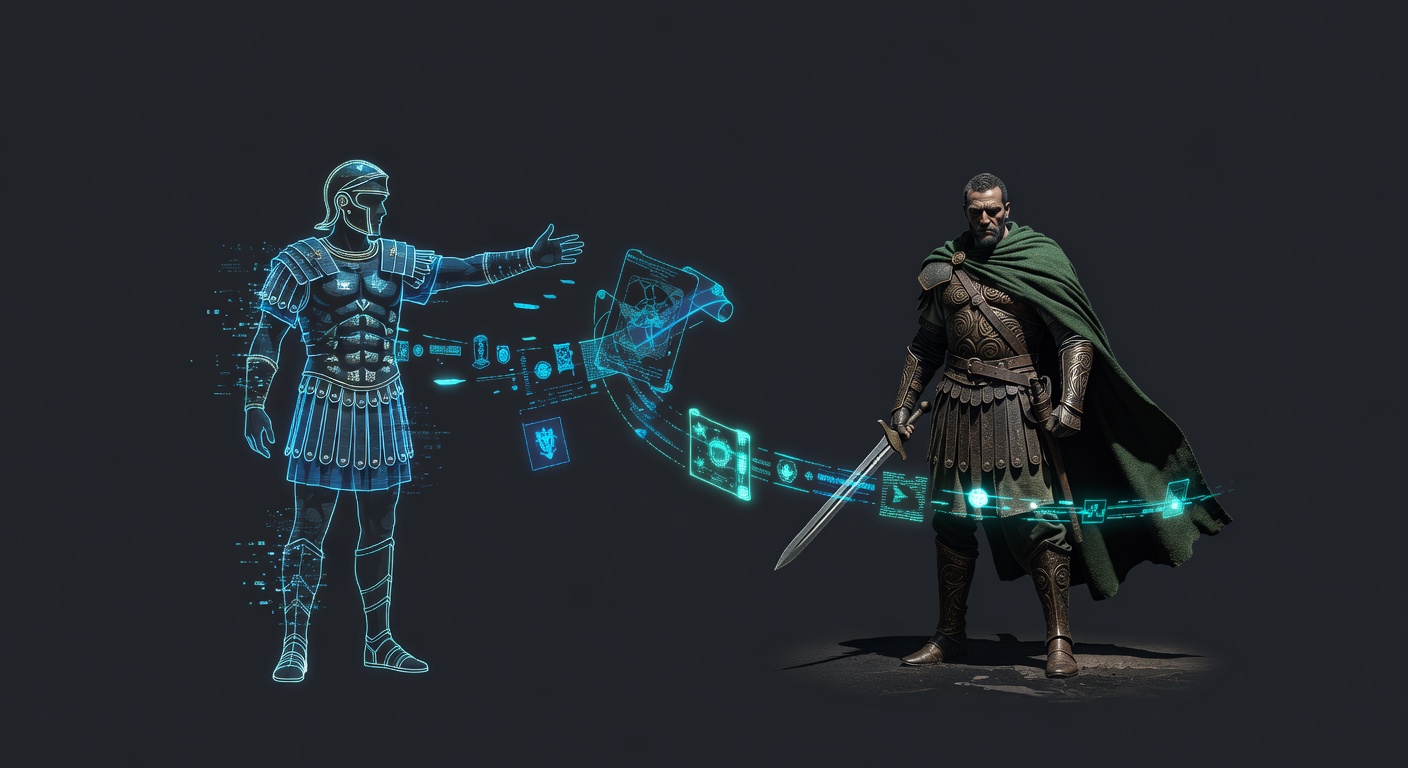
The evolution of style: Over time, Helvetians adopted Roman fashion in their military gear. They wore Roman-style swords, Roman belts, the whole aesthetic. But here's the key insight—just because they started dressing like Romans doesn't mean they became Roman. It's more like they updated their wardrobe while keeping their independence.
The Real Story Nobody Saw Coming
What Ma is arguing is pretty revolutionary for how we understand Rome: the empire didn't always work like a top-down dictatorship. At least in Gaul (modern-day France and Switzerland), there were these administrative districts called civitates that were often based on ancient Celtic tribes. And instead of Rome replacing their entire system, these communities got to keep a surprising amount of control.
The Helvetians maintained what you could call "state-like capacity" within the empire. They could:
- Raise their own military forces
- Equip and supply those soldiers
- Pay them from local money
- Make decisions about local defense
- Run their own administrative affairs
The Romans didn't show up and say, "You're our colony now, do what we say." Instead, it was more like: "We're the big empire, but you can keep your government and your military. Just don't cause trouble, and we're cool."
When Conquest Isn't Actually Conquest
What I find mind-blowing about this research is how it changes our whole framework for understanding imperial power. We usually think of empires as these crushing forces that squash everything in their path. But the Helvetians show us something different—they're proof that Rome sometimes worked through existing power structures rather than replacing them.
The Helvetians literally had their own independent budget to pay soldiers. They made autonomous decisions. They preserved their political identity. Yet historians have been calling them "conquered" this whole time because they technically fell under Roman authority.
It's kind of like if your country joined a federation but got to keep running its own military, collect its own taxes, and make its own laws. Are you really conquered? Or are you in a partnership that heavily favors the federation?
Why This Matters Now
This discovery matters because it suggests the Roman Empire was way more sophisticated and flexible than we've given it credit for. Instead of a brutal one-size-fits-all occupation system, Rome seemed to understand that letting local communities keep some autonomy actually made everything work better.
Ma's research also implies that the Helvetians probably weren't unique. There could be countless other communities buried in the archaeological record that similarly maintained independence while being technically part of Rome. We just haven't been asking the right questions about the evidence we've already found.
The Helvetians remind us that history is often more nuanced than our textbooks suggest. Sometimes the conquered people weren't really conquered. Sometimes they just dressed in the fashion of their powerful neighbor while keeping their freedom tucked safely away.
And that, honestly, is a pretty clever strategy.