
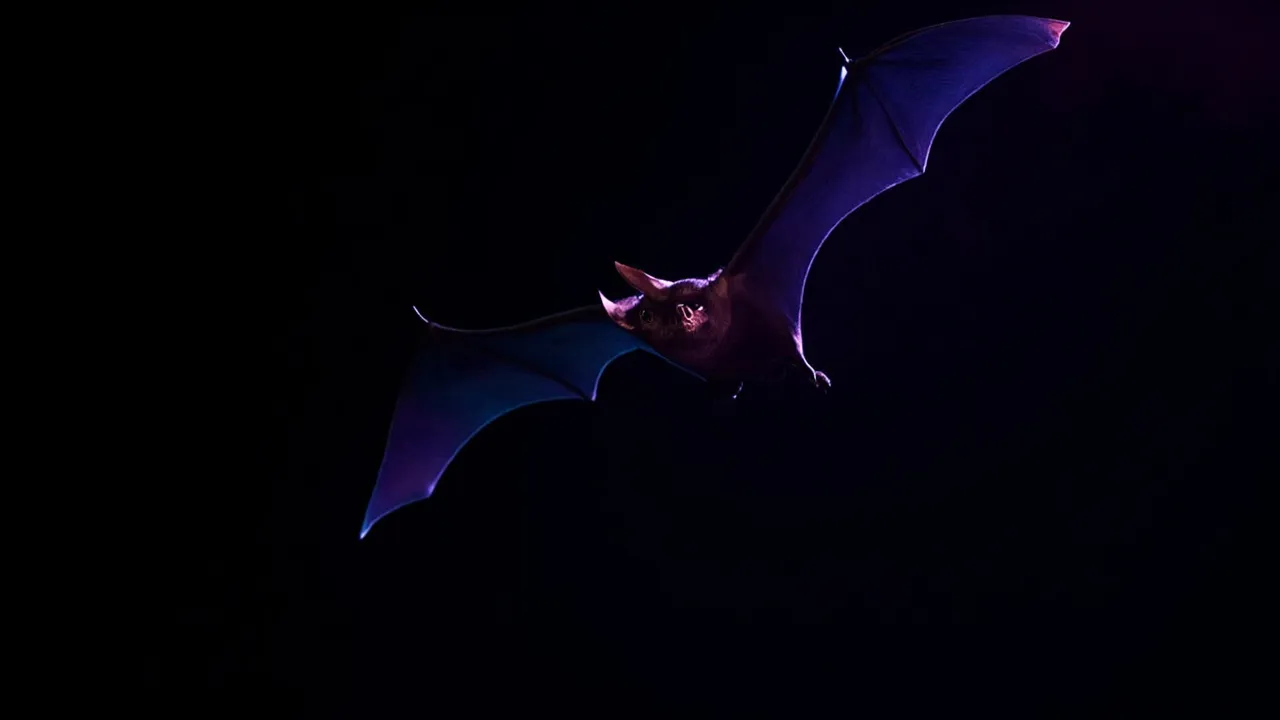
Okay, I need to tell you about something that happened in the world of science recently, and it's honestly one of the coolest things I've come across in a while.
Bats are weird. Like, really weird. And I say that with love.
For years, scientists have been scratching their heads about why bats seem to shrug off viruses that would absolutely wreck us. I mean, we're talking about creatures that carry Ebola, SARS, and Marburg — scary stuff that sends humans to the hospital (or worse) — but bats just... carry them. No big deal.
So what's their deal?
Well, researchers at Tulane University, working with folks from Stanford and the CDC, might've just found a piece of that puzzle. And it's honestly fascinating.
Here's the deal: Every mammal we know about — humans, dogs, cats, whales, literally all of them — has one set of genes that produces the heavy chains of our antibodies. Think of antibodies as the little warriors your immune system sends out to find and neutralize invaders.
Bats? They've got two.
Not one. Two completely separate systems for making these antibody heavy chains. It's like finding out your neighbor has two kitchens for no apparent reason — it shouldn't work that way, but somehow it does, and it's pretty incredible.
The scientists made this discovery while studying vesper bats, which is the largest bat family out there with over 500 species spread across every continent except Antarctica. That's a lot of bats, and apparently, they've been hiding this secret from us the whole time.
"This completely changes our understanding of how mammalian immune systems can be organized," said Hannah Frank, one of the researchers. And honestly? I believe her.
Now, here's why this matters so much.
The fact that bats can essentially "have more options" when building antibodies might be exactly why they can live alongside viruses that would kill us. It's not that they're superhuman — it's that they have more tools in their toolkit.
What's really cool is that scientists have mostly been focusing on the innate immune system in bats (the general, first-line-of-defense stuff). But this new research suggests we should also be paying way more attention to the adaptive immune system — the part that makes those specialized antibodies.
Does this discovery completely solve the mystery of why bats are such effective viral reservoirs? Not quite. But it opens up a whole new direction for research, and honestly, that's exciting.
Here's the bigger picture for me: We've learned SO much about immunity from studying humans and lab mice. Which makes sense — we're humans, we study us. But the natural world is endlessly creative in how it solves problems, and every species we study teaches us something new.
Bats have been flying around for about 50 million years. They've evolved alongside countless viruses, and somewhere in that time, they figured out how to coexist with pathogens that terrify us.
Maybe — just maybe — understanding their trick could help us get better at handling our own battles with disease.
And that, to me, is pretty amazing.