
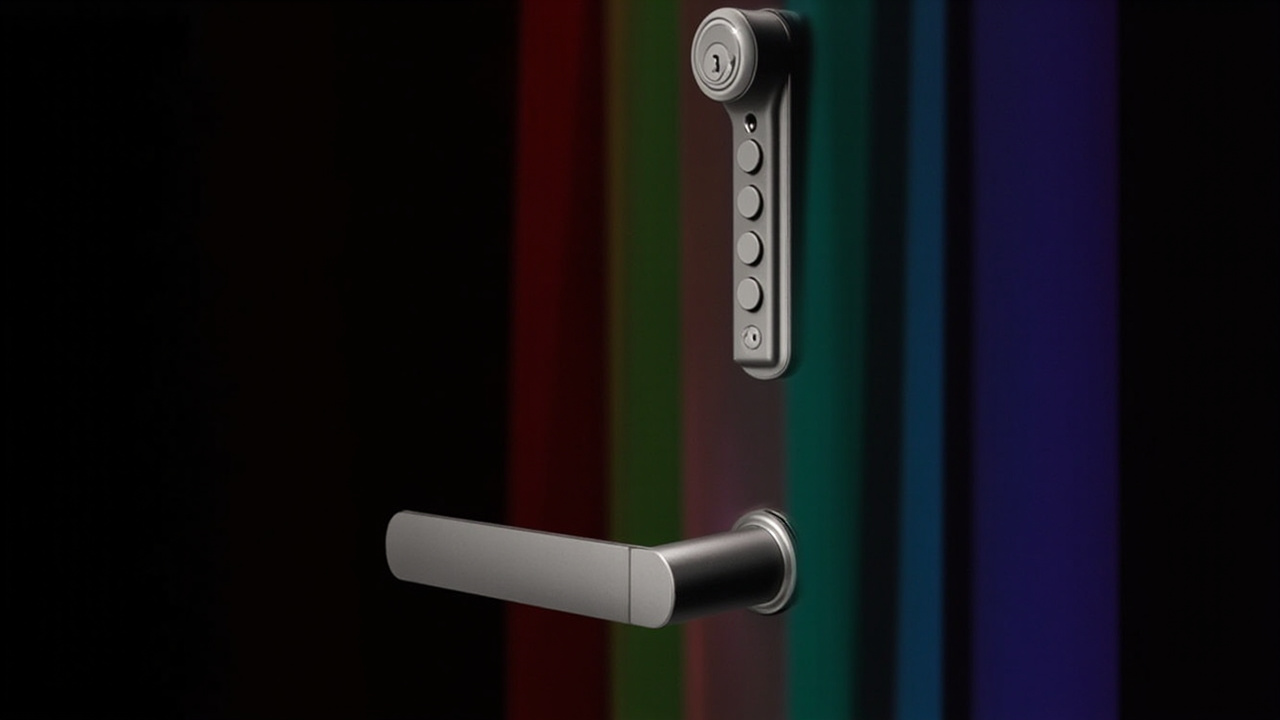
When a Smart Device Actually Just... Works
Here's something that probably sounds weird coming from a tech enthusiast, but I'm genuinely tired of smart home devices. Don't get me wrong—controlling lights from the couch is great, and scheduling my robot vacuum while I'm out is genuinely convenient. But the endless apps, the mysterious protocols, the constant tweaking? It's exhausting.
So when I got my hands on the Schlage Arrive, I went in with lowered expectations. I assumed it would be another gadget that looked cool in theory but turned into a frustrating hassle within a week. Spoiler alert: it's not.
The Real Test of Simplicity
You know what made me a believer? My daughter using it without any help or questions.
She walks home from her friend's house, punches in her code, and unlocks the door. No fumbling. No confusion. No needing me to troubleshoot some weird app notification. If a four-year-old can use something intuitively, you've basically cracked the code on simplicity—literally, in this case.
That alone tells you everything you need to know about this lock's design philosophy. It's not trying to be flashy or packed with unnecessary features. It just wants to do one thing really well: let you in when you have the code.
Installation That Doesn't Require a Degree
I genuinely delayed setting this up because I expected a nightmare. You know, one of those projects where you're holding pieces with one hand, fumbling with screws with the other, and questioning every life choice that led you to this moment.
Nope. Twenty minutes. Phillips head screwdriver. Done.
The exterior part slides onto your door and grips it securely, so there's no awkward balancing act. Toss in four AA batteries (which apparently last around six months), scan a code with your phone, and the Schlage Home app does the heavy lifting for Wi-Fi setup. And here's the kicker—no hub required. No mysterious box plugged into an outlet somewhere humming away. Just the lock doing its thing.
Why Buttons Beat Touchscreens (and This is Actually Important)
I have other Schlage smart locks with touchscreens scattered around my house. They look fancier, no question. But there's this nagging doubt every single time I use one: Did I actually press that number, or am I going to stand here for an awkward three seconds before the lock times out on me?
The Arrive ditches the touchscreen entirely for old-fashioned rubber buttons with actual texture. You can feel them. You can press them in complete darkness while wearing winter gloves, and you'll know exactly what you're doing. Your first press wakes up the keypad and counts as input—no extra ceremonial "wake-up" tap required.
For my daughter, this difference is massive. She struggles slightly with the more finicky touchscreens, but these buttons? She nails it almost every time because she gets that tactile feedback telling her the press registered.
There's also something quietly brilliant about the security angle here: touchscreens leave those greasy fingerprint smudges that basically advertise which numbers are in your code. Rubber buttons? They stay clean and anonymous.
Remote Access That Actually Makes Sense
Built-in Wi-Fi means you can lock and unlock from anywhere using the app. Recently, we had a neighbor water our plants while we were traveling, and instead of going through the usual song-and-dance of hiding a spare key somewhere, I created a temporary access code that automatically expired after a set window.
I got notifications when they arrived and left. I could confirm they locked up behind them. It felt weirdly futuristic but also... reassuringly simple.
The system supports up to 250 different codes, which is overkill for most people, but brilliant if you're managing a rental property or juggling multiple service people. You can set codes as permanent, one-time-use, or recurring (perfect for that dog walker who comes every Monday and Wednesday from 9 AM to noon).
The app itself isn't winning design awards—it's functional, a bit clunky, honestly—but once you figure out where everything is, it does the job. You can also use Alexa or Google Home for voice commands if that's your thing, though I haven't felt the need.
The Trade-Offs (and Whether They Matter)
The Arrive doesn't have a physical alarm that goes off if someone tries to force the lock. It also lacks a door sensor, so if you set it to auto-lock and the door is still open, it'll lock anyway (which is weird). And if you're deep in the Apple ecosystem, you won't get the fancy iPhone or Apple Watch unlock feature.
Here's my take: none of that is worth the extra hundred bucks you'd spend jumping up to the Encode model. An alarm sounds nice, but this lock isn't trying to be a security fortress. It's trying to be simple, accessible, and reliable—and it nails that assignment.
The Verdict
Smart home devices should make your life easier, not give you another project to manage. The Schlage Arrive actually understands that. It's the rare gadget that genuinely simplifies things, and the fact that my four-year-old doesn't need a tutorial to use it? That's not a cute anecdote. That's the ultimate sign of thoughtful design.
If you're looking for a smart lock that won't give you a headache, this is genuinely worth your consideration.
Source: https://www.popularmechannel.com/technology/security/a71253057/schlage-arrive-electronic-deadbolt-review