
The "Quiet Soldier" Myth (Spoiler: It's Wrong)
Okay, confession time. I love history, but sometimes history gets it wrong. Or at least, it only tells us part of the story.
Take Shadrack Byfield. If you've heard of him, you probably know him as the stoic British soldier who fought in the War of 1812, got his arm blown off, buried the darn thing properly (because dignity matters, even for dismembered limbs), and then quietly got on with his life.
Neat story, right? Very tragic. Very dignified.
Here's the problem: it's basically a lie.
Not intentionally, mind you. Historians just... didn't have all the facts. But thanks to some recent archival detective work, we're finally getting the real Shadrack Byfield back. And honestly? He's so much more interesting than the one-dimensional hero we thought we knew.
The Arm Incident (Yes, Really)
Let me quickly recap the famous part, because it is pretty remarkable.
Byfield was serving with the 41st Regiment of Foot in Canada when a musket ball shattered his left forearm in 1814. The injury was bad enough that surgeons had to amputate the lower part of his arm—without anesthesia, because that was just how things were in the 19th century.
Now, after the amputation, a medical orderly apparently tossed the severed limb onto a nearby dung-heap. Can you imagine? Your body part, just... sitting there in the mud.
Byfield was having none of it. He retrieved his arm and insisted on giving it a proper burial. According to his own account, he nailed some boards together to make a makeshift coffin and buried that arm with actual dignity.
That's pretty remarkable. But here's what the textbooks don't tell you: this was a man who was angry. Not just sad, not just resigned—actually furious that his body part was being treated like garbage.
And that fire? It never really went out.
The Memoir Nobody Knew Existed
For years, historians thought they had Byfield's story pretty figured out. He'd published a memoir about his wartime experiences (which became valuable to researchers studying the War of 1812), and everyone assumed that was basically the end of the tale.
Then Dr. Eamonn O'Keeffe from Cambridge University went digging.
He found something remarkable: Byfield's second memoir, published in 1851, titled "History and Conversion of a British Soldier." This thing had basically vanished—until O'Keeffe tracked down what appears to be the only surviving copy in a library in Cleveland, Ohio. (How's that for a journey? From a Wiltshire soldier to sitting in an American archive.)
This memoir opened up decades of Byfield's life that nobody knew anything about. And surprise, surprise—decades of conflict, pain, and stubbornness.
What Was He Actually Like?
Here's the thing that really got me. Byfield wasn't quiet. He wasn't stoic. He wasn't the kind of guy who accepted injustice with a stiff upper lip.
He was annoying.
And I mean that as a compliment, honestly.
When an employer tried to pay him less because he only had one arm, Byfield fired back: "I never saw the man that would compete with me with one arm." That's not the words of someone who quietly accepted his lot in life. That's someone who was tired of being underestimated.
When chronic pain from his war wounds left him unable to lift his hand to his head or hold a teacup for nearly three years, he wrote about it with frustration. Not self-pity—just honest anger at what his body had become.
And when he believed people were using his disability as an excuse to cheat him? Oh boy.
The Chapel Brawl
This is my favorite part, and I genuinely can't believe it's not in more history books.
In his 60s, Byfield got tangled up in some kind of fierce dispute among Baptists in his village in Gloucestershire. The details are murky, but the situation got heated enough that Byfield was accused of cutting someone across the face with his prosthetic arm.
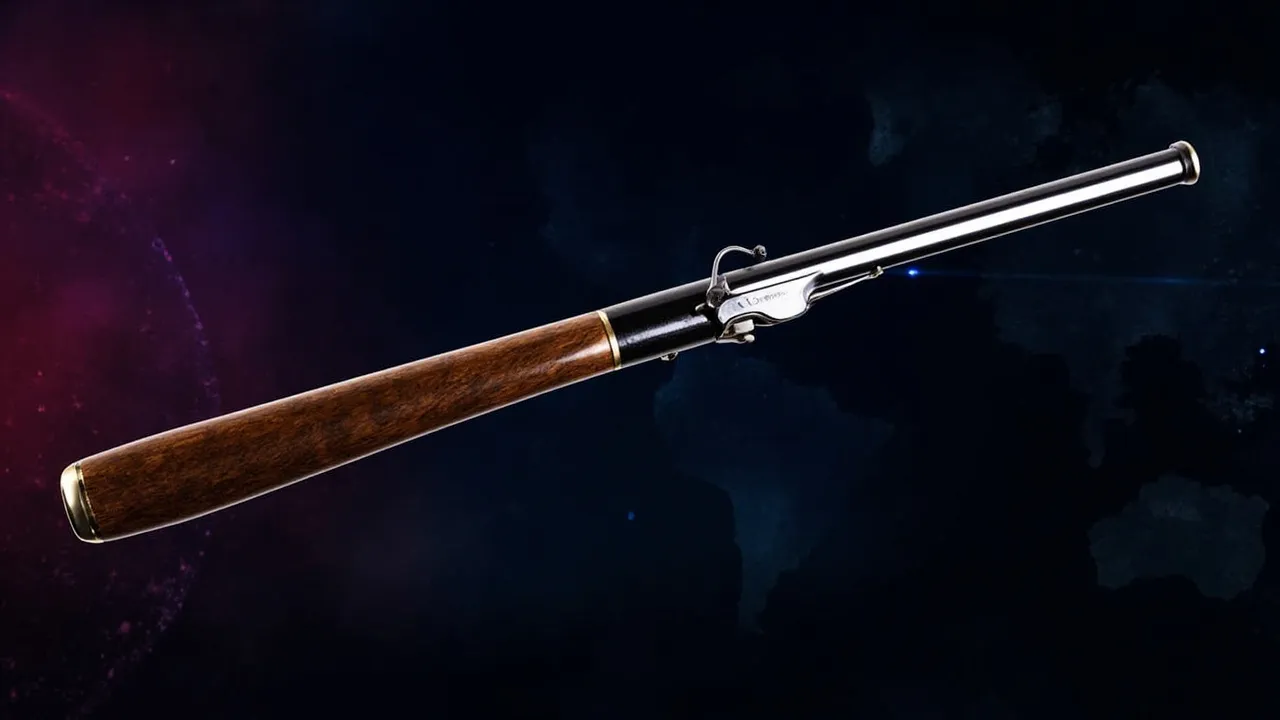
His prosthetic arm had an iron crook on it. So yes: a veteran allegedly whacked someone with his fake arm during a church fight.
I don't know about you, but I think that's magnificent.
There are even reports that Byfield was accused of threatening to shoot people. Whether those accusations were true or just village gossip gone wild, who knows? But Byfield himself described being pushed around and spat on by people who he believed were trying to provoke him into violence so they could take away his pension.
This is not a man who went quietly into the night.
Why Does This Matter?
Here's what strikes me most about this story.
History loves its heroes clean and simple. We want soldiers to be brave and stoic. We want veterans to be grateful and quiet. We want people who suffered to have suffered nicely, without too much anger or messiness.
But real people don't work that way.
Shadrack Byfield lost his arm in battle. He spent years fighting for a pension that was probably too small. He struggled with constant pain. He dealt with employers who tried to take advantage of him and neighbors who apparently didn't like him very much.
And you know what? He got angry about it. He fought back. He wrote angry letters. He got into fights. He refused to be the humble, grateful, quiet veteran that history wanted him to be.
That's not a flaw in his character. That's just... being human.
A Different Kind of Hero
I think we need more heroes like this. Not the marble statue kind who never complain or get upset. The real kind. The kind who bury their own arms because nobody else will, and then spend the rest of their lives refusing to be treated like garbage.
Dr. O'Keeffe put it well when he said this discovery provides "remarkable insight into the suffering and resilience of Britain's homecoming soldiers."
Suffering and resilience. Not one or the other. Both at once. Messy and human and complicated.
Shadrack Byfield didn't die around 1850 like historians assumed. His story continued for more than two decades beyond that date—and by all accounts, those weren't quiet years.
He was a fighter. He was stubborn. He was probably exhausting to deal with sometimes.
And honestly? More power to him.
Sometimes the most remarkable people in history aren't the ones who suffered quietly. They're the ones who refused to stay silent.