
markdown formatted blog content
Okay, this is one of those studies that made me stop and re-read it three times because the findings are so genuinely strange.
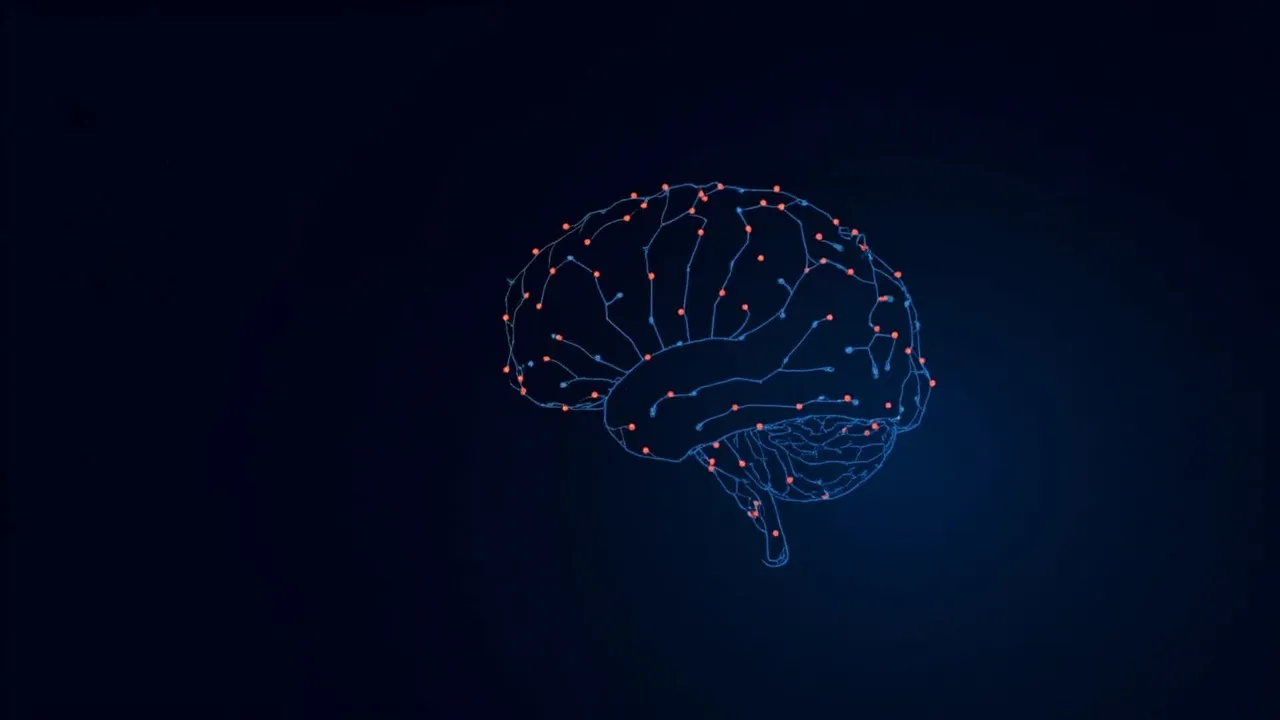
Researchers at Kyoto University were looking at something called "traveling waves" in rat brains—these are electrical ripples that propagate across different parts of the brain, essentially carrying information from one region to another. They compared rats when they were awake versus when they were under anesthesia, hoping to understand a bit more about what consciousness actually does to our brains.
Here's what they found, and this is the part that made my brain do a little flip: when the rats were unconscious, their brains had more transfer entropy—that's a fancy term for measuring how information flows between different brain regions. So in a sense, the unconscious brain is actually busier, producing more information traffic.
But—and this is the crucial part—all that activity was chaotic and messy. Think of it like a room full of people all talking at once over each other. There's a ton of noise, but good luck extracting any meaningful conversation.
When the rats were awake, however, something beautiful happened. The information flow became precise and organized. The brain was essentially acting like an "informational tuner"—picking out specific signals from the chaos and directing them along clear pathways.
The research team put it this way: the awake brain excels at "reliability and precision" rather than just raw quantity. It's not about having more information; it's about making that information useful.
This actually makes a lot of sense when you think about it from an evolutionary perspective. Consciousness isn't just about being "turned on"—it's about being selective. Your brain is constantly bombarded with sensory information, and being awake means you can focus, prioritize, and actually make sense of what's coming in.
Here's what I find particularly fascinating: this study suggests that consciousness might be less about creating something new and more about filtering and organizing what already exists. Your waking mind isn't necessarily producing more brain activity—it's curating it.
The researchers acknowledge they haven't uncovered the exact biological mechanisms behind this phenomenon, and they hope future studies will help explain exactly how the brain performs this "informational tuning." But for now, I think there's something almost poetic about this finding. Consciousness, at its core, might be about bringing order to chaos—not through brute force, but through elegant selection.
And honestly? That's kind of beautiful. Every moment you're awake and aware, your brain is performing this incredible feat of organization, filtering out the noise to help you make sense of the world. We take consciousness for granted, but underneath it all is this sophisticated system of information management that we barely understand.
So next time you're struggling to focus or feeling overwhelmed by information, remember: your brain is literally doing what it's designed to do—trying to tune in to the right signal and tune out the static.