
The Ocean's Secret Pharmacy (That We Almost Missed)
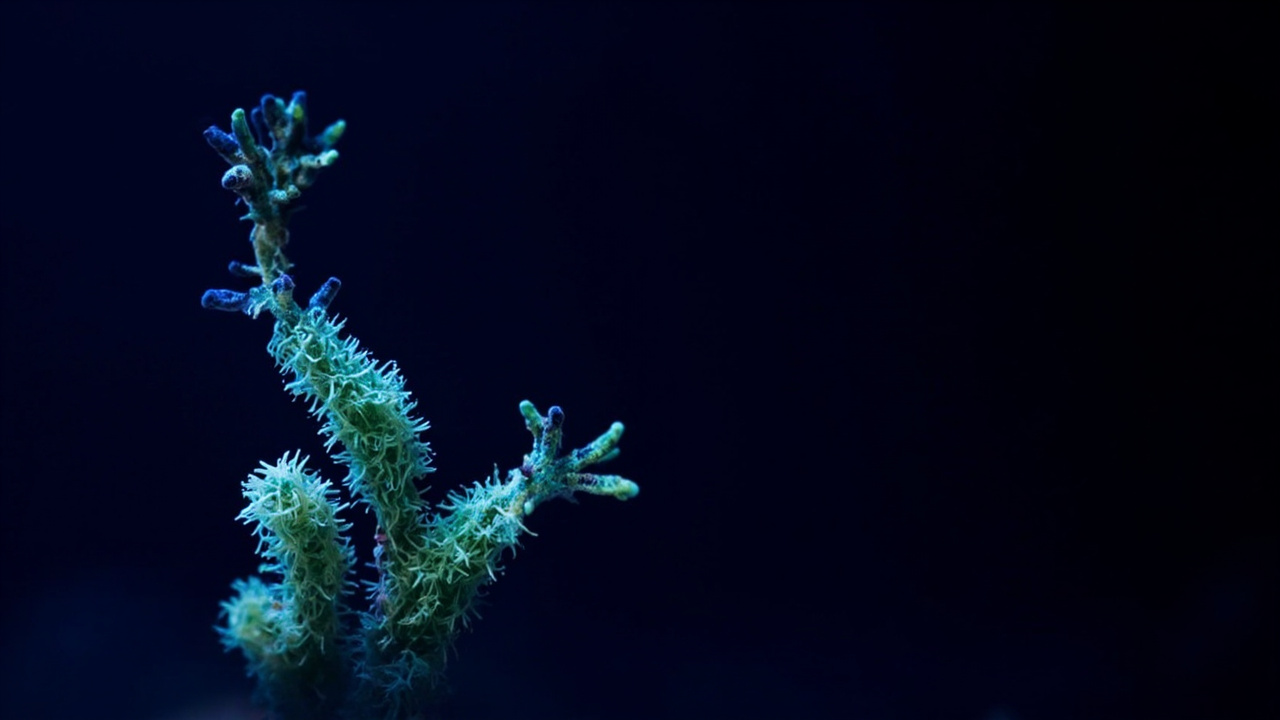
Have you ever thought about what lives inside a coral? Most of us picture the colorful fish darting around, the sponges, the sea plants. But researchers just discovered that coral reefs are basically teeming with microscopic life we've barely even looked at—and some of these tiny organisms might be sitting on cures for diseases we haven't even developed treatments for yet.
This isn't hyperbole. An international research team led by scientists at the University of Galway analyzed nearly 100 coral reefs across the Pacific and found something pretty staggering: over 600 species of microbes that had never been genetically documented before. That's 99% of what they found—completely new to science.
Why This Actually Matters
Here's where it gets interesting. These microbes aren't just hanging out in coral for fun. They're producing chemicals—bioactive compounds, to get technical—that could be useful for medicine, agriculture, and industrial biotechnology. We're talking about potential drug ingredients that evolution has been perfecting for thousands of years, just... sitting there in the reef.
The researchers found that coral-associated bacteria have an incredible ability to synthesize natural compounds. In fact, when they compared the genetic instructions (biosynthetic gene clusters) for making these compounds, coral microbes had way more than anywhere else in the ocean. We're talking about a chemical diversity library that rivals traditional sources like sponges, which researchers have mined for pharmaceutical compounds for decades.
The Problem Nobody's Talking About
Here's the frustrating part: when we lose coral reefs—and we're losing them fast—we're not just losing pretty underwater scenery or fish habitat. We're losing an entire pharmacy worth of undiscovered molecules. Every reef that bleaches and dies could be taking potential cancer drugs, antibiotic compounds, or anti-inflammatory treatments with it.
And our understanding of what's actually there? It's embarrassingly incomplete. Of the thousands of microbial species identified, only 10% have any genetic information available. Less than 1% of the newly discovered microbes have actually been studied. We're basically destroying a library without even reading most of the books.
What These Microbes Actually Do
So what's going on inside a coral? The coral hosts this tight-knit community of bacteria, fungi, viruses, and algae that scientists call the "holobiont"—basically a living system within the organism itself. These microbes help the coral survive, function, and thrive. Some produce protective compounds. Some help with nutrition. Some create the complex chemistry that could unlock breakthroughs we haven't even imagined yet.
One particularly exciting find? Scientists discovered unusual bacteria (like Acidobacteriota species) living with corals that produce enzymes with serious biotechnology potential. These aren't organisms we've studied before. They're new players in the game, and we have no idea what they're capable of.
The Wake-Up Call We Need
The research team is pretty clear about what this means: protecting coral reefs isn't just an environmental good feeling anymore. It's a practical, scientific imperative. Every species we lose takes its genetic code with it. Every barrier reef that dies is a potential pharmaceutical breakthrough we'll never have.
The silver lining? The team isn't just publishing findings and calling it a day. They're heading to Papua New Guinea this year to continue the work, specifically looking at why some corals are more resilient to climate change. Understanding that resilience—and the role these microbes play in it—could be key to saving reefs while we still have time.
The Real Message Here
What gets me about this research is that it perfectly illustrates why biodiversity matters in ways we don't always appreciate. We tend to think about saving nature for nature's sake, but the truth is simpler: we don't even know what we're throwing away. The next antibiotic, the next cancer drug, the next biotech breakthrough—it might already exist, living in a coral reef somewhere, waiting to be discovered.
We're literally in a race against ourselves. The clock is ticking on both the coral and our opportunity to understand what lives inside it.