
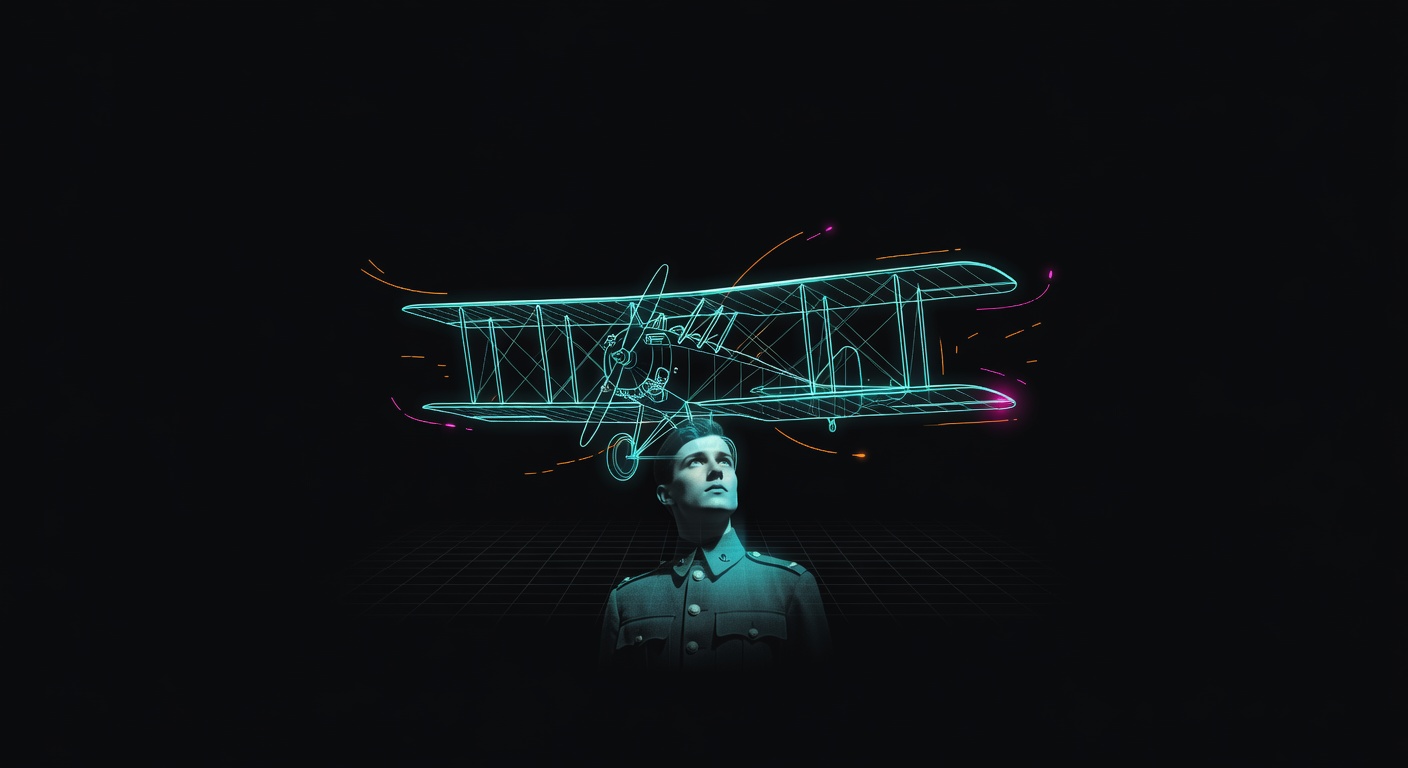
When Flying Was a Death Wish
Picture this: it's 1908, and airplanes have only existed for five years. These contraptions are basically wooden frames held together with wire, fabric, and hope. Yet brave souls are climbing into them, knowing full well they might not come back down in one piece.
That's exactly what Lieutenant Thomas Selfridge did on September 17, 1908, at Fort Myer, Virginia. And sadly, he made history for all the wrong reasons.
A Pioneer with Passion
Thomas Selfridge wasn't just some reckless thrill-seeker. This 26-year-old Army officer was genuinely fascinated by aviation and deeply committed to advancing military flight capabilities. He'd already made significant contributions to early aviation, including work with Alexander Graham Bell's Aerial Experiment Association.
Think about the mindset required here. In 1908, cars were still relatively new, and suddenly these guys are saying, "You know what? Let's strap wings to an engine and see what happens." The sheer audacity is remarkable.
The Fatal Flight
On that fateful September day, Selfridge was a passenger in a Wright Flyer piloted by Orville Wright himself. They were conducting demonstration flights for the U.S. Army, which was considering purchasing aircraft for military use.
Everything started normally. The plane took off, circled the field, and was preparing to land when disaster struck. A split propeller blade caused the aircraft to nose-dive from about 75 feet—not very high by today's standards, but more than enough to be deadly in 1908.
The Ripple Effects
Orville Wright survived with a broken left leg and hip, but Selfridge suffered a fractured skull and died within hours. Just like that, aviation had its first fatality.
What strikes me most about this story is how it could have easily ended military interest in aviation altogether. Instead, it highlighted the need for better safety measures and more rigorous testing. The Army didn't abandon aviation—they doubled down on making it safer.
Why This Matters Today
Every time we buckle into an airplane seat and barely think twice about hurtling through the sky at 500 mph, we owe a debt to pioneers like Selfridge. These early aviators literally risked everything so that future generations could travel the world safely.
It's sobering to think that commercial aviation, which we now consider incredibly safe, was built on the sacrifices of people who knew they were playing with fire—or in this case, playing with gravity.
Thomas Selfridge's legacy isn't just about being "the first." It's about the courage to push boundaries, even when the stakes are life and death. His sacrifice helped pave the way for the incredible safety record that modern aviation enjoys today.
The next time you're complaining about airplane food or cramped legroom, maybe spare a thought for Lieutenant Selfridge and all the other brave souls who made it possible for us to fly at all.