
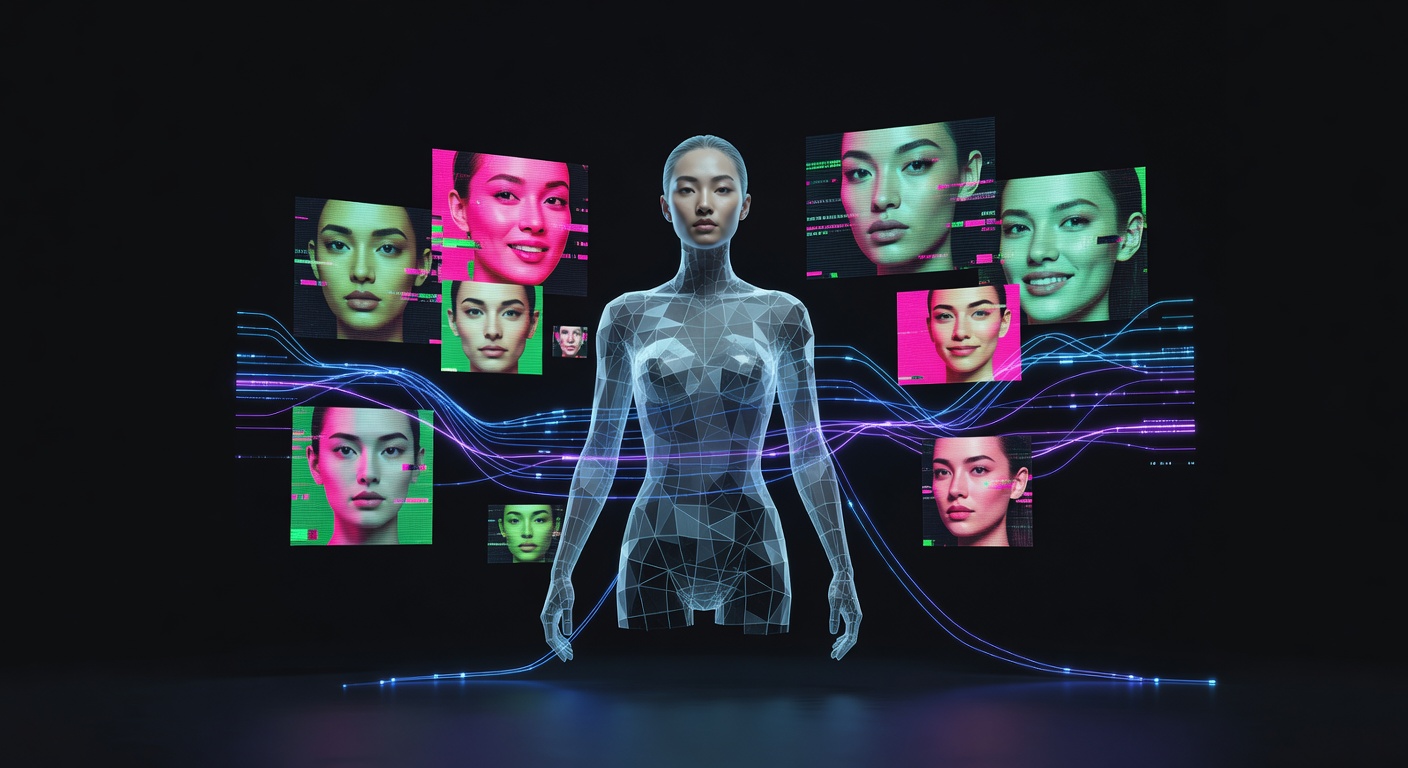
When Real Faces Meet Fake Intelligence
Here's something that probably hasn't crossed your mind during your morning coffee: somewhere out there, professional models are literally applying to become the human face of AI scams. And honestly, when I first heard about this trend, I wasn't sure whether to be impressed by the entrepreneurial spirit or deeply concerned about where we're heading as a society.
Let me paint you a picture of what's happening here.
The Business of Borrowed Trust
Think about it – we humans are hardwired to trust other humans, especially attractive, friendly-looking ones. It's basic psychology that marketers have exploited for decades. But now, scammers are taking this to a whole new level by combining the trustworthiness of a real human face with the scalability of AI.
Here's how it typically works:
- Scammers recruit models (sometimes legitimate ones looking for work)
- They use the model's likeness to create AI-powered personas
- These digital personas then interact with potential victims through various platforms
- The victims think they're talking to a real person, building genuine emotional connections
What's particularly troubling is that some models are actively seeking out these opportunities, treating it like any other modeling gig. And from their perspective, I can almost understand why – it's steady work in an unpredictable industry.
The Gray Area Gets Grayer
This phenomenon raises some really uncomfortable questions that we as a society need to grapple with. Where exactly do we draw the line between legitimate marketing and outright deception?
I mean, we've all gotten used to influencers promoting products they may or may not actually use. We've accepted that most advertising involves some level of performance and artifice. But this feels different, doesn't it? This crosses into territory where real emotional manipulation is happening.
The Human Cost
What really gets to me is thinking about the victims on the other end of these interactions. Imagine developing what you believe is a genuine connection with someone online, only to discover that everything – every message, every shared moment, every expression of care – was artificially generated using someone else's face.
The ripple effects are concerning:
- Erosion of trust in online relationships
- Increased skepticism about digital interactions
- Potential trauma for scam victims
- Ethical dilemmas for the modeling industry
Where Do We Go From Here?
I don't think the solution is to shame the models who participate in this – many are probably unaware of how their image will be used, and others are just trying to make a living in a tough industry. Instead, we need better regulations, clearer disclosure requirements, and maybe most importantly, better digital literacy.
We're living through a moment where the line between authentic and artificial is becoming increasingly blurred. And while that opens up amazing creative possibilities, it also creates new vulnerabilities that we're only just beginning to understand.
The question isn't whether this technology will continue to evolve – it absolutely will. The question is whether we'll evolve our ethical frameworks and protective measures fast enough to keep up.
What do you think? Have you encountered anything online that made you question whether you were interacting with a real person? Drop a comment and let's discuss this fascinating and slightly unsettling trend.
Source: https://www.wired.com/story/models-are-applying-to-be-the-face-of-ai-scams