
Explain the research, make it accessible, add commentary
Okay, I need you to sit down for this one.
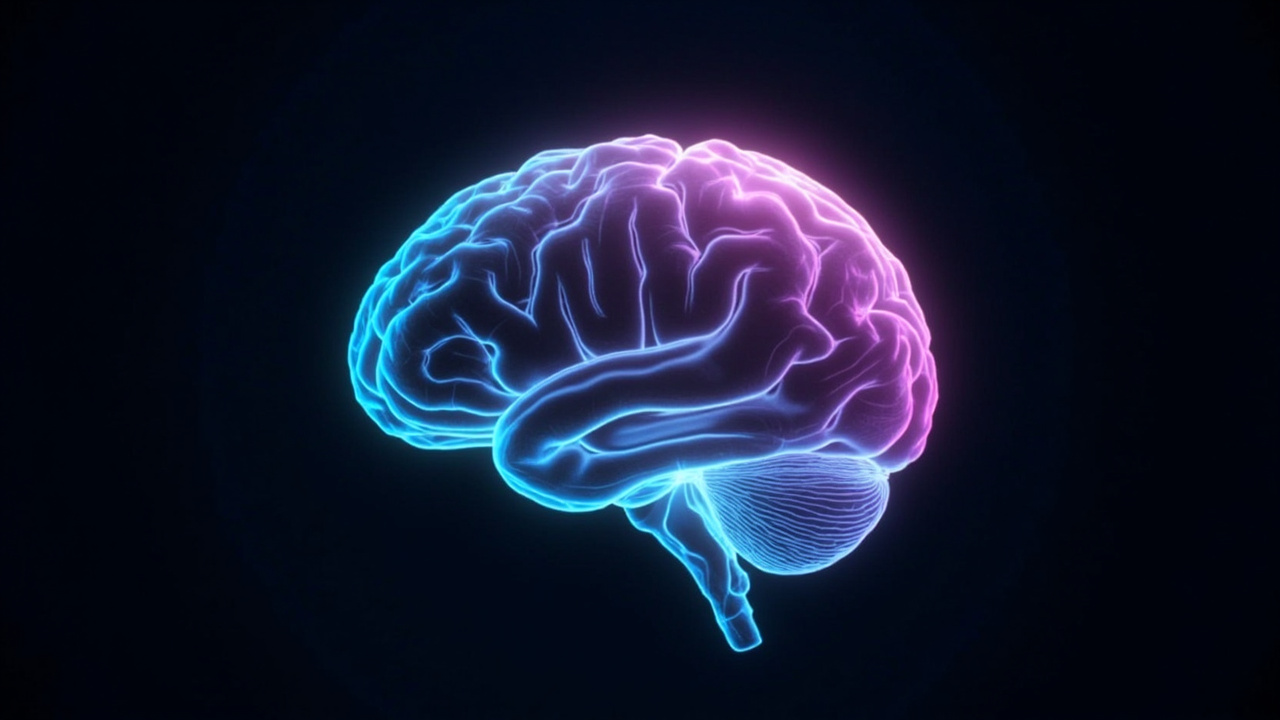
Scientists recently froze a human brain down to -196°C (that's about -321°F for those of you still on Fahrenheit) and then successfully brought it back to life. In a lab. With actual results.
I don't know about you, but when I first read about this study, my brain literally couldn't process it. This is the kind of thing that happens in movies like Passengers or 2001: A Space Odyssey—you know, those moments where astronauts climb into sleek pods, hit a button, and wake up decades later ready to explore alien worlds. But real life? This is happening in real life.
So What Exactly Did They Do?
The research team took a brain—yes, an actual human brain—and subjected it to extreme cryogenic temperatures. We're talking temperatures so cold that molecular movement basically stops. The kind of cold that makes Antarctica feel like a tropical vacation.
And then the wild part: they brought it back.
Now, before we all start booking tickets to Mars via cryopod, let me add some context. This is still very early-stage research. We're not talking about putting a whole human body into this state—not yet. But the fact that they achieved this with a brain at all? That's absolutely groundbreaking.
Why Does This Matter for Space Travel?
Here's where things get really exciting. One of the biggest challenges with deep-space travel isn't building faster rockets (though that's a problem too). It's the sheer distances involved. Even with our best technology, getting to the nearest star system would take thousands of years. No human lifetime could handle that journey.
Unless, of course, you could just... sleep through it.
If we could put astronauts into a state of suspended animation, they'd age much more slowly. They'd consume far fewer resources. And most importantly, they wouldn't go completely insane from decades of isolation in a metal tube hurtling through the void.
For years, this was pure fantasy. The stuff of Star Trek episodes and Andy Weir novels. But this new research suggests we're actually on the path to making it work.
The Road Ahead
I'm not going to lie and tell you we'll be freezing astronauts by 2040. The science is still catching up to the vision. There are massive challenges around cellular damage from ice formation, revival protocols, and about a thousand other technical hurdles.
But here's what gets me genuinely excited: this isn't science fiction anymore. It's science fact in progress.
Every groundbreaking discovery starts somewhere.五十 years ago, the idea of mRNA vaccines seemed impossible. Thirty years ago, we thought decoding the human genome would take centuries. Twenty years ago, carrying a supercomputer in your pocket was pure fantasy.
Now look at us.
The frozen brain study isn't just a cool party fact—it's a proof of concept that opens doors we didn't even know existed. It tells researchers: "This is possible. Keep going."
And honestly? That gives me goosebumps.
The Bigger Picture
Beyond space travel, think about what this technology could mean closer to home. Medical science has long dreamed of pausing biological processes to buy time for treating trauma, cancer, or organ failure. If we can master cryopreservation, we might eventually save countless lives by giving doctors more time to work.
The implications are staggering.
Of course, there are ethical questions too. What happens to identity and memory during extended cryosleep? How do we ensure this technology doesn't become a tool for inequality, available only to the wealthy?
These are conversations we'll need to have. But first, we need the science to catch up.
So what do you think? Does the idea of cryosleep excite you or freak you out? I genuinely can't decide which feeling is stronger in me. Part of me is already dreaming about waking up in a future where humans walk on planets we can only see through telescopes today. The other part is thinking about all those sci-fi movies where the hibernation pod malfunctioned.
Either way, we're living in an incredible time for science. And this frozen brain study might just be the first chapter of a story that sounds too wild to be true.
Here's to the future, folks. Even if we have to sleep through the wait to see it.