
Okay, I need to confess something: I've been following solar technology developments for years, and honestly? Most of them sound cool in a lab but fall apart in the real world. Batteries are expensive, complicated, and honestly kind of boring. But this new research from Osaka Metropolitan University just made me genuinely excited again.
The Problem With Making Fuel From Sunshine
Here's the deal: scientists have been trying to create "artificial photosynthesis" for a while now. Just like plants do, the idea is to use sunlight to transform water and carbon dioxide into useful energy — specifically, something called formic acid, which can actually work as a fuel.
But there's always been a catch. When you try to do this, you're dealing with sunlight that constantly changes — clouds pass, the sun moves, shadows shift. And traditional systems need complicated electronic tracking systems with batteries to keep everything running smoothly. It's like needing a whole control room just to make fuel.
Nature Already Figured This Out
Here's what's wild about this new research: the scientists basically watched how plants handle this problem and then recreated it in a device.
Plants don't have batteries or electronics. They just... work. And now, researchers have built an electrolyzer (that's the device that converts solar electricity into chemical fuel) with a special solid electrolyte built right into it. This clever design means the device itself handles all that tricky power adjustment automatically.
How Does It Actually Work?
Let me break this down in a way that won't put you to sleep:
When sunlight gets stronger, the device heats up. And as it heats up, something interesting happens — the electrical resistance drops. This means electricity can flow more easily exactly when there's more energy available to use.
The system essentially "breathes" with the sun. More light? No problem — it adjusts. Less light? It handles that too. Professor Yutaka Amao explains it better than I can: the system automatically adjusts its electrical behavior based on its own thermal properties.
This is brilliant because it removes the need for all those extra components — the batteries, the converters, the complex electronics that usually make these systems expensive and hard to maintain.
Testing It In The Real World
Now, here's what really got me: they tested this thing outside. Not in some carefully controlled lab, but under actual sunlight conditions. And it worked. Consistently.
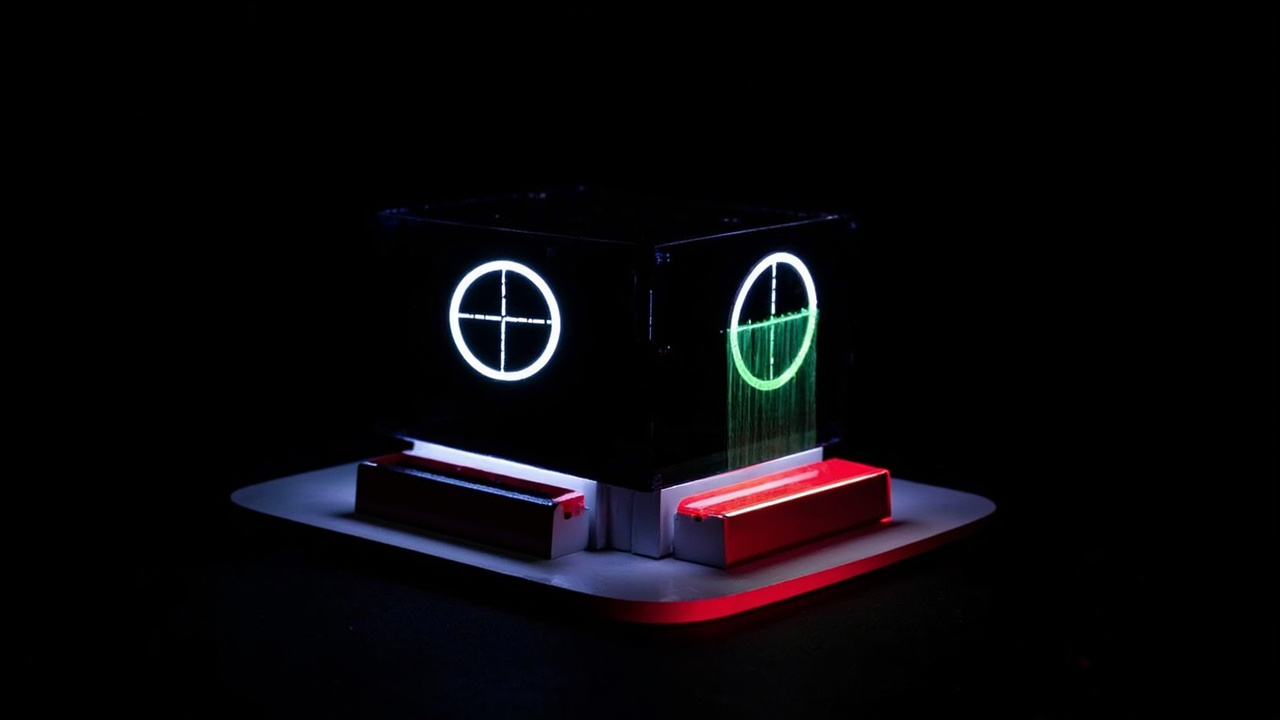
They even showcased it at the Osaka Kansai Expo 2025, where the system generated enough formic acid to power a miniature diorama. That's right — a tiny model lit up by actual solar fuel made without any batteries.
Why This Matters For Your Future Home
Let me put on my excited-nerd hat for a second.
We talk a lot about solar panels generating electricity, but electricity has a problem: it's hard to store. Batteries are expensive, they degrade, they're complicated. Solar fuel like formic acid changes this equation entirely.
Formic acid can be stored, transported, and used whenever you need it. It's essentially a way to pack solar energy into a form that doesn't leak away over time. And now that we've figured out how to make it without needing a whole battery bank and electronic control system? The costs and complexity drop significantly.
This research, published in EES Solar, represents a real step toward making solar fuel practical for everyday applications — including potentially charging devices and appliances in our homes.
The Bottom Line
Look, I know this sounds like science fiction sometimes. But we're watching something genuinely exciting unfold. Scientists took inspiration from nature, solved a real engineering problem, and created something that could eventually help wean us off our dependency on traditional batteries.
Is it ready for your rooftop tomorrow? Not quite. But the fact that a device can now essentially "think" like a plant and adjust itself without batteries? That's the kind of breakthrough that makes the future look a lot more interesting.
I'm keeping my eye on this one.