
Why Some Saws Make You Want to Give Up
Let me tell you something about power tools that took me years to figure out: the tool matters, but the experience matters more.
I learned this the hard way. When I was starting out with woodworking, I borrowed a miter saw from my dad that felt like it had a vendetta against me. The blade bogged down constantly. The detents clicked in places that didn't make sense. And that sliding mechanism? It jerks like it's trying to escape.
After fighting that saw through a single crown molding project, I almost gave up on trim work entirely.
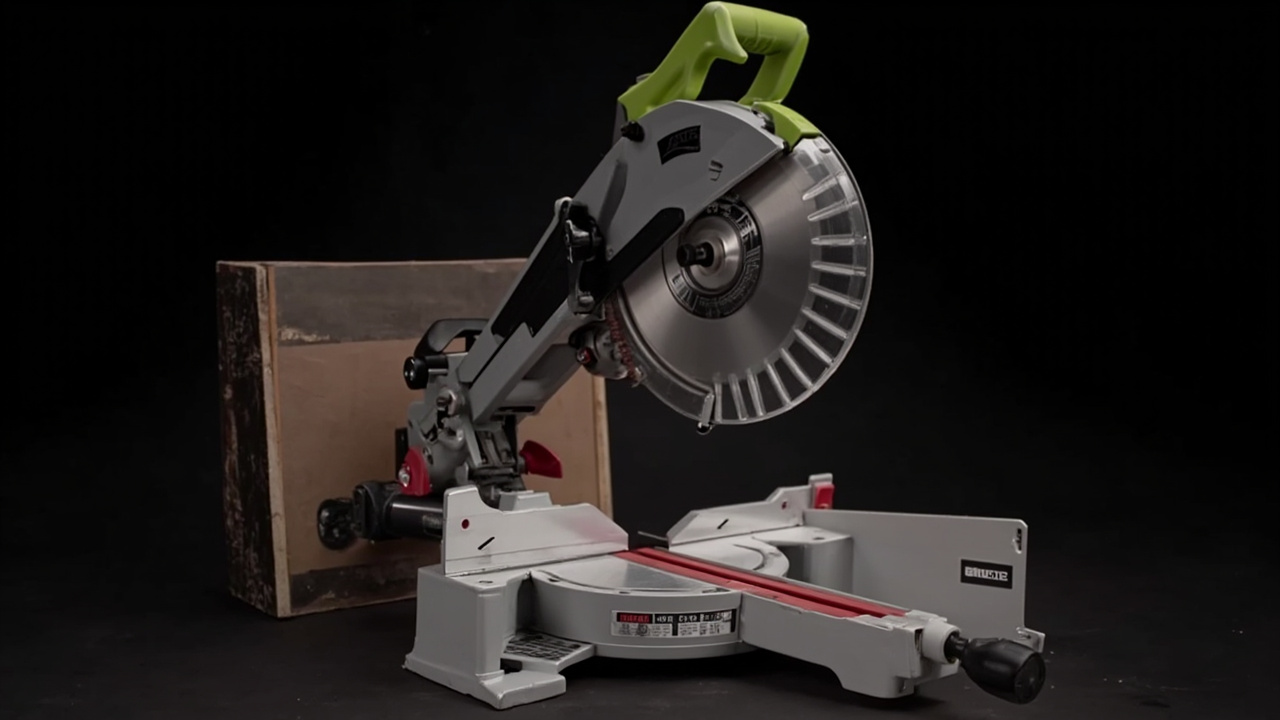
That's why I got genuinely excited when I heard about the Skil 10-inch Dual-Bevel Sliding Compound Miter Saw. Not because it's the most powerful saw on the market or packed with every bell and whistle imaginable. But because it seems purpose-built for one specific group of people: the folks who are new to this and need something that won't fight them back.
Teaching a New Generation to Use Power Tools
Here's what happened when a friend brought over his teenage son to help with some home projects. We had a pile of trim boards, some crown molding scraps, and a todo list that included cutting angles neither of them had attempted before.
I handed the kid the Skil and expected the usual hesitation — the nervous hovering, the reluctant grip, the constant checking in for reassurance. Instead? He just... started cutting. And kept cutting. And cutting some more.
What was the difference?
Smooth operation. That 15-amp motor spinning at 4,800 RPM didn't stutter once. The blade tracked through pine trim like it was cutting butter. Even when we moved to thicker framing lumber, there was no bogging down, no hesitation, no moment where the saw felt like it was struggling.
For a beginner, that consistency is everything. You're already learning to trust your eyes, your stance, your hand placement. You don't need your tool adding uncertainty to the equation.
The Little Things That Actually Matter
Okay, let's talk about the controls because this is where I think most reviews drop the ball.
The turntable rotates smoothly and locks into common angles with a click you can actually hear. For beginners especially, this tactile feedback is crucial. When you can't see whether your angle is set correctly, that satisfying snap tells you "yes, this is where it needs to be."
The bevel adjustment impressed me too. Most saws have you loosen a pivot from the rear, which means you're reaching around a spinning blade (awkward) or trusting that the head won't drop unexpectedly when you adjust (terrifying). Skil added a forward-facing release pin that keeps everything controlled. It sounds minor until you've spent twenty minutes fighting an uncooperative mechanism.
And the sliding rails? Exceptionally smooth. No wobble, no jerkiness. This matters more than people realize because when you're making long crosscuts, any binding or hesitation translates directly into imprecise cuts and potential safety issues.
The Feature That Actually Made Me Say "Oh, That's Clever"
Let me geek out for a second about the LED shadow line system.
It sounds gimmicky until you use it. The saw casts the blade's actual shadow onto your workpiece, showing you exactly where the cut will land before you commit. No more marking, erasing, re-marking. No squinting to figure out if you're aligned correctly.
For a beginner making compound cuts through crown molding? This is genuinely transformative. You're already juggling three things at once — miter angle, bevel angle, and material placement. Anything that removes cognitive load is a gift.
Where It Falls Short (Let's Be Real)
No tool is perfect, and I'd be doing you a disservice if I didn't mention the dust collection.
The Skil isn't winning any awards for keeping your workspace clean. A fair amount of debris escapes the collection bag rather than being whisked away. For occasional DIY work, it's an annoyance. For someone running dozens of cuts a day, it becomes a genuine quality-of-life issue.
Premium saws like the Bosch GCM12SD or DeWalt DWS780 handle dust collection noticeably better. But here's the thing — those saws also cost roughly twice as much. So you're making a trade-off: better dust management versus a much friendlier price tag.
For the target audience (homeowners, beginners, casual users), I think this is an acceptable compromise.
The Verdict
If you're brand new to miter saws and want something that won't make you feel like you need a engineering degree to operate it, the Skil 10-inch sliding compound miter saw deserves serious consideration.
It delivers accurate, repeatable cuts. The controls are intuitive enough that my friend's teenager picked them up without any formal instruction. And the smooth operation means you'll actually want to practice rather than dread the next cut.
Is it the right saw for a professional contractor running trim jobs daily? Probably not. But that's not who this tool is for — and honestly, I respect that clarity.
Sometimes the best tool isn't the most powerful one. It's the one that makes you believe you can actually do this.
And this one might just do exactly that.
Source: Popular Mechanics — The Skil 10-Inch Sliding Compound Miter Saw Review