
The blog content in markdown format
Okay, I need you to picture this with me.
You're someone who's lived with chronic pain for years. Maybe it's in your back, your legs, or some nerve condition that's made everyday life feel like a constant battle. The treatments you've tried either barely work, knock you out with side effects, or require surgery that sounds scarier than the pain itself.
What if I told you scientists are working on a treatment delivered through a simple injection? No scalpels. No batteries implanted under your skin. No wires snaking through your body.
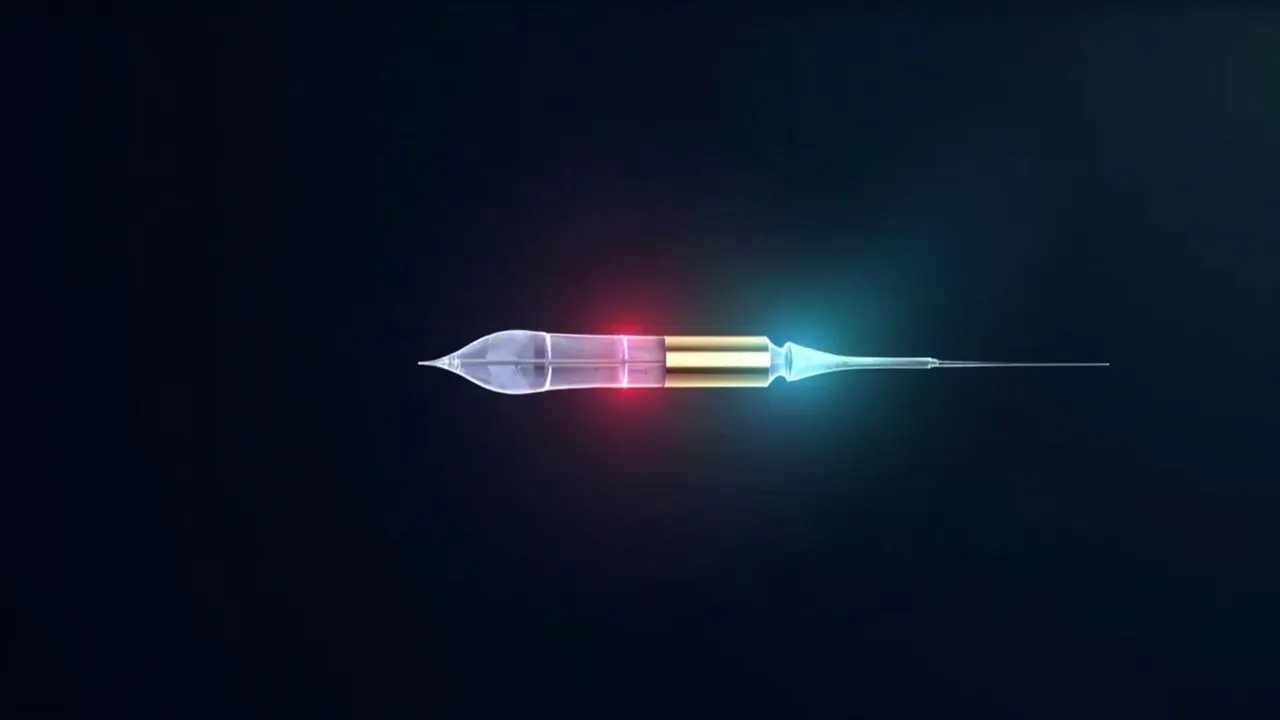
Just a tiny device—about the size of a small seed—that gets injected near the problematic nerve and just... works.
How Does This Thing Work?
Let me break it down in plain English. Your nerves are basically your body's electrical wiring. When something goes wrong with them—chronic pain, movement disorders, all sorts of frustrating conditions—it often means the electrical signals are misfiring or just generally being chaotic.
This little device, developed by researchers at NYU Abu Dhabi working with Cleveland Clinic Abu Dhabi, acts like a tiny remote control for your nerves. Once it's positioned near the right nerve (guided by ultrasound or CT scans, so doctors know exactly where it's going), it sends out carefully calibrated electrical signals that essentially tell the nerve to calm down and behave properly.
The really cool part? The power comes from outside your body. No batteries to replace, no wires to break. Doctors can adjust the stimulation in real-time based on what you need.
Why This Matters More Than You Might Think
Now, I know what you might be thinking: "We've had nerve stimulation devices before."
And you're right! But here's the thing—most of them require actual surgery. We're talking incisions, implants, all the risks that come with going under the knife. For many people, that's a barrier that feels too high to cross, especially when you're already dealing with health issues.
This technology represents what the researchers call "a shift in how we think about treating nerve-related conditions." Instead of adding more complexity and invasiveness, it's stripping things down to the essentials. Get the device where it needs to go, stimulate the nerve, let the body do its thing.
Dr. Mohamed Elsherif, one of the researchers, put it well: this could "bridge the gap between non-invasive therapies and traditional implants." For patients, that means potentially effective treatment without the scary surgery part.
Let's Keep Our Expectations Real
Before you get too excited (and I know this is exciting stuff), let's talk about where this technology actually is.
The device has shown promise in lab experiments and preclinical testing—meaning tests done in controlled settings and in living organisms (though not humans yet). The results have been encouraging: it can deliver precise stimulation and activate nerves effectively.
But—and this is important—we're not at the "walk into your doctor's office and get one tomorrow" stage yet. The research team is careful to note that they haven't proven this can actually relieve chronic pain or improve movement disorders in human patients. That's the next big hurdle.
The Bigger Picture
Here's what gets me genuinely hopeful about this kind of research. We're living in an era where medical technology is getting smaller, smarter, and less invasive. Procedures that once required hospital stays and weeks of recovery are becoming outpatient visits. Devices that required major surgery are becoming injections.
If this technology continues to show promise, it could make advanced nerve treatments accessible to way more people. Fewer surgical risks. Shorter recovery times. More flexibility for doctors to tailor treatments to individual patients.
And honestly? After talking to countless people who struggle with chronic pain and the limitations of current treatments, I think we need this kind of out-of-the-box thinking more than ever.
The road from promising research to actual medical practice is long, and many promising technologies don't make it. But this one? It has my attention, and I'll definitely be keeping an eye on where it goes next.
For now, here's to hoping that sometimes, the smallest solutions end up making the biggest difference.
Source: ScienceDaily