
When Poop Becomes Your Best Research Tool
Let me paint you a picture: you're a conservation scientist trying to save one of the world's rarest mammals. The challenge? There are fewer than 150 of them left alive. The solution? Get really, really interested in their bathroom habits.
I know it sounds weird, but researchers at Edith Cowan University just cracked a problem that's been stumping wildlife experts for years. They figured out how to use DNA from Gilbert's potoroo droppings to understand exactly what these tiny creatures are eating. And honestly? It's kind of brilliant.
Meet the Gilbert's Potoroo: The Comeback Kid Nobody Asked For
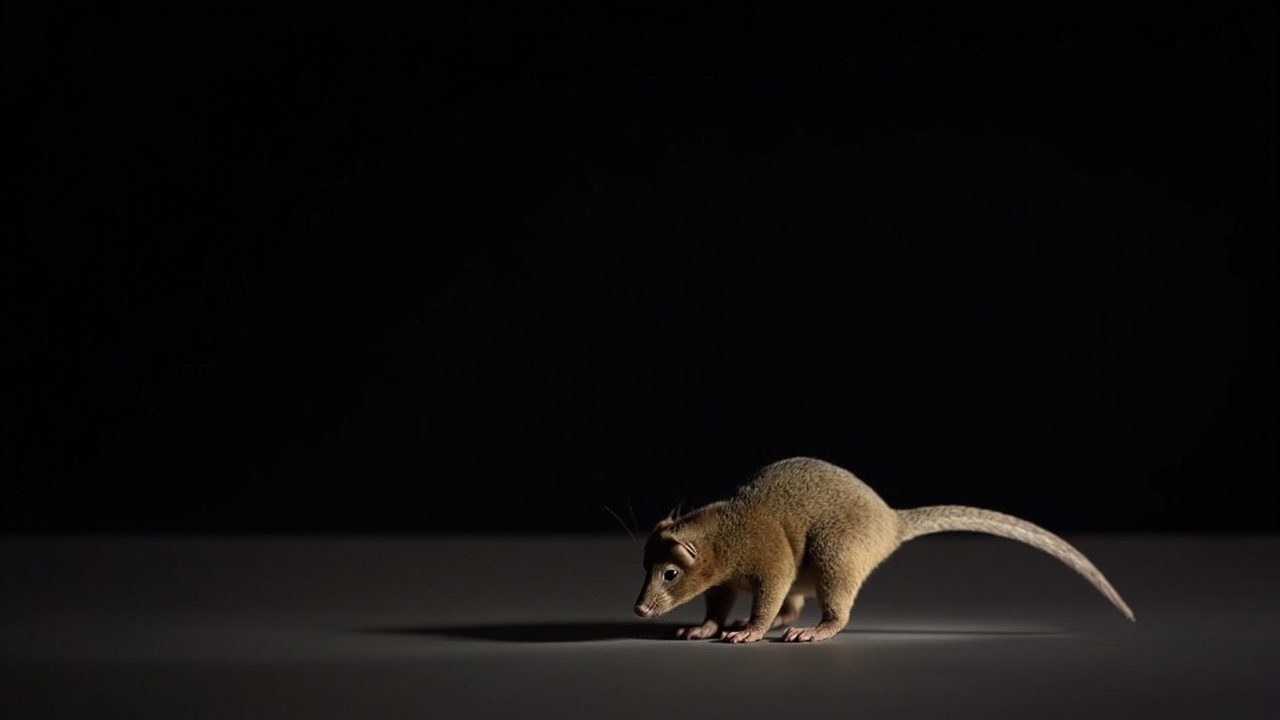
Before we dive into the poop science (and yes, there's going to be poop science), let me introduce you to this animal. The Gilbert's potoroo is a small marsupial that lives only in Western Australia. It was literally thought to be extinct. Gone. Finished. Dead as a dodo.
Then in 1994, surprise! Scientists found some still hanging on in the wild. Talk about a dramatic return from the grave.
But here's the problem: it never really left the danger zone. The population sits at around 150 animals total, and most of them live in just one location. A single bushfire in 2015 destroyed 90% of the only place where these guys naturally lived. We're talking about an animal that was one bad disaster away from being wiped out completely.
The Fungus Among Us (Literally)
Here's where things get interesting. The Gilbert's potoroo is incredibly picky about food. Like, annoyingly picky. Scientists tried breeding them in captivity, but the little guys basically said "no thanks" and refused to cooperate. Their diet is so specific that captive breeding just doesn't work.
So what's on their ultra-exclusive menu? Fungi. That's right—these marsupials are basically truffle hunters, digging around underground for mushrooms and fungi. It sounds charming, except that fungi are notoriously hard to study. Most fungal species haven't even been scientifically described yet, which makes it nearly impossible to know what the potoroos are actually eating.
DNA Testing: The CSI of Conservation
This is where the research team got clever. Instead of trying to identify fungal remains the old way (by looking at spores under a microscope—tedious and often impossible), they used something called eDNA metabarcoding on fresh scat samples.
Basically, they took poop, extracted the DNA from it, and let fancy genetic analysis reveal exactly which fungi the potoroos had eaten. No disturbing the animals. No invasive sampling. Just a non-invasive look into their dietary preferences through their waste products.
It's kind of perfect, actually. You want to know what wildlife eat without stressing them out? Check their droppings. It's all there in the genetic code.
Following the Breadcrumbs (And Fungi)
But here's where the research gets even smarter. The team didn't just look at potoroo poop. They also analyzed the droppings of three other Australian marsupials: quokkas, quendas, and bush rats. These animals all have something in common—they also eat fungi, and they historically lived in similar areas to the potoroos.
By comparing what all four animals were eating, the researchers could map out where fungi resources were abundant enough to support multiple species. Think of it like finding neighborhoods where all your favorite restaurants cluster together—if you're a potoroo looking for a place to move, you want to go where the fungi buffet is good.
The Conservation Game Plan
Here's the practical payoff: conservation teams are using this research to identify new locations where they can establish additional potoroo populations. It's called translocation—moving animals to create what scientists call "insurance populations."
Why is this so important? Because having all your endangered marsupials in one or two places is a disaster waiting to happen. One disease, one natural disaster, one really bad year, and boom—species gone. By spreading them across multiple locations with confirmed suitable habitat, they're betting on survival through diversity.
The potoroos are currently spread across four locations (including two islands), but researchers want to find another suitable mainland site. And now, instead of guessing where potoroos might like to live, they can use actual data about what these picky eaters actually prefer.
Why Should You Actually Care?
Okay, so one might think "who cares about some obscure marsupial in Australia?" Fair question. But here's the thing: the Gilbert's potoroo isn't just a charismatic little creature worth saving (though it is). It's part of a bigger ecological story.
These fungi-eating mammals are what scientists call "ecosystem engineers." When they dig around looking for fungus, they're turning over soil. When they eat fungi, they're spreading fungal spores across the landscape. And fungi? They're fundamental to plant health, soil quality, and overall ecosystem functioning.
Save the fungus-eating marsupials, and you're actually supporting the health of entire ecosystems.
The Bigger Picture
Australia's native wildlife is under serious pressure right now. Introduced predators like cats and foxes are devastating populations. Habitat loss is ongoing. Climate change is shifting everything around.
In this context, conservation tactics like translocation aren't just nice-to-have extras. They're essential survival strategies. They're how we buy time while we figure out bigger problems.
The fact that scientists are willing to analyze poop in painstaking detail shows how seriously they're taking this challenge. There's no magic solution here—just dedicated researchers doing the unglamorous work of understanding ecology, one dropping at a time.
The Takeaway
The Gilbert's potoroo's story reminds us that extinction isn't inevitable. A species can disappear, be presumed gone forever, and then surprise us by hanging on. But that second chance doesn't mean much unless we understand what these animals actually need to survive.
Sometimes the most important scientific breakthroughs come from the most unexpected places. Even from poop. Especially from poop.
So here's to the researchers digging through marsupial droppings for the sake of conservation. The work might not be glamorous, but it might just save a species from disappearing forever.