
Okay, I have to admit—when I first read about this discovery, I got genuinely excited. And that's saying something, because I've covered a lot of dinosaur news over the years. But this one has everything: a four-winged feathered assassin, ancient crime scene evidence, and a fossil site that's basically a window into a prehistoric murder mystery.
Let me set the scene for you.
The Mysterious Bone Piles
Deep in northwestern China, there's a place called the Changma Basin. Paleontologists have been digging there for years and have found something truly remarkable—hundreds upon hundreds of ancient bird fossils. We're talking about a bird graveyard of sorts, with thousands of tiny bones just... sitting there.
But here's the weird part. These aren't scattered, randomly preserved bones. They're clustered together in small, broken-up masses that look suspiciously like the pellets that owls cough up after eating their prey. You know, those fluffy balls they barf out that contain all the bones they couldn't digest?
For the longest time, scientists scratched their heads. What was eating all these ancient birds? What predator was leaving behind these little bone piles? They had evidence of the victims but zero evidence of the killer.
Until now.
Meet Jian changmaensis: The Suspect
Researchers just published a study describing a brand new dinosaur species found at the same site, and honestly? It looks like they found their culprit.
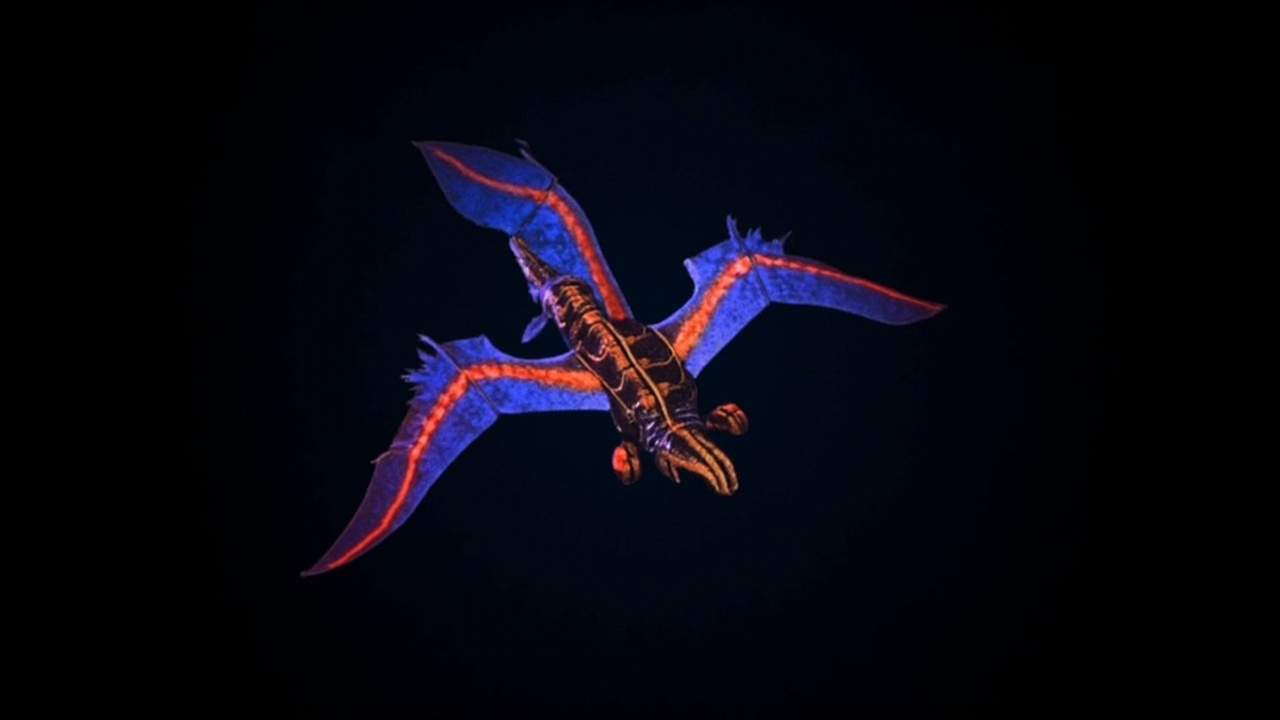
Jian changmaensis (try saying that three times fast) was a microraptor—a feathered dinosaur cousin of the famous Velociraptor. But unlike the terrifyingly oversized creatures Hollywood showed us in Jurassic Park, real microraptors were actually pretty small. Jian was about the size of a barn owl, with roughly a four-foot wingspan.
Wait, wingspan? I said wings—plural?
Yep. That's where things get really interesting.
Four Wings, Zero Flying
Jian changmaensis had long feathers on both its arms AND its legs. Imagine if a flying squirrel decided to become a dinosaur, and you've got roughly the right idea.
These weren't wings designed for true, powered flight like modern birds. Instead, scientists think Jian and its microraptor relatives were gliders. They could spread out all four feathered limbs and sail through the air, kind of like a feathered hang glider looking for its next meal.
Which brings us back to those mysterious bird bones...
Why Jian Is Probably the Bird-Killer
Here's the detective work that convinced researchers: Jian is the only non-bird carnivore found at this site. It's much bigger than everything else there. And it's a predator with the right anatomy to be an efficient bird-hunter.
" Scientists have found these weird, broken-up clusters of bird bones at this site, and we didn't know what made them. This new microraptor dinosaur, Jian changmaensis, is our best guess," explained Jingmai O'Connor from the Field Museum in Chicago.
She's basically saying: "We've got the crime scene. We've got the victims. Now we've finally got our suspect."
Why Does This Matter?
Here's the thing that really gets me about this discovery. Birds today are the only dinosaurs that survived the mass extinction 66 million years ago. They're the last remnants of an incredibly diverse group that dominated Earth during the Jurassic and Cretaceous periods.
Understanding what made birds different—what gave them advantages over their dinosaur relatives like Jian—is crucial to understanding why they're so successful today. Birds are arguably the most successful land-dwelling vertebrates on the entire planet.
"We cannot understand life on the planet today without looking at its origins," said O'Connor. "Learning about early birds and their close non-bird dinosaur relatives gives us a better understanding of what made the group of birds that survived so special."
The Bottom Line
So next time you see a hawk circling overhead or hear an owl calling in the night, remember: we've got dinosaur descendants that are still out there, still hunting, still being the efficient predators their ancestors were millions of years ago.
Only now, instead of four wings, they just have two. And honestly? I think they're probably relieved about that. Four wings seems like a lot to manage.