
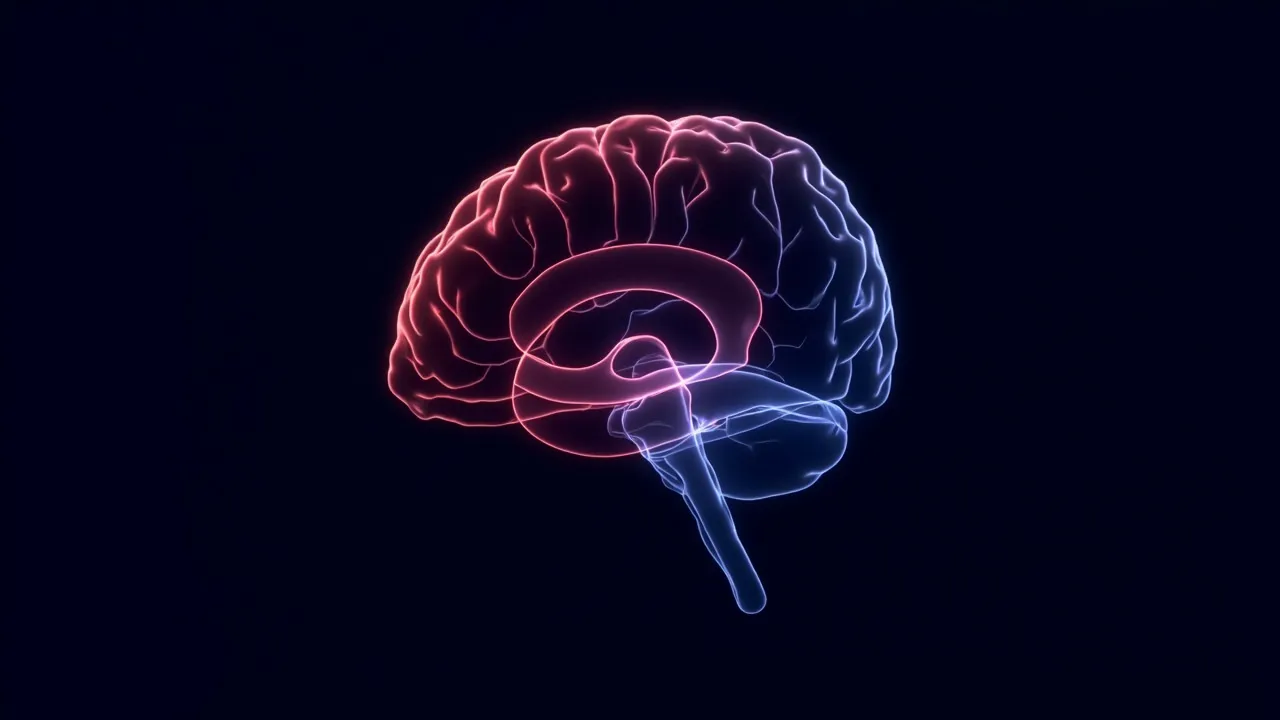
Okay, I need to tell you about something that just happened in a lab in Switzerland, and honestly? It's got me more pumped about medical science than I've been in a while.
Researchers at the University of Zurich have been playing around with stem cells and stroke damage in mice, and the results are... well, let me put it this way: if this works in humans someday, it would be kind of a big deal.
What Happens When You Have a Stroke
First, let's talk about why strokes are so devastating. When a stroke hits, part of your brain gets cut off from oxygen. Brain cells start dying—fast. And here's the brutal part: unlike some other cells in your body, neurons don't really regenerate. Once they're gone, they're gone.
About one in four adults will experience a stroke in their lifetime, and roughly half of those people end up with lasting problems. We're talking paralysis, speech difficulties, cognitive challenges. Things that change your life forever.
For decades, doctors have been able to manage stroke symptoms and prevent future strokes, but there's never been a way to actually rebuild what was lost. Until maybe now.
The Experiment
The research team—led by Christian Tackenberg and postdoctoral researcher Rebecca Weber—took human neural stem cells and transplanted them into mice that had experienced strokes. The goal? See if these cells could help repair the damaged brain tissue.
What I love about this study is that they weren't just looking for one thing. They tracked what happened over five weeks using imaging and biochemical analyses, essentially watching the healing process unfold in real-time.
Here's what they found:
The stem cells didn't just survive—they thrived. After five weeks, most of the transplanted cells had transformed into neurons. But that's not even the impressive part. These new neurons actually connected with the existing brain cells, forming working relationships within the neural networks. They weren't just showing up; they were joining the team.
But wait, there's more. The treatment triggered a whole cascade of healing beyond just creating new neurons. New blood vessels formed in the damaged areas. Inflammation decreased. The blood-brain barrier—which is basically your brain's security system—actually started working better again.
Think about that for a second. It's not just replacing lost cells; it's kickstarting multiple repair mechanisms simultaneously. The researchers called this "inducing other regeneration processes," which sounds like science-speak for "the cells are doing a whole bunch of helpful stuff we didn't fully expect."
The Movement Stuff
Now, all of this would be fascinating from a pure science standpoint, but the researchers went further. They wanted to know if these biological changes actually mattered in terms of how the mice functioned.
Using AI-assisted analysis of the animals' walking patterns (how cool is that?), they measured motor function before and after treatment.
The results? The stem cell transplantation actually reversed the motor impairments caused by the strokes. The mice that had trouble moving started moving normally again.
That's the part that really gets me. We're not just talking about theoretical healing here. We're talking about restored function. About taking away the paralysis.
A Little Timing Trick
Here's something that might make this approach more practical down the line: timing matters.
The researchers found that transplanting the stem cells one week after a stroke worked better than doing it immediately. That might not sound significant, but consider what this means for human treatment.
Right now, when someone has a stroke, it's an emergency. Doctors are racing against the clock to minimize damage. If you had to deliver stem cell therapy during those critical first hours, that would be incredibly difficult to coordinate.
But giving doctors a one-week window? That's much more manageable. They could stabilize the patient, assess the damage, prepare the treatment, and then deliver it. That's a game-changer for how this might actually work in a hospital setting.
The Road Ahead
I want to be careful here because this is mouse research, and anyone who's been following science news knows that what works in mice doesn't always translate to humans. The researchers themselves are quick to point out several obstacles that still need to be addressed.
But here's what makes me optimistic: they designed this study with eventual human treatment in mind from the start. The stem cells were produced without any animal-derived materials, which matters enormously for regulatory approval and safety concerns. They worked with Kyoto University to create a defined production protocol—essentially a recipe that could be standardized for clinical use.
That's not always how basic research goes. Sometimes scientists do interesting experiments without thinking about real-world applications. These researchers seem to have kept their eyes on the prize.
My Take
I've covered a lot of medical research over the years, and honestly, a lot of it ends up being incremental progress. "We found a small mechanism that might someday contribute to a potential treatment." That kind of thing.
This feels different. The idea that we might someday be able to not just slow neurological damage but actually reverse it—that's the kind of thing that could transform millions of lives.
Of course, we're not there yet. This is one important step on a very long road. But for people living with stroke damage, and their families, even the possibility of actual repair rather than just management might be worth celebrating.
I'll be watching this research as it develops. And if you're问我 (asking me) whether I think this will eventually help humans? I'd say the science is solid enough that it's worth getting excited about—just with the usual caveats that come with early-stage research.
Sometimes the future is stranger and more hopeful than we expect. This might be one of those times.
Source: ScienceDaily - Stem cells reverse stroke damage and restore movement in mice