
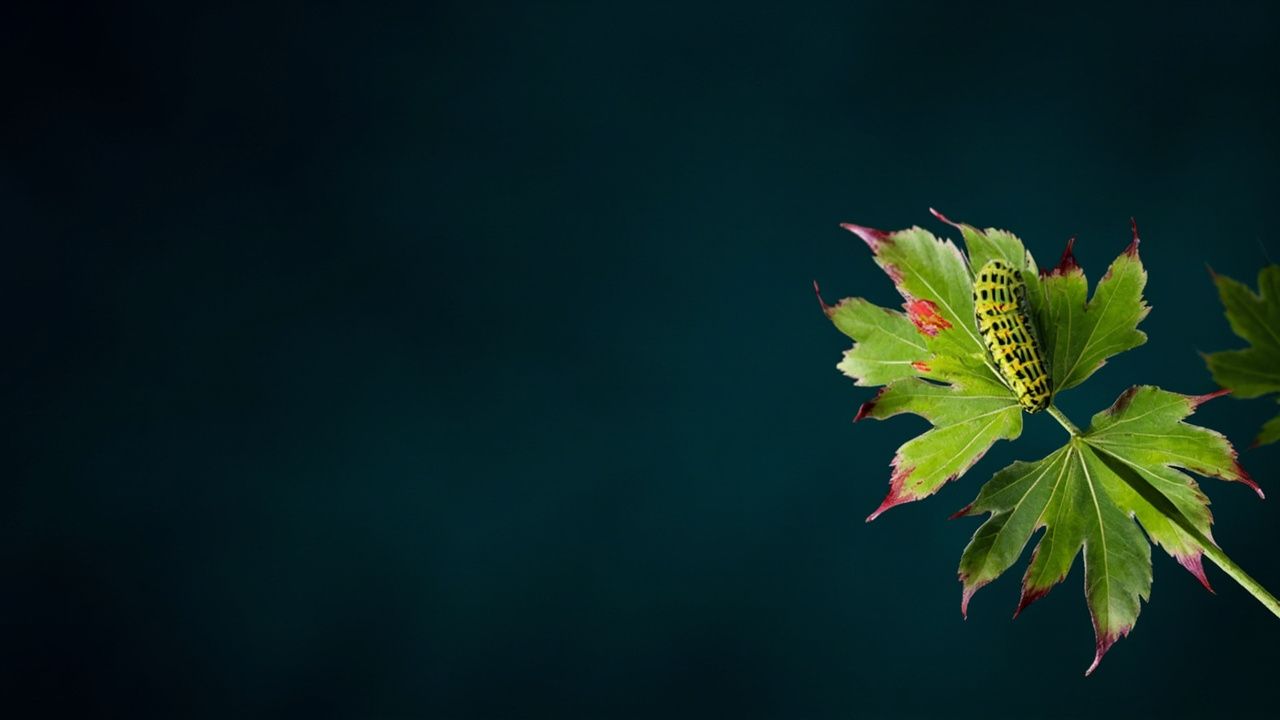
Nature's Ultimate Revenge: How Trees Fight Back Against Hungry Caterpillars
Here's something that blew my mind when I learned about it: trees aren't just passive victims waiting to be munched on. They're actually thinking about their problems and adjusting their game plan.
The Spring Timing Problem Nobody Thought About
Every spring, there's this synchronized dance in forests. Caterpillars hatch, and—conveniently—that's exactly when tree leaves are at their most tender and nutritious. It's like nature's perfect meal delivery system. The caterpillars are basically saying "Thanks for the buffet!" and the trees have been taking it on the chin.
But oak trees said "absolutely not" to this arrangement, and they found a sneaky solution.
The Three-Day Delay That Changes Everything
Here's the genius part: when oak trees get hammered by caterpillars one year, they respond by pushing back their leaf emergence by about three days the following spring.
Three days doesn't sound like much, right? Wrong. For caterpillars, it's a disaster.
When they hatch on their normal schedule, the leaves they need to survive are still inside the buds. The timing mismatch means starvation. The caterpillar survival rate plummets, and the trees experience about 55% less feeding damage. It's like the tree set a trap and the caterpillars walked right into it.
Why This Strategy Is Smarter Than Chemical Defenses
You might think trees would fight back by pumping their leaves full of toxic compounds—bitter tannins that taste awful to bugs. That's actually a thing some trees do. But here's the catch: making all those defensive chemicals is exhausting. It requires serious energy investment.
Delaying leaf emergence? That's basically free. The tree just shifts its internal clock a bit. Lower energy cost, better results. It's the biological equivalent of outsmarting your opponent instead of just punching harder.
The Technology That Proved All This
The really cool part of this research is how they actually proved it was happening. Scientists used to study this stuff by walking around forests with clipboards, checking individual trees. That works, but it's slow.
This team took it to the next level by partnering with Sentinel-1 radar satellites to monitor 2,400 square kilometers of Northern Bavaria. We're talking about 137,500 separate observations over five years, with enough detail to spot individual tree crowns from space.
When a massive gypsy moth outbreak hit the region in 2019, the satellites caught the whole drama: which trees got stripped bare, and then which ones delayed their leafing the next year. It was like having a security camera on the entire forest.
The Climate Change Angle (It's Complicated)
Here's where things get interesting for our changing world. Warmer temperatures are pushing trees to leaf out earlier each spring. But insect pressure is pushing in the opposite direction—later leafing to avoid the bugs.
These trees are caught in the middle, trying to optimize for both forces at once. It's like trying to win a game where the rules keep shifting.
The really smart thing about this strategy is that it's flexible. Trees only delay leafing when they actually get infested. This means caterpillars can't just adapt to expect later leaves—because the timing keeps changing based on whether there was a problem the previous year.
What This Means for the Future
Most climate and forest models focus almost entirely on temperature and weather. They're basically ignoring this whole plant-versus-insect evolutionary arms race that's constantly reshaping when forests turn green.
This research suggests we need to think bigger. Forests aren't just responding to climate—they're in constant negotiation with the creatures living inside them. Understanding that interplay is probably going to be crucial as we try to predict how forests will actually behave in a warming world.
It also reminds us that nature is way more sophisticated than we usually give it credit for. Trees aren't just standing there being passive. They're tracking problems, remembering them, and adjusting their behavior. That's pretty incredible when you think about it.