
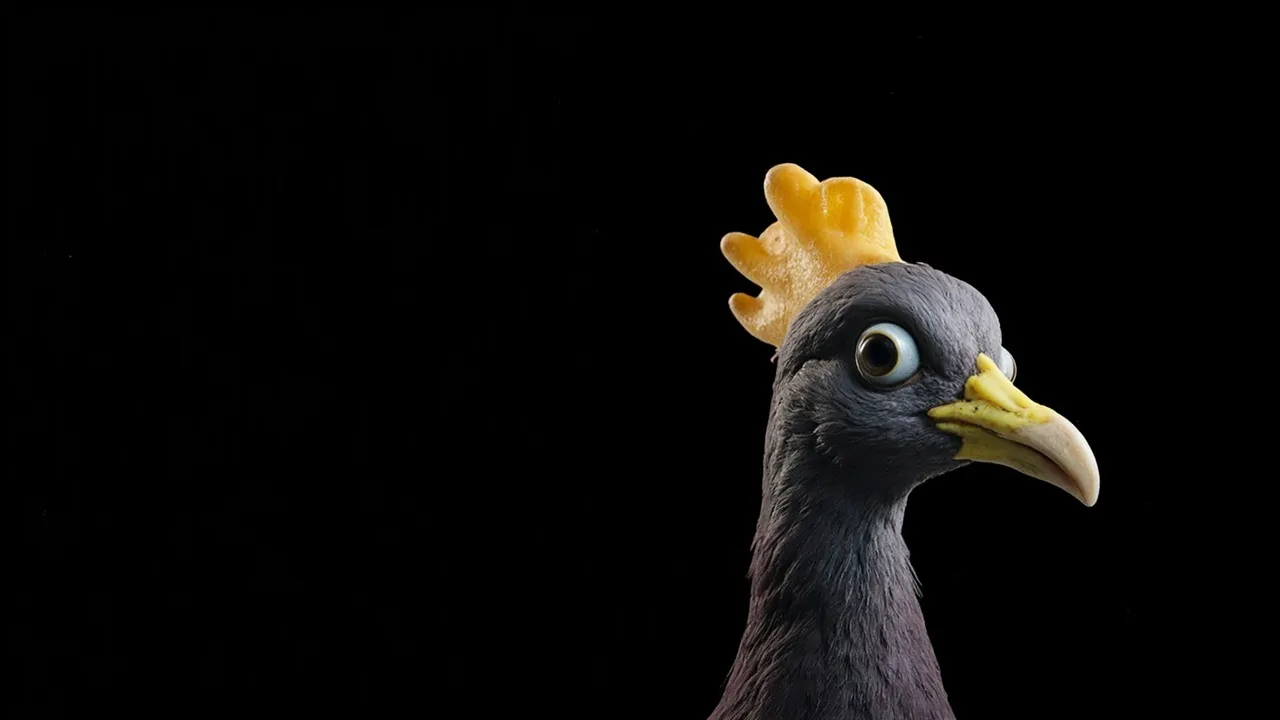
You know that feeling when you've believed something your whole life, and then science comes along and says "actually, nope"? That's exactly what's happening right now with the dodo.
I've always thought of dodos as nature's gentle fools — chunky, clumsy birds that waddled around Mauritius until they kindly offered themselves up to hungry sailors. It's a great story. There's just one problem: it might be completely wrong.
A team of researchers just published findings that are making us completely rethink how these birds actually lived. And honestly? The dodo sounds way more interesting than we ever gave it credit for.
The Rarest Heads in the World
Here's something wild: there are only TWO complete dodo skulls left on Earth. Just two. One sits in Copenhagen at the Natural History Museum Denmark, and the other lives at Oxford University. These aren't exactly common museum pieces you can just hand to scientists for experimentation.
But when the Copenhagen museum started preparing for a major renovation (new galleries opening in 2027), researchers got a golden opportunity. They fired up some seriously high-resolution CT scanning equipment and created detailed 3D digital models of the skull without damaging the actual specimen at all.
Why does the inside of a skull matter? Here's the cool part: when a brain develops inside a skull, it presses against the bone and leaves impressions. Those little grooves and curves are like fossilized thoughts — clues about how the brain was shaped and what it could do.
So What Did They Find?
When researchers compared the dodo's brain cavity with its closest living relatives (modern pigeons and doves, which honestly feels like an insult to the dodo), they discovered some fascinating differences.
First, the dodo might not have been a strict daylight bird. While most birds stick to either daytime or nighttime schedules, the dodo's anatomy suggests it could have been active during twilight hours too — that magical time at dawn and dusk when things get interesting. This flexibility would have been useful on an island where conditions could change.
Second, the dodo apparently had a much better nose than its pigeon cousins. Among birds, having a strong sense of smell isn't super common — many rely more on vision. But the dodo seems to have bucked that trend. This could have helped it find food across the island, especially fruit or other resources that pigeons might have overlooked.
Third, and this is my favorite part: that big chunky beak was basically a finger. Well, not literally. But the dodo's upper beak appears to have been packed with touch sensors. Imagine being able to basically feel your way around your environment with your face. That's what the dodo was doing.
Wait, Weren't Dodos Supposed to Be Stupid?
Here's where I really love this story. For centuries, the dodo has been the poster child for "animals that can't adapt." We blamed their extinction on their own foolishness, as if natural selection was personally offended by their existence.
But the new research doesn't support this at all. The dodo's brain doesn't show signs of reduced cognitive function compared to modern pigeons. If anything, it had developed some pretty specialized adaptations for island life.
Think about it this way: the dodo lived on Mauritius for millions of years. It survived. It thrived. It evolved unique features that we only now are beginning to understand. The fact that it couldn't survive contact with humans isn't a sign of stupidity — it's a reminder that evolution doesn't prepare you for ships full of rats and hungry sailors.
"Having access to one of only two complete dodo skulls has given us a unique opportunity to compare the dodo with its closest living relatives and gain new insights into how it experienced and interacted with its environment," said Peter Andrew Hosner, one of the study's co-authors.
Why This Matters
I love stories like this because they remind us that extinct animals weren't just cartoon characters — they were real creatures with real adaptations, living real lives. The dodo wasn't a joke. It was a sophisticated bird that had figured out how to survive on a small island in the Indian Ocean.
Every time we discover something new about extinct species, we get a small window into a world that's gone forever. And honestly? The dodo's world sounds like it was pretty amazing.
Maybe it's time we stopped thinking of dodos as nature's failed experiment and started appreciating them for what they actually were: survivors, adapted to their home in ways we're only beginning to appreciate.
The next time someone calls something "daft as a dodo," maybe remind them that this chunky bird was basically a sensory genius compared to its feathered relatives. Just something to think about next time you're feeling judged by history.
Source: https://www.sciencedaily.com/releases/2026/08/260807035143.htm