
Okay, But What Even Are Ushabti?
Let me paint you a picture. You've just died in ancient Egypt (stay with me here). You've got the whole afterlife thing to look forward to, but here's the catch—turns out even eternity has chores. Farming, digging canals, all that manual labor nobody wants to do.
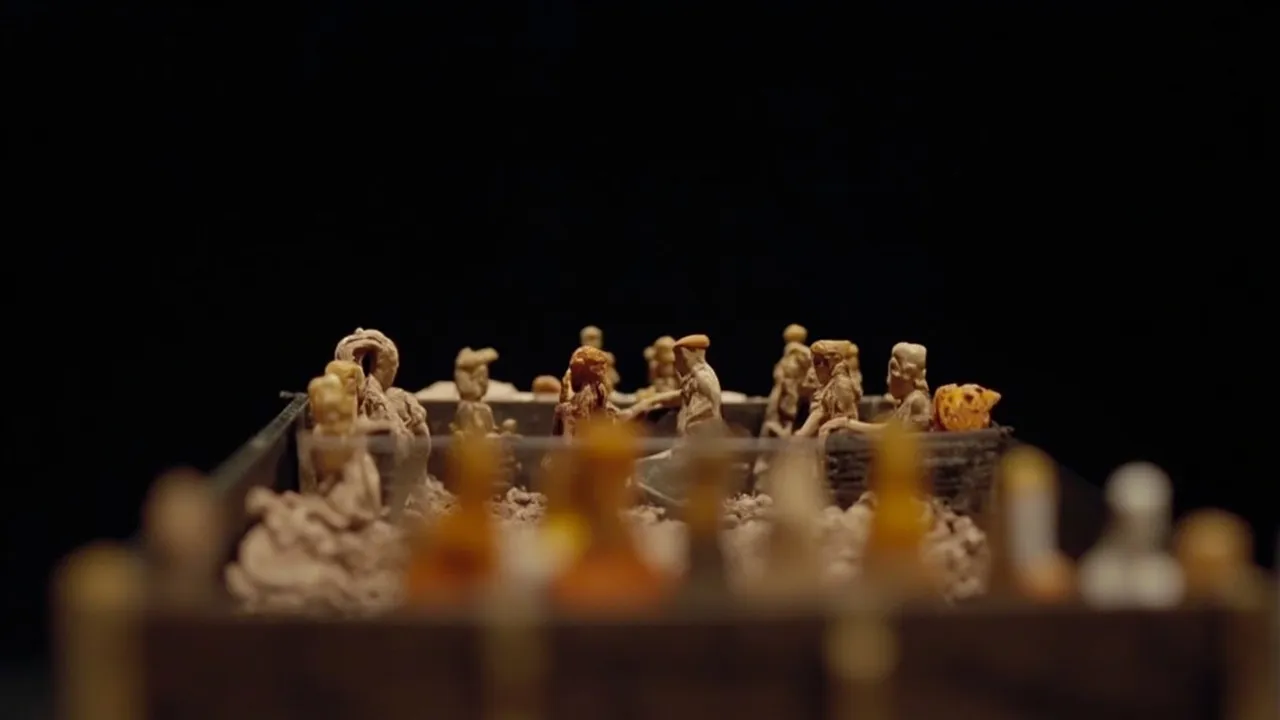
That's where ushabti come in. These little figurines were like magical servants for the dead. The idea was that when the god of the underworld called you to work, your army of miniature workers would spring to life and do it for you. Dreamy, right?
Now, most people might have had a handful of these. Maybe a dozen or two if they were fancy. But at this tomb in Quesna? They found 560 of them.
Five hundred and sixty.
That's not an army—that's a small corporation.
Where Did This Happen?
The necropolis of Quesna sits in Egypt's central Nile Delta region, and it's honestly been somewhat of an archaeological goldmine since they first stumbled upon it back in 1991. But this latest discovery? This is something else entirely.
What they found was a series of connected tombs forming an organized architectural plan—kind of like a small apartment complex, but for dead people. There was a main hall with several rooms branching off, and while many of the ceilings had collapsed over the centuries, the entrances remained surprisingly intact.
Inside, they discovered human burials in various states of preservation, surrounded by artifacts representing centuries of funerary traditions. We're talking about a time period spanning from around 664 B.C.E. all the way through the Greco-Roman period, which ended around 641 C.E. That's over a thousand years of people being buried in this exact spot.
The Figurines Themselves
Here's where things get really interesting. Each of those 560 ushabti varied in size and shape, but they were all crafted in that traditional Egyptian style honoring Osiris—the god of the afterlife. Some of them even carried texts copied from the Book of the Dead, which was basically a ancient Egyptian instruction manual for the afterlife filled with spells to protect the deceased.
These weren't mass-produced cookie-cutter items either. Each one had its own character, its own little details. You can imagine some ancient artisan spending weeks carefully crafting these, giving each one a bit of personality.
But Wait, There's More!
Of course, the ushabti weren't alone. The archaeologists also found statues made of semi-precious stones—things like finger amulets, Eye of Horus amulets (you've definitely seen that symbol before), and Knot of Isis amulets. There were also figurines of various Egyptian deities associated with protection, rebirth, and resurrection.
The pottery collection alone would make any museum curator weep with joy. We're talking plates, vessels, jars, storage containers, and even a couple of oil lamps. One ceramic jar still had residues inside that experts think might be mummification materials. How cool is that?
The Plot Thickens: An Ancient Mystery
Now here's the part that really got me. In one of the burial chambers, they found plates placed under the arm of one of the deceased, with another plate positioned between their thighs.
What?
Yeah, I had the same reaction. Nobody currently understands what this custom was about. Was it symbolic? Ritualistic? Some kind of ancient Egyptian chess game we don't know about? (Okay, probably not that last one.)
But this is exactly what makes archaeology so thrilling, right? We think we understand these ancient civilizations, and then they throw us a curveball like this that we simply can't explain.
A Window Into Ancient Trade
Perhaps my favorite detail? One of the ceramic pieces they discovered came from the Greek island of Rhodes. Not only that, but the vessel's handle bore the maker's name.
Let that sink in for a moment.
This means that thousands of years ago, there was trade happening between Egypt and Mediterranean communities. Someone in Egypt owned (or was buried with) a fancy imported jar with a recognizable maker's mark. It's a small detail, but it connects us directly to the daily lives of people who lived over two thousand years ago.
Why Does This Matter?
Sherif Fathi, the Minister of Tourism and Antiquities, called this one of the most important tombs in the central Delta region. And honestly? I think he's right. The value here isn't just in the sheer number of objects, but in what they tell us about cultural and economic practices during these periods.
For so long, we've focused on pharaohs and royal tombs—the big, flashy discoveries that grab headlines. But this necropolis is considered one of the most significant non-royal burial sites. These were everyday Egyptians (well-to-do ones, certainly, given all these goods), and their tombs give us a glimpse into how regular people lived, died, and imagined their journey to the afterlife.
It's a reminder that history isn't just about kings and conquerors. It's about all the millions of people in between who lived full lives and left behind little clues for us to discover thousands of years later.
What Would Your Ushabti Army Look Like?
Honestly, this discovery got me thinking. If you were going to be buried with 560 workers, what would you choose?
accountants? personal chefs? someone to handle your inbox?
The ancient Egyptians were onto something with this whole "outsourcing your chores for eternity" concept. I think we could learn a thing or two.
But in all seriousness, every time we dig up another piece of this puzzle, we get a little more insight into one of the most fascinating civilizations in human history. And honestly? I can't wait to see what they discover next.