
Blog post with markdown formatting
Wait, Are Great White Sharks Hiding in the Mediterranean? One Tiny Discovery Has Scientists Excited
Okay, I have to admit—I didn't expect to get excited about a shark story that starts with "fishermen accidentally caught something." But hear me out, because this is genuinely cool.
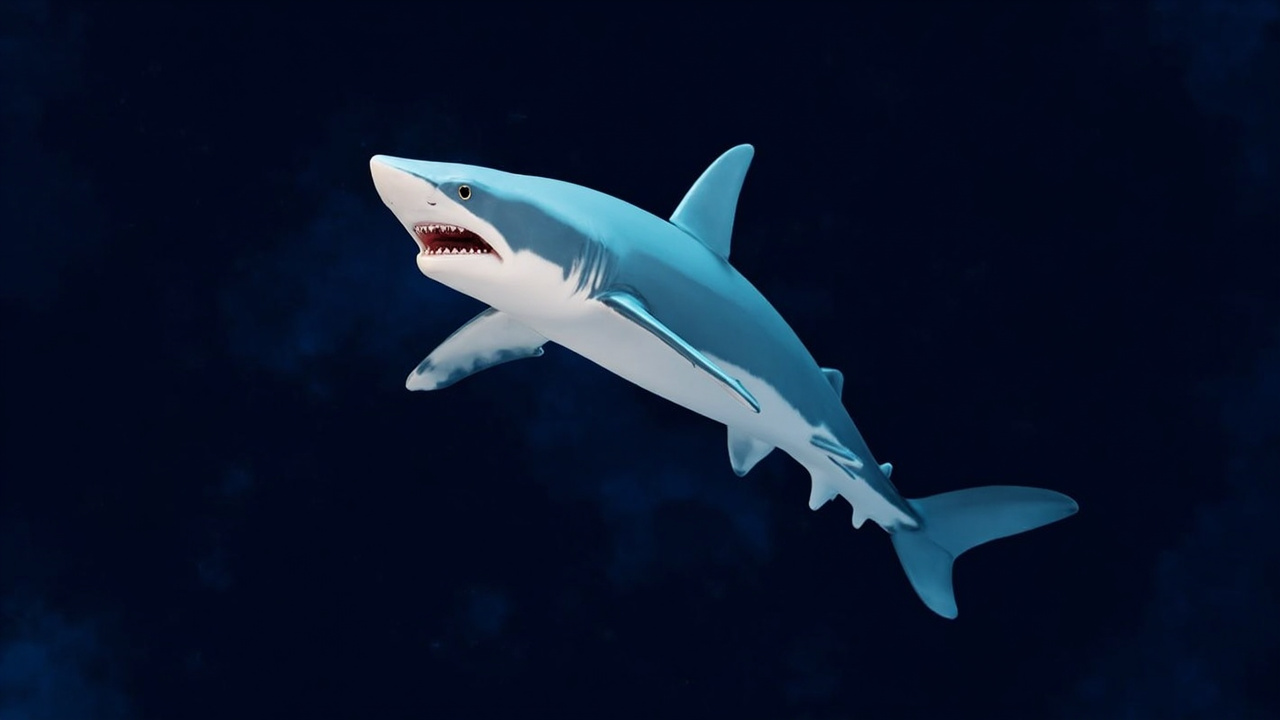
Back in April 2023, off the coast of Spain, some local fishermen pulled up their nets and found something unexpected: a juvenile great white shark. We're talking about 7 feet long, roughly 180 pounds—not exactly small, but definitely a youngster in the great white world.
And here's the thing: great white sharks are super rare in this part of the Mediterranean. Like, barely-ever-seen rare. So rare that scientists have started calling them "ghost" sharks. Not because they're spooky (though, okay, great whites do have a reputation), but because they're basically invisible to us despite still being out there.
Why This One Little Shark Is a Big Deal
Now, you might be thinking—"So they found a shark. Big whoop."
But here's why scientists are paying attention: this was a young shark. And that's actually kind of a big deal.
Dr. José Carlos Báez, who led the research team studying this catch, explained it better than I can: finding juvenile great whites raises a fascinating question. Are these sharks just passing through the Mediterranean? Or could they actually be reproducing there?
I don't know about you, but I find that possibility pretty mind-blowing. We're talking about one of the ocean's most famous predators potentially having secret nursery grounds in the Mediterranean that we've somehow missed for over a century and a half.
The researchers went back through records dating all the way to 1862. That's right—160 years of documented sightings. And you know what they found? Great whites have been showing up in these waters the whole time, just in incredibly small numbers. They never disappeared. They were just... hiding.
The "Ghost Population" Mystery
Think about how strange this is. Great white sharks are everywhere in our cultural imagination—Jaws, documentaries, viral videos. But in one of the most heavily traveled and studied seas in the world (the Mediterranean sees tons of fishing, shipping, and tourism), these animals have somehow stayed under the radar for generations.
Scientists call this a "ghost population" because the sharks seem to persist while remaining almost completely out of sight. It's like they're playing the world's longest game of hide-and-seek—and winning.
This makes studying them incredibly difficult. How do you protect an animal you can barely find?
Let's Talk About That Reputation
Okay, real talk for a second. When most people hear "great white shark," they probably think of Jaws. You know, terrifying, menacing ocean monsters.
But Dr. Báez made a point that I found really interesting. He quoted H.P. Lovecraft: "The oldest and strongest emotion of mankind is fear, and the oldest and strongest kind of fear is fear of the unknown."
I love this framing because it's so true. We've built up these massive, scary narratives around great whites when the reality is far more nuanced. These are intelligent, complex animals that play crucial roles in ocean ecosystems—and we're still so ignorant about them that a single young shark can spark a major scientific investigation.
Research like this helps replace myths with understanding. And honestly? I think understanding makes the ocean a more fascinating place, not a scarier one.
Why Great Whites Actually Matter
Here's something that blew my mind when I read through this study:
Great white sharks aren't just cool—they're ecologically essential. As apex predators, they sit at the top of the food chain and help keep marine ecosystems balanced. They influence populations of other species just by existing and doing their thing.
But it gets even cooler. These sharks are basically ocean delivery trucks for nutrients. Because they're highly migratory and travel across vast distances, they move energy and nutrients around in ways that affect ecosystems far from where they actually feed.
And get this: when a great white dies and sinks to the ocean floor, its body creates a massive pulse of nourishment for deep-sea communities. Talk about making an impact even after you're gone!
Dr. Báez put it beautifully: they're "nature's scavengers" that "keep ecosystems clean."
What Happens Next?
So where does this leave us? Well, the discovery of this one young shark has given scientists a lot to think about. The plan now is to combine those historical records with modern tracking technology—satellite tags, genetic studies, the works—to finally get a clearer picture of what's actually happening in these waters.
Long-term monitoring programs will be key. Every confirmed sighting adds another piece to the puzzle.
For now, the Mediterranean great white mystery remains... well, mysterious. But mysterious isn't the same as hopeless. Every so often, a young shark swims into the wrong net at exactly the right time, and suddenly we have new clues.
And personally? I love that in 2023, there's still so much we don't know about our own planet. It reminds me that exploration isn't just for space—we've got entire worlds in our oceans that we're only beginning to understand.
Maybe that's the real lesson here: even the most famous animals on Earth can still surprise us.
Curious about ocean science and marine conservation? Stay tuned for more stories from the deep.