
So Here's the Plot Twist Nobody Saw Coming
If you've been following the Ozempic craze (and let's be honest, who hasn't?), you probably know the basics by now. These medications — semaglutide, to be precise — help people lose weight by mimicking a hormone that tells your brain you're full. Pretty cool, right?
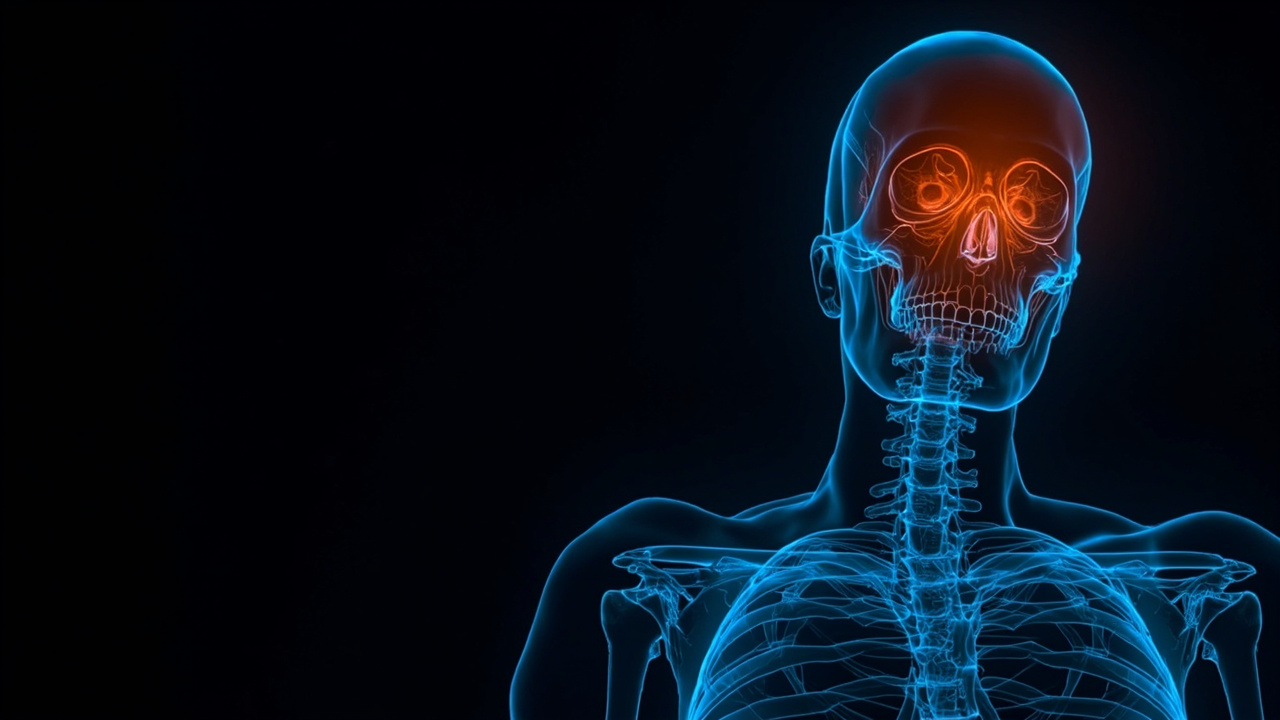
But here's what I find absolutely fascinating: researchers have been worried that all that weight loss might come with a downside for bone health. Makes sense on paper — when you lose weight quickly, especially a lot of it, your bones can sometimes get a little... well, weaker. It's a known concern with many weight-loss approaches.
So you can imagine the surprise when a brand new study found that semaglutide users actually had fewer bone fractures compared to people on other weight-loss medications. Not just a little fewer — we're talking about a 15% reduction in fracture risk.
15%!
That's not nothing, folks. That's the kind of number that makes researchers do a double-take and start digging deeper.
What Did the Study Actually Look At?
Let me break down what these researchers did, because it's pretty interesting methodology. They looked at two groups of people with type 2 diabetes:
- 26,324 patients who took semaglutide (that's the stuff in Ozempic, Wegovy, and Rybelsus)
- 33,555 patients who took other weight-loss medications like dulaglutide, phentermine/topiramate, or bupropion/naltrexone
Both groups lost weight, but the semaglutide group lost more — which makes that lower fracture rate even more surprising. You'd think more weight loss = more risk, but apparently that's not what happened here.
Over the study period, semaglutide users experienced 794 fractures total. The comparison group? 1,045. That's a meaningful difference when you're talking about real people's lives and mobility.
Why Is This Such a Big Deal?
Here's my take: we've spent years worrying about the downsides of rapid weight loss on bones. This study suggests that maybe — just maybe — the story is more complicated than we thought.
Dr. Jairo Noreña, one of the researchers behind the study, put it well: "Bone fractures are painful, expensive and can seriously affect quality of life — especially as people get older." And he's absolutely right. A hip fracture in an elderly person isn't just a medical event — it can be life-changing, sometimes life-ending.
So if a medication that's already helping people lose weight and manage diabetes also happens to protect their bones? That's a pretty big deal.
What Could Be Going On?
Now, here's where I get to speculate a little — because the researchers are being careful not to overclaim. They found an association, not necessarily a cause-and-effect relationship. More studies are needed to figure out exactly why this protection seems to exist.
But here's my theory: it might not just be about the weight loss itself. When you're on semaglutide and your blood sugar is better controlled, your whole body functions differently. Inflammation decreases. Metabolic health improves. These things might positively influence bone remodeling in ways we're only beginning to understand.
There's also the possibility that the specific way semaglutide works — the gradual, sustained approach to appetite reduction — creates a different physiological environment than the crash diets of yesteryear.
The Bottom Line
Is this reason to start (or continue) taking Ozempic? Well, that's a conversation for you and your doctor. These medications aren't right for everyone, and they come with their own set of considerations and potential side effects.
But as someone who loves following medical science, I find this kind of unexpected discovery absolutely thrilling. We went in expecting to confirm a risk and came out with evidence of a potential benefit instead. That's science working the way it's supposed to — asking questions, challenging assumptions, and following the data wherever it leads.
Dr. Noreña said it best: this is "an important early step" toward understanding the full picture. More research is coming, and I for one am excited to see where it leads.
In the meantime, if you're on a weight-loss journey and your doctor mentions bone health monitoring, maybe take that advice a little more seriously now. Turns out, protecting your bones might be part of the package deal you didn't know you were getting.